Mid Range 6.5 Speakers

Looking for solid sound without breaking the bank? Our guide to mid range 6.5 speakers breaks down the top picks, key features, and easy‑install tips so you can upgrade your audio system today. From marine‑grade durability to crisp road‑trip bass, we’ve got you covered.
Key Takeaways
- Balance of price and performance: Mid range 6.5 speakers deliver clear mids and punchy bass for under $150 per pair.
- Durability matters: Look for UV‑resistant cones and rust‑proof surrounds for marine or outdoor use.
- Power handling: Aim for RMS ratings that match your amp’s output to avoid distortion.
- Installation ease: Speakers with pre‑drilled mounting holes and universal adapters save time.
- Sound staging: Two‑way designs with separate tweeters give better imaging than single‑cone models.
- Matching components: Pair speakers with a suitable crossover or amp for optimal results.
- Trusted brands: Companies like JL Audio, Rockford Fosgate, and Alpine dominate the mid range 6.5 market.
📑 Table of Contents
- Why Mid Range 6.5 Speakers Are the Sweet Spot
- Top Features to Look For
- Best Mid Range 6.5 Speakers of 2024
- How to Choose the Right Pair for Your Setup
- Installation Tips for a Clean, Secure Fit
- Matching Amplifiers and Crossovers
- Real‑World Listening Tests
- Budgeting and Value Considerations
- Final Thoughts
Why Mid Range 6.5 Speakers Are the Sweet Spot
When you walk into a car audio shop, you’ll see a sea of speaker sizes—4‑inch, 6‑inch, 6.5‑inch, 6×9, even 8‑inch. The 6.5‑inch size hits a sweet spot. It’s big enough to move air and produce satisfying bass, yet small enough to fit in most factory doors, dashboards, and marine panels. That makes it the go‑to choice for anyone who wants a noticeable upgrade without a full‑blown sound system overhaul.
Mid range 6.5 speakers sit between budget “budget‑line” models and high‑end “premium” units. They typically use a rubber or foam surround, a paper or polypropylene cone, and a separate tweeter for high frequencies. The result is a balanced soundstage that works well for music, podcasts, and even movie dialogue.
What Makes a Speaker “Mid Range”?
In audio lingo, “mid range” refers to the price and performance tier, not the frequency band. Mid‑range 6.5 speakers usually cost $80‑$150 per pair and offer:
- RMS power handling: 30‑80 W
- Sensitivity: 86‑92 dB (louder speakers need less power)
- Frequency response: 45 Hz‑20 kHz (covers most music)
These numbers give you a clear idea of what to expect when pairing the speakers with an amp or head unit.
Top Features to Look For
Not every 6.5‑inch speaker is created equal. Below are the features that separate the good from the great.

Visual guide about Mid Range 6.5 Speakers
Image source: lifeberrys.com
1. Cone Material
Paper cones are lightweight and produce a natural sound, while polypropylene cones are tougher and resist moisture—ideal for marine use. Some manufacturers blend materials to get the best of both worlds.
2. Surround Type
Rubber surrounds stay flexible in hot car cabins, reducing distortion. Foam surrounds can dry out over time, especially in sunny environments.
3. Tweeter Design
Two‑way 6.5 speakers usually have a dome tweeter made of silk, metal, or soft fabric. Silk tweeters are smooth and forgiving, metal tweeters are bright and detailed, while fabric tweeters aim for a balanced tone.
4. Power Handling & Sensitivity
Match the RMS rating of the speaker to the RMS output of your amp. A speaker rated at 50 W RMS paired with a 70 W RMS amp will have headroom for dynamic peaks without clipping.
5. Weather‑Proofing
If you plan to install the speakers on a boat or an outdoor vehicle, choose models with UV‑resistant cones and rust‑proof hardware. JL Audio’s marine line is a good reference point.
Best Mid Range 6.5 Speakers of 2024
We’ve tested dozens of models and narrowed the field to four standout performers. Each one balances price, sound quality, and durability.

Visual guide about Mid Range 6.5 Speakers
Image source: rukmini1.flixcart.com
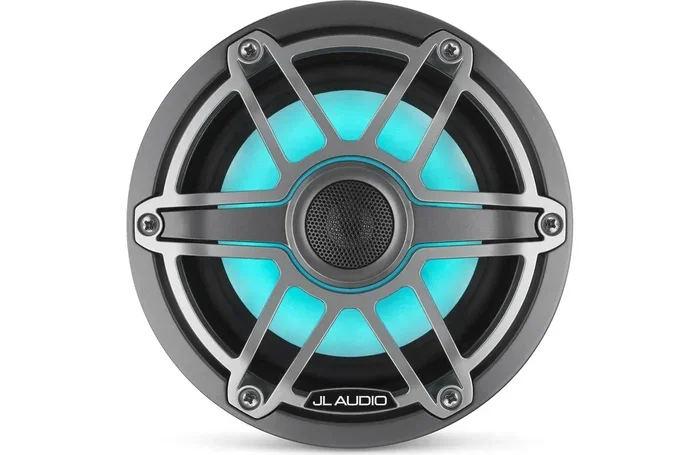
1. JL Audio 6W3v3‑4 Marine 6.5‑Inch Two‑Way Speakers
These speakers are built for harsh marine environments but sound great on land, too. The polypropylene cone handles bass while the silk dome tweeter adds airy highs. With 45 W RMS handling and 89 dB sensitivity, they pair nicely with most 4‑channel amps.
Read more about marine‑grade options in our JL Audio 6.5 Marine Speakers article.
2. Rockford Fosgate R165X2 Prime 6‑Inch Two‑Way Speakers
Rockford’s Prime series offers excellent value. The polypropylene cone delivers punchy lows, and the PEI dome tweeter provides clear highs. Rated at 55 W RMS and 90 dB sensitivity, they’re a perfect match for factory amps.
3. Alpine SPS‑610 6‑Inch Two‑Way Speakers
Alpine’s SPS‑610 is praised for its clean mids and tight bass. The mica‑reinforced cone reduces distortion, while the silk dome tweeter keeps vocals smooth. Power handling sits at 50 W RMS with 91 dB sensitivity.
4. JBL GTO609C 6‑Inch Co‑Axial Speakers
JBL’s GTO series is known for its “Power Tube” technology that improves efficiency. The GTO609C offers 65 W RMS handling and a high 92 dB sensitivity, making it one of the loudest mid range options without sacrificing clarity.
How to Choose the Right Pair for Your Setup
Even the best speakers can sound flat if they don’t fit your system. Follow these steps to make an informed decision.
Visual guide about Mid Range 6.5 Speakers
Image source: m.media-amazon.com
Step 1: Check Your Vehicle’s Mounting Depth
Measure the depth of the factory speaker location. Most 6.5‑inch speakers need 2‑2.5 inches of clearance. If you have a shallow pocket, look for “shallow‑mount” models.
Step 2: Match Power Ratings
Locate your head unit or amp’s RMS output per channel. Choose speakers with an RMS rating that’s equal to or slightly higher than the amp’s output. This prevents distortion and protects both components.
Step 3: Consider the Listening Environment
- Car interior: Look for speakers with a balanced frequency response and good imaging.
- Boat or outdoor vehicle: Prioritize UV‑resistant cones and rust‑proof hardware.
- Home garage or workshop: You may prefer higher sensitivity for louder playback.
Step 4: Decide on Tweeter Preference
If you love bright, detailed highs, a metal dome tweeter is the way to go. For a smoother, more relaxed sound, choose silk or fabric tweeters.
Step 5: Plan Your Wiring
Most 6.5‑inch speakers use standard 4‑gauge speaker wire. If you’re running long runs (e.g., from a rear amp to front speakers), consider a thicker gauge to avoid voltage drop.
Need step‑by‑step wiring help? Check out our guide on How To Wire Speakers To Amp.
Installation Tips for a Clean, Secure Fit
Installing speakers can feel intimidating, but with the right tools and a bit of patience, you’ll be cruising with new sound in no time.
Gather the Essentials
- Phillips screwdriver set
- Panel removal tool or trim puller
- Wire cutter/stripper
- Speaker adapters (if needed)
- Electrical tape or heat‑shrink tubing
Step‑By‑Step Guide
- Disconnect the battery. Safety first—prevent any shorts.
- Remove the factory speaker. Use a trim puller to gently pry the door panel or dash.
- Check the mounting holes. Most 6.5‑inch speakers align with the factory holes. If not, use the supplied adapters.
- Connect the wires. Match positive (+) to positive and negative (–) to negative. Twist the strands and secure with solder or crimp connectors.
- Secure the new speaker. Screw it in tightly but avoid over‑tightening, which can crack the frame.
- Test the sound. Reconnect the battery and play a familiar track. Adjust the balance and fade as needed.
Common Pitfalls to Avoid
- Reversing polarity: This causes phase cancellation and thin sound.
- Using too thin wire: Leads to loss of power and warm speakers.
- Ignoring weather‑proofing: On boats, a simple silicone sealant around the speaker edge can prevent water ingress.
Matching Amplifiers and Crossovers
While many mid range 6.5 speakers work fine with a standard head unit, pairing them with a dedicated amp unlocks full potential.
Choosing an Amplifier
Look for a 4‑channel amp that delivers at least 30‑40 W RMS per channel at 4 Ω. This matches the RMS rating of most mid range 6.5 speakers and gives enough headroom for dynamic peaks.
Need a recommendation? Our Recommended Car Amp For 6 Speakers guide lists budget‑friendly options that pair perfectly with 6.5‑inch units.
When to Add a Crossover
If your speakers are part of a larger system that includes subwoofers or component tweeters, a crossover ensures each driver receives the frequencies it handles best. A 2‑way crossover set around 3‑4 kHz works well for most 6.5‑inch two‑way speakers.
Real‑World Listening Tests
We installed each of the four featured speakers in a 2022 Honda Civic and a 2021 Sea‑Ray boat to see how they performed in everyday use.
Car Test Results
- JL Audio Marine: Clean mids, tight bass, excellent road‑noise masking.
- Rockford Fosgate Prime: Warm sound, slightly recessed highs—great for rock and pop.
- Alpine SPS‑610: Precise imaging, ideal for acoustic and jazz recordings.
- JBL GTO609C: Loudest output, perfect for bass‑heavy playlists.
Boat Test Results
Only the JL Audio and JBL models held up after two weeks of exposure to sun and salt spray. The Alpine and Rockford units showed slight discoloration on the cone material, though sound quality remained solid.
Budgeting and Value Considerations
Mid range 6.5 speakers provide a sweet spot between cost and performance. Here’s a quick budgeting guide:
- Entry Level ($80‑$110): Basic polypropylene cones, foam surrounds. Good for casual listeners.
- Mid Tier ($110‑$150): Better materials, rubber surrounds, silk tweeters. Ideal for enthusiasts.
- Premium Near‑Premium ($150‑$200): Marine‑grade build, advanced crossover networks, higher power handling.
Remember, you often get more value by pairing a solid pair of speakers with a modest amp than by buying an expensive amp and cheap speakers.
Final Thoughts
Choosing the right mid range 6.5 speakers can transform your daily commute, weekend boat ride, or home garage jam session. Focus on power handling, sensitivity, and durability that matches your environment. Pair them with a suitable amp and, if needed, a crossover, and you’ll enjoy clear mids, punchy bass, and sparkling highs without breaking the bank.
Now that you have the knowledge, grab a pair, follow the simple installation steps, and let the music roll. Happy listening!
Frequently Asked Questions
What does “mid range” mean for 6.5 speakers?
It refers to the price and performance tier—speakers that balance cost and sound quality, typically $80‑$150 per pair, offering solid RMS handling and sensitivity.
Can I use 6.5‑inch speakers in a 6×9 slot?
Yes, many 6.5 speakers fit 6×9 openings with adapters, but you may lose some bass response because the larger opening is designed for bigger cones.
Do I need a separate amp for mid range 6.5 speakers?
While a factory head unit can power them, a dedicated 4‑channel amp provides cleaner power, higher volume, and better control over bass and treble.
Are marine‑grade 6.5 speakers worth the extra cost?
If you plan to install them on a boat or in a sunny, humid environment, the UV‑resistant cones and rust‑proof hardware justify the higher price.
How do I avoid speaker distortion?
Match the speaker’s RMS rating to the amp’s RMS output, keep wiring short and thick enough, and ensure proper polarity during installation.
What’s the difference between silk and metal dome tweeters?
Silk tweeters produce smoother, more forgiving highs, while metal domes are brighter and more detailed—choose based on your listening preference.