Optimal Height for Surround Speakers
Finding the optimal height for surround speakers is the secret to unlocking true cinematic immersion in your living room. When positioned correctly, your audio system creates a realistic soundstage that places you right inside the action. This guide breaks down exact measurements, room considerations, and simple tricks to get perfect placement every single time. You will learn how ear-level alignment, seating distance, and speaker type work together to deliver crisp, balanced sound that feels effortless.
Getting your home theater right starts with one simple truth: optimal height for surround speakers makes or breaks the entire experience. You can buy the most expensive speakers on the market, but if they sit too high or too low, the sound will feel flat and disconnected. Proper height turns a good system into a immersive one. It pulls you into the scene and makes every explosion, whisper, and musical cue feel natural.
Most people guess the placement and hope for the best. That approach usually leads to muddy dialogue, weak side imaging, and a front stage that steals all the attention. The good news is that you do not need a degree in audio engineering to fix this. You just need a tape measure, a clear understanding of your seating position, and a few proven guidelines. Let us walk through exactly how to find the right spot for your room.
Key Takeaways
- Primary Rule: The optimal height for surround speakers usually sits just above ear level when seated, typically 2 to 3 feet higher.
- Seating Matters: Your main listening position dictates the target height, so measure from your head while relaxed in your favorite chair.
- Speaker Type Counts: Bookshelf, wall-mounted, and Dolby Atmos height modules each require slightly different placement strategies.
- Room Acoustics Change Everything: Hard surfaces, ceiling height, and furniture layout can shift the ideal position by several inches.
- Angle and Distance Matter: Proper toe-in and spacing prevent dead zones and keep dialogue clear without overwhelming the front stage.
- Test Before You Drill: Use temporary stands or removable mounts to audition positions before making permanent changes.
- Small Adjustments Yield Big Results: Moving a speaker up or down by just 4 to 6 inches can dramatically improve imaging and envelopment.
📑 Table of Contents
- The Golden Rule for Optimal Height for Surround Speakers
- How Room Layout and Furniture Change the Ideal Height
- Bookshelf vs Wall-Mounted vs Atmos Modules
- Measuring and Setting the Right Height Step by Step
- Common Mistakes That Ruin Surround Speaker Height
- Quick Tips for Fine-Tuning Your Setup
- Expert Insights on Height and Imaging
- Key Takeaways for Optimal Height for Surround Speakers
The Golden Rule for Optimal Height for Surround Speakers
The starting point for every setup is simple. You want your surround speakers to fire at or just above your ears when you sit in your main listening spot. For most people, that means mounting or placing them roughly two to three feet above seated ear level. This range keeps the sound focused on your head without bouncing too much off the ceiling or floor.
Why Ear Level Is the Baseline
Human hearing is highly directional. Our brains expect sound to arrive from roughly the same height as our ears. When a speaker sits too low, the sound wraps around furniture and loses clarity. When it sits too high, the audio travels over your head and feels distant. Keeping the tweeter near ear level preserves imaging and keeps voices natural.
Adjusting for Different Seating Positions
Not every room has a single perfect chair. Some setups feature a couch, a row of seats, or a recliner that changes your head height. In these cases, aim for the average ear height of your primary viewers. If you watch mostly from a sofa, measure from the cushion height while sitting upright. If you use a dedicated theater chair, measure while leaning back slightly, since that is how you will actually listen.
How Room Layout and Furniture Change the Ideal Height
Your room shape and furniture arrangement play a huge role in speaker placement. A bare room with hard walls and high ceilings behaves very differently from a cozy space filled with rugs, curtains, and bookshelves. The optimal height for surround speakers shifts slightly depending on what surrounds them.

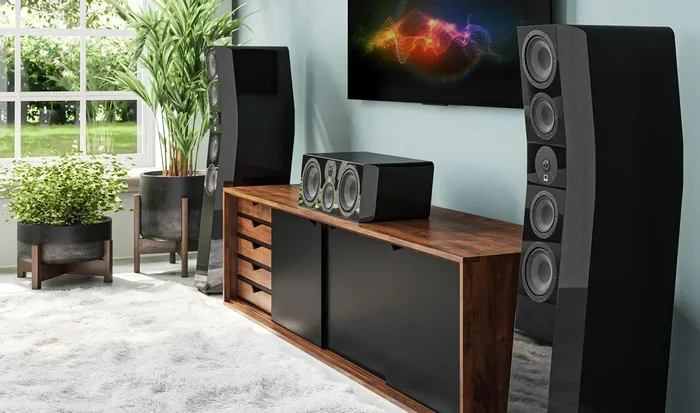
Visual guide about surround speakers home theater
Image source: hometheaterreviewpro.com
Dealing with High Ceilings
High ceilings can make sound feel lost if your speakers sit too low. In rooms with ceilings over nine feet, you may need to raise your surrounds a bit higher to keep the sound anchored to the listening area. The goal is to avoid a gap where audio seems to come from the floor or the far wall instead of from the sides.
Working Around Furniture and Obstacles
Couches, bookshelves, and large plants can block or reflect sound. If a tall backrest sits directly behind your seating position, you may need to raise the speakers slightly to clear the obstruction. Keep the direct path from the driver to your ears as clear as possible. Even a small barrier can soften imaging and reduce the sense of space.
Bookshelf vs Wall-Mounted vs Atmos Modules
Not all speakers live in the same place, and that changes the height strategy. Bookshelf speakers often sit on stands or shelves, while wall-mounted units attach directly to the surface. Dolby Atmos height modules or upward-firing speakers add another layer of planning. Each type has its own sweet spot.
Bookshelf Speakers on Stands
Bookshelf speakers give you the most flexibility because you can move the stands easily. Place them at the target height and angle them slightly toward the listening position. If your stands are too short, consider taller models or adjustable options. You can explore speaker stands for surround speakers to find stable support that keeps your drivers at the right level.
Wall-Mounted Placement
Wall mounting saves floor space and keeps your room tidy. The trick is to avoid placing the speakers too high on the wall, where they lose connection with the seating area. Aim for the upper portion of the side wall, just behind the listening position. If you need a secure and clean setup, check out wall mount for surround speakers to keep everything aligned and out of the way.
Height Modules and Upward-Firing Speakers
Height effects add a vertical layer to your sound. Some systems use dedicated modules that sit on top of your existing speakers or on nearby surfaces. Others use drivers that bounce sound off the ceiling. In both cases, keep the firing path clear and avoid placing them too close to bulky furniture. For a deeper dive into ceiling-based setups, you may want to review height speakers for Dolby Atmos to understand how vertical layers fit into the bigger picture.
Measuring and Setting the Right Height Step by Step
You do not need fancy tools to get this right. A tape measure, a helper, and a few minutes are enough to dial in the placement. Follow this simple process and you will avoid most guesswork.
Step One: Find Your Seated Ear Height
Sit in your main listening position with your head in a relaxed, natural position. Have someone measure from the floor to your ear canal. Write down the number. This is your baseline. If you share the space with multiple viewers, take an average of the most common seating positions.
Step Two: Add the Typical Offset
For standard surround speakers, add two to three feet to your seated ear height. This gives you a practical target range for the tweeter. If your room has a very low ceiling or heavy acoustic treatment, you may stay closer to ear level. If the ceiling is high and reflective, you may lean toward the upper end of that range.
Step Three: Check the Angle and Distance
Height works together with angle and spacing. Once the speaker is at the right height, tilt it slightly inward so the sound points toward your head. Keep the left and right surrounds symmetrical. If you are unsure about the best side positions, read where to put surround speakers for practical guidance on spacing and layout.
Common Mistakes That Ruin Surround Speaker Height
Even experienced listeners make simple errors that weaken the soundstage. Avoiding these pitfalls will save you time and frustration.
Placing Speakers Too High
Mounting surrounds near the ceiling often makes the sound feel detached from the action. The audio travels over your head and loses impact. Keep the drivers within a practical range of your seated ears for a tighter, more natural image.
Ignoring the Listening Position
Some people place speakers based on wall symmetry alone and forget where the seats actually sit. That approach can leave you with sound that feels off-center or weak. Always anchor your placement to the listening position first, then adjust for room balance.
Forgetting About Reflections
Hard surfaces near the speaker can bounce sound in unwanted directions. A glass shelf, a bare wall, or a metal cabinet can change the tone. If you notice harshness or echo, move the speaker slightly, add soft material nearby, or adjust the angle to reduce direct reflections.
Quick Tips for Fine-Tuning Your Setup
Small changes make a big difference. Use these practical tips to polish your placement after the initial setup.
- Mark your target height with painter tape before drilling or mounting anything.
- Use a laser pointer or a straight edge to check that both surrounds sit at the same level.
- Test with familiar content like a movie you know well or a song with clear vocals.
- Move in small steps of one to two inches rather than large jumps.
- Listen for dialogue clarity and side imaging, not just bass or volume.
- Re-check after furniture changes since a new rug or chair can shift the sound.
Expert Insights on Height and Imaging
Seasoned home theater builders often say the best placement is the one you barely notice. When the height is right, the speakers disappear and the sound feels like it comes from the scene itself. That happens when the drivers align with your ears, the angle is gentle, and the room supports the sound rather than fighting it.
Another useful idea is to think in layers. Your front stage handles most of the direct action. Your surrounds handle width and envelopment. Height effects add depth and vertical space. When each layer sits at the right level, the whole system feels cohesive. You do not want one layer sticking out or falling behind the others.
If you are building a setup from scratch, plan the surround height before you finalize your wall mounts or stands. It is much easier to adjust early than to move heavy equipment later. A few minutes of planning now can save hours of trial and error later.
Key Takeaways for Optimal Height for Surround Speakers
Getting the height right is one of the fastest ways to improve your home theater without spending extra money. The optimal height for surround speakers usually sits just above ear level, with small adjustments for room size, ceiling height, and speaker type. Measure from your actual seating position, keep the path to your ears clear, and make tiny changes until the sound feels natural.
Remember that symmetry, angle, and distance work together with height. A perfectly placed speaker can still sound off if it points the wrong way or sits too far forward. Take your time, test with real content, and trust your ears. The right position is the one that makes the room feel alive and the sound feel effortless.
If you want a cleaner look or need to free up floor space, wall mounting can be a great option. Just keep the target height in mind and avoid pushing the speakers too high. With a steady hand and a clear plan, you will get a surround field that feels wide, smooth, and truly immersive.
Frequently Asked Questions
What is the optimal height for surround speakers?
The optimal height for surround speakers usually sits about two to three feet above your seated ear level. This keeps the sound focused on your head and preserves clear imaging. Adjust slightly based on ceiling height and room layout.
Should surround speakers be at ear level or higher?
They should generally sit at or just above ear level when you are seated. A small upward offset helps maintain envelopment without making the sound feel distant. If the speakers go too high, the audio can lose connection with the listening position.
How far above ear level should surround speakers be placed?
A practical range is two to three feet above seated ear level for most rooms. High ceilings or heavy reflections may push you toward the upper end of that range. Low ceilings or soft furnishings may favor a position closer to ear level.
Do wall-mounted surround speakers need a different height?
Wall-mounted surrounds follow the same basic rule, but you must avoid placing them too high on the wall. Aim for the upper side wall behind the listening area so the sound still reaches your ears naturally. Secure mounting also helps keep the angle consistent.
How does seating position affect surround speaker height?
Your main seating position sets the target height, so measure from where you actually sit. If multiple seats are used often, average the ear heights of those spots. A sofa, recliner, or theater chair can all change the ideal placement.
Can the wrong height make surround speakers sound weak?
Yes, poor height can make the sound feel detached, muddy, or overly directional. Speakers placed too low or too high often lose imaging and envelopment. Small height adjustments usually restore clarity and balance quickly.