Speaker Stands for Large Bookshelf Speakers

Speaker stands for large bookshelf speakers are essential for unlocking your audio system’s full potential. Proper placement reduces bass distortion and creates a clearer soundstage. This guide covers everything you need to know about selecting, building, and positioning your stands for the best listening experience.
Key Takeaways
- Optimal Height Matters: Position tweeters at ear level for the most accurate stereo imaging and sound clarity.
- Stability is Key: Heavy and wide bases prevent tipping and minimize vibrations that muddy your audio.
- Isolation Reduces Noise: Decoupling stands from the floor stops energy transfer and keeps bass tight.
- Aesthetics Count: Choose finishes and designs that complement your room decor without sacrificing function.
- DIY Options Exist: Custom builds allow you to match specific speaker weights and dimensions perfectly.
- Room Placement Impacts Sound: Keep stands away from walls to reduce bass boom and improve imaging.
- Safety First: Secure heavy speakers properly to prevent accidents and protect your equipment.
📑 Table of Contents
- Why Speaker Stands for Large Bookshelf Speakers Matter
- Choosing the Right Height for Your Setup
- Stability and Weight Capacity Considerations
- Material and Build Quality Guide
- Isolation and Vibration Control Techniques
- Placement Tips for Optimal Sound Imaging
- DIY vs Pre-Made Speaker Stands
- Budget-Friendly Options That Perform Well
- Safety and Maintenance Tips
- Final Thoughts on Speaker Stands for Large Bookshelf Speakers
Why Speaker Stands for Large Bookshelf Speakers Matter
Sound quality depends heavily on placement. You might own the best high-fidelity speakers on the market. But if they sit on a shelf or desk, you lose performance. Speaker stands for large bookshelf speakers solve this problem. They lift your drivers to the right height. This simple change transforms your listening experience.
Large bookshelf speakers often have bigger cabinets. They contain more internal air volume. This design produces richer bass and louder output. However, these units are heavy. Placing them on unstable surfaces causes vibrations. Those vibrations blur the sound. A dedicated stand isolates the speaker. It keeps the cabinet steady. Your music becomes cleaner and more detailed.
Many audiophiles overlook this upgrade. They spend thousands on amplifiers and sources. Then they put speakers on cheap furniture. This mismatch wastes your investment. Soundstage depth improves when speakers stand alone. Imaging becomes precise. You hear instruments in their correct positions. The difference is immediate and obvious.
The Physics of Speaker Placement
Sound waves behave differently at various heights. High frequencies travel in direct paths. Low frequencies spread more widely. When tweeters sit too low, you miss detail. When woofers sit too high, bass response changes. Ear-level alignment creates the ideal listening triangle. Your head forms the apex. The speakers form the base. This geometry delivers accurate stereo imaging.
Floor reflections also affect sound. Hard surfaces bounce energy back to the listener. This creates comb filtering. Certain frequencies cancel out. The result sounds hollow or thin. Speaker isolation pads help reduce this effect. But stands provide better control. They position speakers away from boundary interference. You get tighter bass and clearer mids.
Common Problems Without Stands
Desk placement causes several issues. First, the surface vibrates with the music. This adds unwanted resonance. Second, the speaker sits too close to your ears. This creates a narrow soundstage. Third, cables tangle behind monitors. This looks messy and risks damage. Speaker stands for large bookshelf speakers eliminate these problems. They provide a clean, stable platform. Your setup looks professional and performs better.
Choosing the Right Height for Your Setup
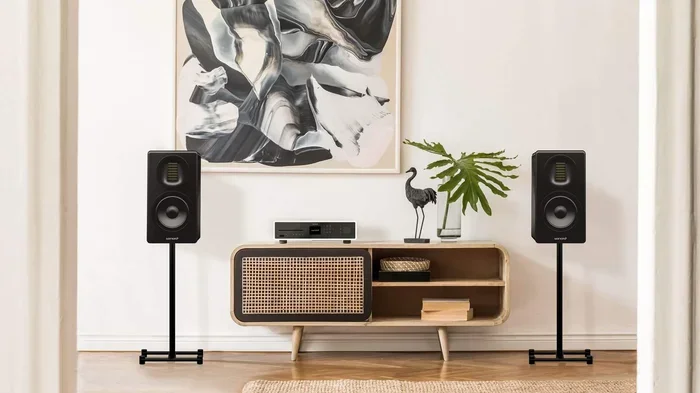
Height determines how you hear your music. The goal is simple. Tweeters should match your ear position. This happens when you sit in your main listening spot. For most people, this means 30 to 48 inches. Speaker stand height depends on your chair or sofa. Measure your seated ear level first. Then select stands that reach that point.
Visual guide about high quality speaker stands
Image source: sonoro.com
Large bookshelf speakers vary in size. Some have tweeters near the top. Others place drivers in the center. Check your speaker design before buying. Measure from the floor to the tweeter. Subtract that from your ear height. The result tells you the stand height you need. This calculation ensures perfect alignment.
Adjustable vs Fixed Height Stands
Fixed stands offer simplicity. They come at one height. You choose the right size once. They often cost less. They also feel more solid. Fewer moving parts mean less wobble. Many audiophiles prefer this design. Heavy-duty speaker stands with fixed heights provide rock-solid support.
Adjustable stands give flexibility. You can change height as your room changes. This helps if you move furniture often. Some models use telescopic poles. Others use stacked tiers. Adjustable options cost more. They may have slight vibration at the joints. But they suit changing setups well. Consider your lifestyle before deciding.
Quick Tip: Measuring Your Ideal Height
Sit in your listening chair. Mark the wall at ear level. Measure from the floor to that mark. Compare this number to stand specifications. Leave a small margin for speaker base thickness. You want the tweeter exactly at ear height. This simple step guarantees optimal sound imaging.
Stability and Weight Capacity Considerations
Large bookshelf speakers are not light. They often weigh 15 to 30 pounds each. Some high-end models exceed 40 pounds. Your stand must support this mass safely. Weight capacity is the most critical spec. Never choose a stand rated below your speaker weight. Always add a safety margin. A good rule is to pick stands rated for double the speaker weight.
Stability also depends on base design. Wide bases resist tipping. Heavy bottoms lower the center of gravity. This matters when you bump the speaker. It also matters if you have pets or kids. Anti-tip speaker stands keep your gear secure. Look for stands with broad footprints. Avoid tall, narrow designs for heavy speakers.
Materials That Affect Stability
Steel stands offer excellent strength. They handle heavy loads without bending. Powder-coated finishes resist rust. Many models include rubber feet. These protect floors and reduce sliding. Metal speaker stands are popular for serious audio setups.
Wood stands provide a classic look. Hardwoods like oak or maple are very strong. They blend well with furniture. However, wood can warp over time. Moisture affects stability. Ensure wood stands have proper sealing. Solid wood speaker stands work well in dry indoor environments.
Composite materials appear in budget options. MDF and plastic blends are common. These work for lighter speakers. They may flex under heavy loads. Check reviews before buying. Budget speaker stands can work if built well. But prioritize strength over savings.
Expert Insight: Testing Stand Stability
Push the stand gently from the side. It should not wobble. Place your speaker on the stand. Press down firmly on the cabinet. The stand should not shift. If you hear creaking, the design is weak. Replace it with a sturdier model. Safety and performance go hand in hand.
Material and Build Quality Guide
Build quality determines longevity. Cheap stands rust, crack, or wobble. Quality stands last for decades. They maintain stability over time. Speaker stand materials fall into three main categories. Each has pros and cons. Your choice depends on budget and style.
Steel construction is the gold standard. Tubular steel frames resist bending. Welded joints add strength. Powder coating protects against scratches. Many premium stands use this design. They look industrial and sleek. Rugged speaker stands suit home theaters and studios.
Wood construction offers warmth. Real wood veneers look elegant. They match living room furniture. Hardwood cores provide strength. Avoid particle board interiors. They weaken with humidity changes. Elegant speaker stands enhance room aesthetics.
Hybrid designs mix materials. Steel frames with wood tops are common. This combines strength with style. Rubber isolation discs often sit between layers. These reduce vibration transfer. Vibration-damping speaker stands improve bass response.
Finish and Aesthetic Options
Black finishes hide dust well. They match most equipment. Silver or chrome adds a modern look. Wood stains bring natural warmth. Some stands include cable management holes. This keeps wires organized. Cable management speaker stands reduce clutter behind your setup.
Choose a finish that matches your room. Dark stands work in media rooms. Light wood suits living spaces. Avoid clashing colors. Your audio gear should blend in. It should not distract from the experience.
Isolation and Vibration Control Techniques
Vibration kills sound clarity. When a speaker moves, the stand moves. This energy travels into the floor. It bounces back as noise. Speaker isolation stops this chain reaction. Good stands include decoupling features. These keep the cabinet isolated from the ground.
Rubber feet are the simplest solution. They absorb high-frequency vibrations. They also protect hardwood floors. However, rubber alone is not enough for heavy speakers. Isolation pads for speakers add extra damping. Place them under the stand feet. This reduces floor transmission significantly.
Sorbet pads offer more advanced isolation. They compress under load. This absorbs low-frequency energy. Many studio monitors use this technology. Home audio stands now include similar designs. Sorbothane speaker pads tighten up bass response.
Building a Isolation Platform
You can improve any stand with simple additions. Add a dense mass layer under the stand. Concrete pavers work well. They add weight and reduce movement. Combine this with rubber mats. The result is a stable, quiet platform. DIY speaker isolation costs very little.
Decouple the stand from the floor completely. Use spring-loaded isolators for advanced setups. These suspend the stand slightly. They block ground vibrations effectively. This method suits critical listening rooms. Professional speaker stands often include these features.
Placement Tips for Optimal Sound Imaging
Where you put your stands matters as much as the stands themselves. Room boundaries affect frequency response. Walls boost bass when speakers sit too close. This creates boominess. Pull speakers away from walls for tighter bass. Speaker placement guide principles apply to stands too.
The listening triangle remains essential. Form an equilateral triangle between your head and the speakers. This distance matches the separation between the speakers. This geometry creates focused imaging. Voices and instruments appear in space. Stereo imaging optimization starts with proper stand positioning.
Distance from Walls and Corners
Keep stands at least 2 feet from rear walls. This reduces bass reinforcement. If your room is small, use 1 foot as a minimum. Corners amplify low frequencies strongly. Avoid placing stands in corners. Room acoustics for speakers improve with strategic placement.
Side walls also affect sound. Reflections from the sides can blur imaging. Use rugs or curtains to absorb excess energy. This creates a cleaner listening field. Your speakers will sound more open. Acoustic treatment for home audio complements good stand placement.
Floor Surface Considerations
Hard floors reflect sound energy. Carpet absorbs some vibrations. Hardwood and tile need isolation pads. These prevent sliding and reduce noise. Floor protection for speaker stands matters for expensive flooring. Use wide rubber pads under the stand base.
Uneven floors cause stability issues. Adjust feet if your stand allows it. Some models include leveling caps. Check that the stand sits flat. A tilted stand changes driver alignment. This affects imaging and balance. Level speaker stands ensure consistent performance.
DIY vs Pre-Made Speaker Stands
You can buy stands or build them. Both paths have merit. Pre-made stands save time. They come tested and rated. You know the weight capacity. Pre-made speaker stands suit most users. They offer convenience and reliability.
DIY stands allow full customization. You control every dimension. You choose the materials. You can match your room decor exactly. DIY speaker stands for bookshelf speakers cost less if you have tools. However, they require effort and skill. Safety is your responsibility.
Comparison Table: DIY vs Pre-Made
| Feature | Pre-Made Stands | DIY Stands |
|---|---|---|
| Cost | Moderate to high | Low to moderate |
| Time | Ready to use | Hours to days |
| Customization | Limited options | Full control |
| Weight Rating | Clearly specified | Depends on build |
| Stability | Tested design | Depends on skill |
| Aesthetics | Standard finishes | Custom finishes |
When to Choose DIY
Build your own stands if you have woodworking skills. Choose this path if you need unusual dimensions. DIY works for unique speaker sizes. You can add custom isolation features. Just ensure your design is strong. Test it with weight before placing speakers. Custom speaker stand plans are available online for reference.
When to Buy Pre-Made
Buy pre-made stands for safety and convenience. This is best for heavy speakers. Choose reputable brands with good reviews. Look for steel construction and wide bases. Quality bookshelf speaker stands save you time and risk. They arrive ready to use. You focus on enjoying music instead of building.
Budget-Friendly Options That Perform Well
You do not need expensive stands for good results. Many affordable options perform excellently. Look for steel construction and rubber feet. These features matter more than price. Affordable speaker stands can deliver solid performance. Focus on function over fancy finishes.
Read user reviews carefully. Check for wobble complaints. Verify weight ratings. Look for brands with warranty support. Best budget speaker stands balance cost and quality. Avoid ultra-cheap plastic models. They flex and vibrate too much.
Value Picks for Serious Listeners
Mid-range stands offer the best value. They use quality materials without premium pricing. You get adjustable heights and good isolation. These suits most home audio setups. Value speaker stands provide excellent performance per dollar.
Consider used stands from reputable brands. Many audiophiles sell gear in great condition. You can find high-end stands at lower prices. Inspect them for damage before buying. Second-hand speaker stands can be smart purchases.
Safety and Maintenance Tips
Secure your speakers properly. Use mounting screws if the stand allows it. This prevents tipping during accidents. Check screws periodically. Tighten them if they loosen. Secure speaker stands protect your investment.
Clean stands regularly. Dust affects finish and stability. Wipe with a dry cloth. Avoid harsh chemicals on wood finishes. Check rubber feet for wear. Replace them if they crack. Speaker stand maintenance keeps your setup looking new.
Common Mistakes to Avoid
Do not place stands on uneven surfaces. This causes instability and poor sound. Do not ignore weight ratings. Overloading stands leads to collapse. Do not skip isolation pads on hard floors. This creates noise and sliding. Speaker stand safety tips prevent accidents and damage.
Avoid placing stands near high traffic areas. Bumps can shift speakers. Keep cords organized and out of walkways. Use cable clips to secure wires. This reduces tripping hazards. Cable management for speaker stands improves safety and looks.
Final Thoughts on Speaker Stands for Large Bookshelf Speakers
Investing in speaker stands for large bookshelf speakers transforms your audio experience. Proper height aligns drivers with your ears. Stability prevents vibrations that muddy sound. Isolation keeps bass tight and clear. Good placement reduces room interference. Your music sounds more detailed and immersive.
Choose stands based on your speaker weight and room layout. Prioritize strength and isolation over aesthetics alone. Measure your listening position carefully. Test stands for stability before placing speakers. Maintain your stands to ensure long-term performance. These steps unlock the full potential of your bookshelf speakers.
Your listening room deserves the best setup. Stands are a simple upgrade with huge rewards. Apply these principles and hear the difference immediately. High-quality speaker stands make every album sound better. Start with the right height. Build from there. Enjoy your music the way it was meant to be heard.
Frequently Asked Questions
What height should speaker stands be for large bookshelf speakers?
The ideal height places your tweeters at ear level when seated. For most listeners, this ranges from 30 to 48 inches. Measure your seated ear height first. Then subtract the distance from the stand base to the tweeter. This calculation gives you the exact stand height you need for accurate stereo imaging.
Can I use the same stands for heavy and light bookshelf speakers?
Yes, but you must check the weight capacity. Stands rated for heavier speakers work fine for lighter ones. Just ensure the base is wide enough to prevent tipping. Lighter speakers may need isolation pads to prevent sliding. Always match the stand strength to your specific speaker weight for safety.
Do speaker stands really improve sound quality?
Absolutely. Stands lift speakers to the correct height and isolate them from surface vibrations. This reduces bass boom and clarifies midrange details. Proper placement also improves stereo imaging and soundstage depth. Many listeners notice an immediate improvement in clarity and focus after adding stands.
What materials are best for speaker stands?
Steel and hardwood are the top choices. Steel offers excellent strength and stability for heavy speakers. Hardwood provides a classic look and solid support in dry indoor spaces. Avoid weak composites for large bookshelf speakers. Look for powder-coated finishes and rubber feet for durability and floor protection.
Should I use isolation pads with my speaker stands?
Isolation pads help reduce vibration transfer to the floor. They are especially useful on hard surfaces like wood or tile. Pads tighten bass response and lower noise transmission. For heavy speakers, combine pads with wide, heavy bases for the best results. This setup keeps your audio clean and your floors safe.
How far from the wall should I place my speaker stands?
Keep stands at least 2 feet away from rear walls to reduce bass reinforcement. If your room is small, 1 foot is the minimum. Avoid corners entirely, as they amplify low frequencies too much. Pulling speakers away from boundaries creates tighter bass and clearer imaging for a more natural sound.