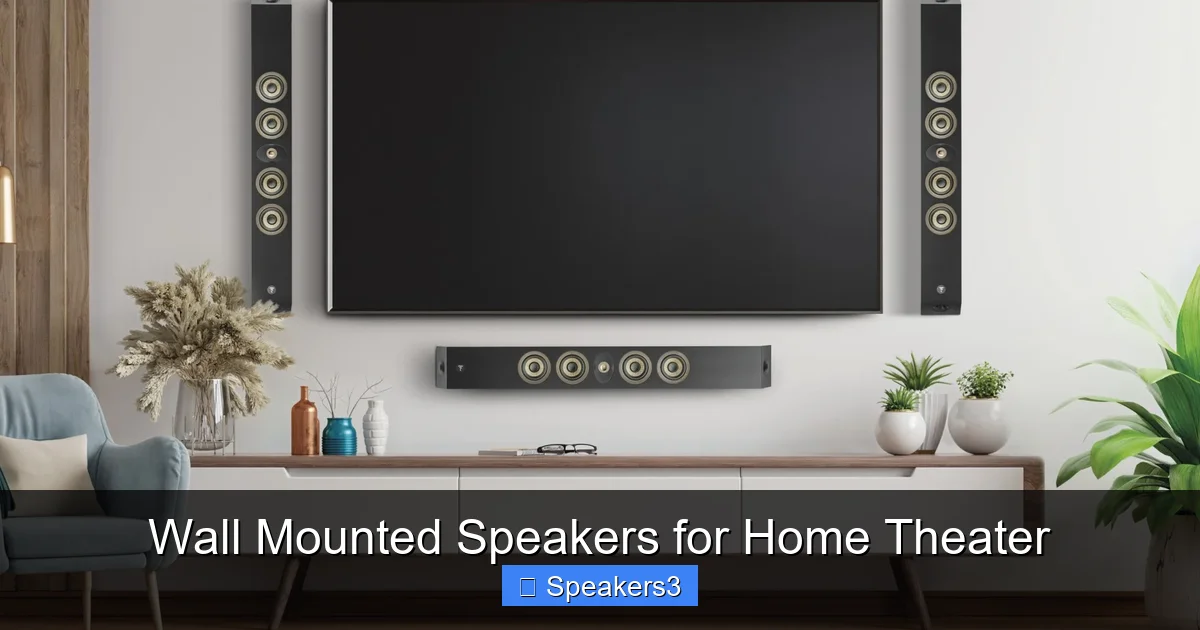
Wall Mounted Speakers for Home Theater
Wall mounted speakers for home theater transform any space into a personal cinema with immersive sound and sleek design. From choosing the right type to perfect placement, this guide gives you practical tips and top recommendations for stunning audio without clutter.
Key Takeaways
- Placement matters: Proper height and angle ensure balanced sound and a true surround experience.
- Choose the right driver size: Larger woofers deliver deeper bass, while smaller tweeters handle crisp highs.
- Match your amp: Power handling should align with your receiver’s output for clean, distortion‑free audio.
- Consider aesthetics: Low‑profile designs blend with décor, and finish options suit any style.
- Installation tips: Use stud finders, proper anchors, and cable management to keep walls clean.
- Future‑proofing: Look for bi‑amping, Bluetooth, or Wi‑Fi modules if you plan to upgrade.
- Budget balance: You don’t need premium prices for great performance; mid‑range models often excel.
📑 Table of Contents
- Introduction: Why Wall Mounted Speakers Are a Game Changer
- 1. Understanding the Types of Wall Mounted Speakers
- 2. How to Choose the Right Wall Mounted Speakers for Your Home Theater
- 3. Installation Guide: From Planning to Perfect Placement
- 4. Top Recommendations: Best Wall Mounted Speakers for Home Theater (2024)
- 5. Enhancing Your Home Theater Experience
- Conclusion: Bring Cinema Home with Confidence
Introduction: Why Wall Mounted Speakers Are a Game Changer
Imagine stepping into your living room and feeling the roar of an action movie without a bulky bookshelf speaker in sight. Wall mounted speakers for home theater give you that cinematic punch while keeping the room tidy and stylish. Because they’re affixed directly to the wall, they free up floor space, reduce visual clutter, and can be angled for optimal sound dispersion.
In this guide we’ll walk through everything you need to know before you buy, how to install them safely, and which models give the best bang for your buck. Whether you’re a first‑time home‑theater builder or upgrading an existing setup, the tips here will help you get movie‑theater quality sound without a major renovation.
1. Understanding the Types of Wall Mounted Speakers
1.1. In‑Wall vs. On‑Wall
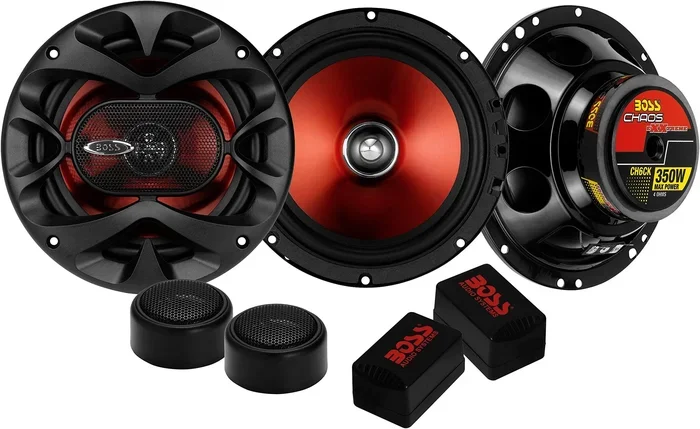
In‑wall speakers sit flush with the drywall. A cutout is made, and the speaker’s front panel becomes part of the wall surface. This creates a clean look but can affect low‑frequency response because the wall limits cabinet volume.

Visual guide about Wall Mounted Speakers for Home Theater
Image source: freepnglogos.com
On‑wall speakers attach to the surface using brackets. They sit a few inches away from the wall, preserving internal air space and often delivering richer bass. On‑wall units are easier to install and replace.
1.2. Two‑Way vs. Three‑Way Designs
Most wall speakers are two‑way: a woofer handles mids and lows, while a tweeter covers highs. For larger rooms or demanding audiophiles, a three‑way model adds a dedicated mid‑range driver, improving clarity across the spectrum. If you’re curious about crossover design, check out our article on 3 Way Crossover For Speakers for deeper insight.
1.3. Powered vs. Passive
Passive speakers require an external amplifier or AV receiver. They give you flexibility to match power to your system. Powered (or active) speakers have built‑in amps, simplifying wiring but limiting upgrade paths. For most home theaters, passive wall mounted speakers paired with a quality AVR deliver the best performance‑to‑price ratio.
2. How to Choose the Right Wall Mounted Speakers for Your Home Theater
2.1. Match Speaker Size to Room Dimensions
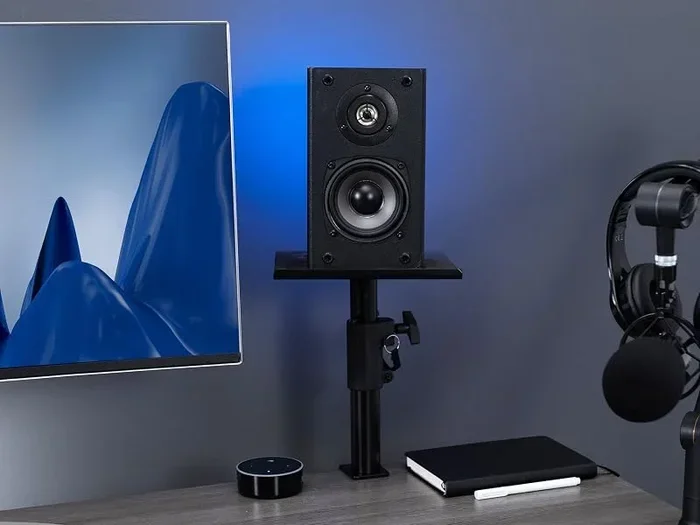
Room size dictates driver diameter. In a small to medium room (10‑15 ft per side), 5‑inch or 6‑inch woofers work well. Larger spaces benefit from 8‑inch or even 10‑inch drivers for deeper bass. Remember that wall placement can limit bass, so you may need a separate subwoofer to fill the low end.

Visual guide about Wall Mounted Speakers for Home Theater
Image source: p0.51img.ca
2.2. Power Handling and Sensitivity
Look for a speaker that can handle at least 80‑100 watts RMS. Sensitivity (measured in dB SPL per watt at 1 m) tells you how loudly the speaker will play with a given power. A rating of 88 dB or higher is ideal for home theater use, ensuring you can reach cinematic levels without over‑driving your amp.
2.3. Frequency Response
A good wall mounted speaker should cover roughly 50 Hz to 20 kHz. Anything lower than 50 Hz will be supplemented by a subwoofer. Pay attention to the “tightness” of the low end – a smooth roll‑off indicates good design.
2.4. Connectivity Options
Most wall speakers use speaker wire, but some newer models offer Bluetooth or Wi‑Fi for a wireless setup. If you plan a multi‑room audio system, look for speakers compatible with Apple AirPlay 2 or Google Cast.
2.5. Aesthetic Considerations
Finish matters. Matte black blends with most home theater décor, while wood veneers can match a traditional living room. Low‑profile grilles keep the look minimal, and some brands even offer custom colors.
3. Installation Guide: From Planning to Perfect Placement
3.1. Tools You’ll Need
- Stud finder
- Drywall saw or keyhole saw (for in‑wall models)
- Drill and appropriate bits
- Level and measuring tape
- Wire fish tape or pull‑string
- Cable clips or raceway for neat wiring
3.2. Choosing the Right Height and Angle
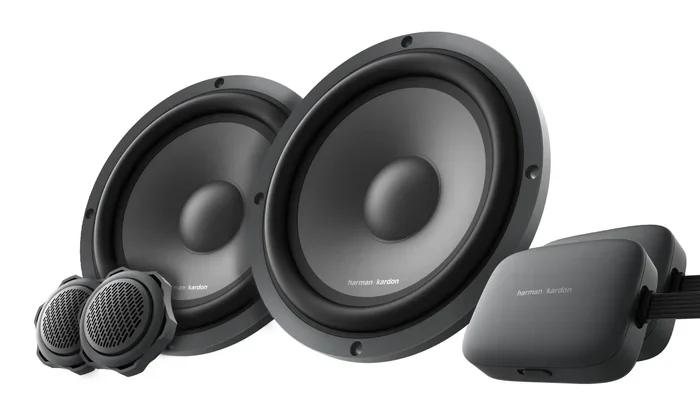
For the best imaging, the tweeter should be at ear level when seated—typically 36‑42 inches from the floor. Angle the speaker slightly outward (10‑15°) to spread sound across the listening area. Use a laser level to mark the exact spot before cutting.
Visual guide about Wall Mounted Speakers for Home Theater
Image source: assets.newatlas.com
3.3. Cutting the Wall (In‑Wall Speakers)
Mark the outline, double‑check stud locations, and cut carefully. Keep a piece of cardboard behind the cut to protect the wall cavity. After placing the speaker, seal the edges with acoustic caulk to reduce vibration.
3.4. Mounting Brackets (On‑Wall Speakers)
Secure the brackets to studs for maximum stability. If studs aren’t aligned, use toggle bolts rated for the speaker’s weight. Tighten all fasteners, then attach the speaker and test for wobble.
3.5. Wiring Tips
Run 14‑gauge speaker wire from your AV receiver to each speaker location. Keep the wire inside the wall cavity for a clean look, or use surface‑mount raceways painted to match the wall. Label each wire pair to avoid confusion during connection.
3.6. Calibration and Fine‑Tuning
After installation, run your AVR’s auto‑calibration (e.g., Audyssey, YPAO). Adjust the speaker distance and level settings manually if needed. Fine‑tune the toe‑in angle until dialogue is clear and surround effects feel enveloping.
4. Top Recommendations: Best Wall Mounted Speakers for Home Theater (2024)
4.1. Budget Pick – Polk Audio RC85i
These 8‑inch in‑wall speakers deliver 85 W RMS, 88 dB sensitivity, and a sleek black grille. Ideal for medium rooms, they pair well with most AVRs and include a built‑in bass‑reflex port for tighter lows.
4.2. Mid‑Range Favorite – Klipsch RP‑504C
Klipsch’s on‑wall model boasts a 5.25‑inch copper‑spun woofer, Tractrix horn tweeter, and 100 W handling. The signature “Klipsch” efficiency (95 dB) means you can drive them hard without a massive amp. Perfect for cinematic action scenes.
4.3. Premium Choice – Bowers & Wilkins CI 800 Series
These high‑end in‑wall speakers feature a 7‑inch carbon‑fiber cone and a diamond‑tweeter, delivering 120 W RMS and a frequency range down to 38 Hz. They require careful installation but reward you with studio‑grade clarity.
4.4. Wireless Option – Sonos Beam Wall‑Mount Kit
If you love simplicity, the Sonos Beam can be wall‑mounted and adds Dolby Atmos support. While not a traditional surround speaker, it works as a compact front channel and integrates with existing Sonos ecosystems.
4.5. Best for Small Spaces – JBL Studio 2
These ultra‑thin on‑wall speakers are only 2.5 inches deep, making them perfect for apartments. Despite the size, they output 80 W RMS and have a smooth, neutral sound signature, ideal for dialogue‑heavy movies.
5. Enhancing Your Home Theater Experience
5.1. Pairing with a Dedicated Subwoofer
Wall speakers often lack deep bass. Adding a powered subwoofer (10‑12 inches) fills the gap and creates the rumble you expect from an action blockbuster. Place the subwoofer near a wall or corner for maximum output.
5.2. Using Speaker Stands for Surround Channels
If you prefer not to mount every speaker, consider a few speaker stands for surround speakers. They’re easy to reposition and keep the front wall free for décor.
5.3. Calibration Software and Room Correction
Modern AVRs include room‑correction tools that measure reflections and adjust EQ automatically. Combine this with a calibrated microphone (like the miniDSP UMIK‑1) for even more precise tuning.
5.4. Future‑Proofing with Bi‑Amping and Smart Features
Some higher‑end wall speakers support bi‑amping, where separate amps drive the woofer and tweeter for cleaner separation. Look for models that also offer firmware updates, ensuring compatibility with new audio formats.
5.5. Maintaining Your Wall Speakers
Dust the grille every few months with a soft brush. If you notice rattling, check the mounting bolts and re‑tighten. For in‑wall units, occasionally reseal the edges with acoustic caulk to maintain isolation.
Conclusion: Bring Cinema Home with Confidence
Wall mounted speakers for home theater give you the perfect blend of style, space‑saving design, and immersive sound. By understanding the different types, matching the right size and power to your room, and following a careful installation process, you can achieve a theater‑like experience without the clutter.
Remember to pair your speakers with a good subwoofer, calibrate your system, and keep an eye on future‑proof features like wireless connectivity or bi‑amping. With the models highlighted above, you have options for every budget and room size. Start planning today, and soon your living room will feel like the best seat in the house.
Frequently Asked Questions
Do I need a separate subwoofer when using wall mounted speakers?
Yes, most wall speakers lack deep bass. Adding a powered subwoofer ensures full‑range sound and the impact you expect from movies.
Can I install in‑wall speakers myself?
Absolutely, as long as you locate studs, cut carefully, and use proper anchors. If you’re uncomfortable cutting drywall, on‑wall models are a safer DIY option.
What is the ideal height for mounting front speakers?
Place the tweeter at ear level when seated, typically 36‑42 inches from the floor. Angle them slightly outward for a wider soundstage.
Are wall mounted speakers compatible with Dolby Atmos?
Standard wall speakers can handle Dolby Atmos height effects if you add upward‑firing modules or dedicated Atmos speakers above the listening area.
How do I hide speaker wires?
Run wires inside the wall cavity, or use surface‑mount raceways painted to match the wall. Cable clips and conduit keep everything tidy.
Do I need a special amplifier for these speakers?
Match the speaker’s power handling (RMS watts) with your AV receiver’s output. Most modern receivers can comfortably drive 80‑120 W RMS speakers.