What Does a Full Range Speaker Mean
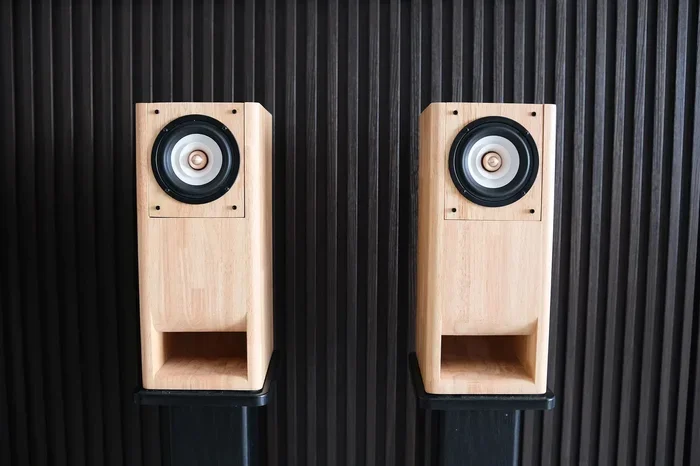
A full range speaker is a speaker designed to reproduce the entire audible frequency spectrum, from deep bass to crisp highs, without needing extra drivers. Understanding what does a full range speaker mean helps you choose better audio equipment for music, movies, and everyday listening. This guide breaks down how full range speakers work, their benefits, and when they are the right choice for your setup.
This is a comprehensive guide about What Does A Full Range Speaker Mean.
Key Takeaways
- Full Range Definition: A full range speaker covers the complete audible frequency spectrum, typically from 20Hz to 20kHz, in a single driver or speaker unit.
- Driver Design Matters: These speakers use specially designed drivers that can handle both low and high frequencies, often with a cone or dome that moves air efficiently across all ranges.
- Simpler Setup: Full range speakers eliminate the need for multiple speakers or complex crossover networks, making them ideal for compact and budget-friendly audio systems.
- Trade-Offs Exist: While convenient, full range speakers may not deliver the same depth in bass or sparkle in treble as multi-driver speaker systems with dedicated woofers and tweeters.
- Best Use Cases: They work great for small rooms, portable speakers, desktop setups, and situations where space or simplicity is a priority.
- Check Frequency Response: Always look at the frequency response specs to understand how wide the range truly is before purchasing.
[FEATURED_IMAGE_PLACEHOLDER]
What Does a Full Range Speaker Mean?
So, what does a full range speaker mean exactly? Simply put, it is a speaker built to cover the widest possible range of sound frequencies in a single unit. Instead of splitting the work between a woofer for bass and a tweeter for highs, a full range driver handles everything on its own.
When you listen to music through a full range speaker, you hear vocals, instruments, and sound effects all coming from one source. This does not mean the sound is perfect in every way, but it does mean you get a surprisingly complete audio picture from a single driver. For many people, this simplicity is exactly what they need.
The concept of full range audio has been around for decades. Early radio speakers and vintage radios used full range drivers because they were practical and affordable. Today, full range speakers still hold a special place in audio design, especially for compact systems and portable devices.
Full range speakers are popular in desktop computers, small Bluetooth speakers, and even some car audio setups. They offer a plug-and-play experience that does not require matching multiple components together. If you have ever wondered why your laptop speaker sounds like it covers all the notes, it is probably because it uses a full range driver.
How Full Range Speakers Work
Understanding how a full range speaker works starts with the driver itself. The driver is the part that moves air to create sound. In a full range design, the driver is engineered to vibrate at both low and high frequencies. This is no small feat, since most drivers are optimized for just one end of the spectrum.
The Role of the Cone and Suspension
A full range driver typically uses a cone that is stiff enough to handle high frequencies but flexible enough to move air for bass. The suspension, which is the flexible ring around the driver, also plays a big role. It allows the cone to move back and forth smoothly across a wide range of pitches.
Some full range speakers use a dome-shaped cone instead of a flat one. Dome drivers tend to reproduce higher frequencies more accurately, which is why they are common in full range speaker designs. The trade-off is that they may not push as much air for deep bass.
Crossover-Free Design
One of the biggest advantages of full range speakers is that they do not need a crossover network. A crossover is an electronic circuit that splits audio signals into different frequency bands and sends them to the right driver. In a multi-way speaker system, the crossover directs bass to the woofer and treble to the tweeter.
With a full range speaker, there is no crossover needed. The single driver receives the entire audio signal and reproduces it as best it can. This makes the setup simpler and reduces potential points of failure. Fewer parts also means less maintenance over time.
Benefits of Full Range Speakers
Full range speakers offer several advantages that make them appealing for a wide range of users. Whether you are building a home audio system or looking for a simple desktop setup, these speakers bring real value to the table.
Simplicity and Ease of Use
The biggest benefit of a full range speaker is simplicity. You plug it in, and it works. There is no need to match a woofer with a tweeter or adjust crossover settings. This makes full range speakers a great choice for beginners and casual listeners who just want good sound without the hassle.
For people who are not audio enthusiasts, this simplicity is a game changer. You do not need to understand speaker specs or frequency response curves to enjoy music from a full range speaker. Just connect and listen.
Compact and Space-Saving
Full range speakers are naturally compact because they only need one driver per unit. This makes them ideal for small desks, dorm rooms, and kitchens. A single full range speaker can fill a small to medium room with surprisingly balanced sound.
If you have ever struggled with fitting a multi-speaker setup into a tight space, a full range speaker solves that problem. They take up minimal room and still deliver a complete audio experience.
Cost Effective
Because full range speakers use fewer components, they tend to be more affordable. You are not paying for extra drivers, crossover circuits, or complex enclosures. This makes them a budget-friendly option for anyone who wants decent sound without a big investment.
You can find solid full range speakers at various price points. Even at the lower end, these speakers often outperform expectations for their cost. They are a smart choice for anyone who values value and simplicity.
Limitations of Full Range Speakers
No speaker is perfect, and full range speakers have their limitations too. Understanding these drawbacks helps you make an informed decision about whether a full range design is right for you.
Limited Bass Depth
Because a single driver has to handle all frequencies, it cannot excel at the extremes. Deep bass requires a large cone that moves a lot of air, while crisp highs need a small, lightweight diaphragm. A full range driver has to compromise between the two.
If you love heavy bass in your music or movies, a full range speaker might leave you wanting more. The bass will be present, but it may lack the punch and depth that a dedicated woofer provides. This is the most common trade-off people notice with full range designs.
Less Detail in Treble
Similarly, full range speakers may not reproduce the highest frequencies with the same sparkle and detail as a dedicated tweeter. The treble can sound smooth and pleasant, but it might lack the crispness that audiophiles prefer.
For casual listening, this difference is often unnoticeable. But if you are a critical listener who pays close attention to high-frequency detail, you may feel that a multi-driver system delivers a more refined sound.
Efficiency and Power Handling
Full range drivers can be less efficient than specialized drivers. This means they may need more power to reach the same volume level as a dedicated woofer or tweeter. In some cases, this can limit how loud a full range speaker can get before distortion sets in.
If you plan to use your speakers at high volumes, check the speaker sensitivity rating. Higher sensitivity means the speaker can get louder with less power, which is especially important for full range designs.
Full Range vs. Multi-Driver Speakers
To truly understand what a full range speaker means, it helps to compare it directly with multi-driver speaker systems. Both designs have their strengths, and the right choice depends on your needs and preferences.
| Feature | Full Range Speaker | Multi-Driver Speaker |
|---|---|---|
| Number of Drivers | One driver per unit | Two or more drivers per unit |
| Frequency Coverage | Wide but with compromises | Broader and more precise |
| Bass Depth | Moderate | Deep with dedicated woofer |
| Treble Detail | Good but smooth | Crisp and detailed with tweeter |
| Setup Complexity | Very simple | Requires crossover matching |
| Size | Compact | Larger due to multiple drivers |
| Cost | Generally lower | Can be significantly higher |
| Best For | Small spaces, casual listening | Audiophile listening, home theaters |
When you compare the two, it is clear that full range speakers shine in simplicity and compactness. Multi-driver systems win on pure audio performance and detail. But for everyday use, a good full range speaker can deliver a surprisingly satisfying experience.
If you are curious about how speaker frequency response affects sound quality, check out our guide on what is a good frequency response for speakers. Understanding frequency response helps you evaluate any speaker, whether it is full range or multi-driver.
Common Uses for Full Range Speakers
Full range speakers are everywhere once you start looking for them. Their versatility and simplicity make them a popular choice across many different settings and applications.
Desktop and Computer Audio
Many desktop speakers and all-in-one PC audio systems use full range drivers. They are perfect for work-from-home setups where you need clear sound for calls, music, and videos. Their compact size fits neatly on a desk without taking up too much space.
Some popular desktop speaker brands rely on full range designs because they offer balanced sound in a small footprint. If you are shopping for a speaker for your laptop or office desk, a full range model is a great place to start.
Portable Bluetooth Speakers
The portable Bluetooth speaker market is dominated by full range designs. Brands like JBL, Anker, and Ultimate Ears use full range drivers to keep their speakers small and lightweight while still delivering enjoyable sound. These speakers are perfect for the beach, the shower, or a backyard gathering.
Because they do not need multiple drivers, portable speakers can be made water-resistant and drop-resistant more easily. The full range design contributes to their durability and portability.
Car Audio and Dashboard Speakers
Many factory car speakers are full range designs. They fit into the compact spaces of a car dashboard and provide adequate sound for everyday driving. Aftermarket full range speakers can upgrade your car audio without requiring a major installation.
If you want to improve your car sound system but do not want to deal with complex speaker installations, a full range replacement speaker is a practical choice. You can learn more about speaker setups and configurations in our article on connecting 4 speakers to a 2 channel amp.
Smart Home and Voice Assistants
Smart speakers like Amazon Echo and Google Nest use full range drivers to deliver voice audio and music. The full range design ensures these compact devices can handle both speech frequencies and music playback. Their small size would not be possible with a multi-driver approach.
How to Choose the Right Full Range Speaker
Not all full range speakers are created equal. When you are shopping, there are a few key specs and features to look for that will help you find the best one for your needs.
Check the Frequency Response Range
The frequency response tells you how low and how high the speaker can go. A typical full range speaker covers from around 60Hz to 20kHz. The wider the range, the more complete the sound. Look for speakers that dip into the lower frequencies without sacrificing the highs.
Keep in mind that the numbers on paper do not tell the whole story. The design of the driver, the enclosure, and the materials all affect real-world performance. Reading reviews and listening in person, when possible, gives you a better picture.
Look at Speaker Sensitivity
Speaker sensitivity measures how efficiently a speaker converts power into sound. Higher sensitivity means louder volume with less power. For full range speakers, a sensitivity rating of 85dB or above is generally good. This is especially important if you plan to use the speaker with a low-power source like a phone or laptop.
Consider the Enclosure Design
The enclosure, or cabinet, of a speaker affects how the sound comes out. Closed-back enclosures provide tighter bass and less sound leakage. Open-back designs offer a wider soundstage but may bleed sound into the room. The enclosure design is just as important as the driver itself when it comes to speaker performance.
If you are interested in how different speaker designs affect sound, our article on what speakers does Tesla use explores how premium car manufacturers approach speaker design, including full range and multi-driver setups.
Read Reviews and Listen
Specs give you a starting point, but listening is the ultimate test. Read user reviews, watch video demonstrations, and if possible, listen to the speaker in a store. Pay attention to how vocals sound, how bass feels, and how the high frequencies come through. Trust your ears above all else.
Quick Tips for Getting the Best Sound from Full Range Speakers
Want to squeeze the most out of your full range speakers? Here are some quick tips that make a real difference:
- Place them on a stable surface: Vibrations from the desk or table can muddy the sound. Use rubber pads or isolation stands to keep the speaker steady.
- Position them at ear level: Tweaking the height and angle of your speakers improves the soundstage and clarity significantly.
- Keep them away from walls: Placing speakers too close to walls boosts bass artificially and can sound muddy. Give them some breathing room.
- Use a quality audio source: Even the best full range speaker sounds flat with compressed low-bitrate audio. Use high-quality files or streaming services for the best results.
- Adjust your equalizer settings: Most devices let you tweak bass and treble. A slight boost in the low end can compensate for the bass limitations of full range designs.
Common Mistakes People Make with Full Range Speakers
Even though full range speakers are straightforward, there are a few common mistakes that can hurt your listening experience. Avoid these pitfalls to get the best performance.
One of the biggest mistakes is expecting deep, room-shaking bass. Full range speakers are not subwoofers. They will produce bass, but it will not shake the walls. If you crave heavy low-end, consider pairing your full range speaker with a subwoofer for the best of both worlds.
Another mistake is ignoring the enclosure. The box or casing around the speaker matters just as much as the driver. A poorly designed enclosure can distort the sound and limit the speaker’s potential. Always check reviews that discuss build quality and enclosure design.
People also sometimes overdrive their speakers. Pushing a full range speaker too hard at high volumes causes distortion and can damage the driver over time. Stick to volume levels that sound clean and clear. If you hear distortion, turn the volume down immediately.
Expert Insights on Full Range Speaker Design
Audio engineers have long debated the merits of full range drivers versus multi-way systems. According to many seasoned designers, the full range approach excels when simplicity and compactness are priorities. The key is in the driver engineering, which requires careful balancing of cone stiffness, suspension compliance, and motor strength.
Some experts argue that a well-designed full range speaker in a properly tuned enclosure can come surprisingly close to the performance of a two-way speaker system. The difference becomes most apparent in the extremes of the frequency spectrum, where dedicated drivers have a clear advantage.
For those who want to dive deeper into the world of speaker design, understanding the role of each driver type is essential. The midrange driver, for example, handles the vocal and instrument frequencies that our ears are most sensitive to. You can explore what a midrange speaker is and how it differs from full range designs in our article on what is the bullet on mid range speakers.
Conclusion
So, what does a full range speaker mean in the grand scheme of things? It means a speaker that takes on the job of reproducing the full spectrum of sound with a single driver. It is simple, compact, and surprisingly capable. Whether you are setting up a desktop audio station, looking for a portable Bluetooth speaker, or upgrading your car audio, a full range speaker delivers a complete and enjoyable listening experience.
The key is to understand the trade-offs. Full range speakers may not match the raw performance of a multi-driver system, but they offer convenience, affordability, and ease of use that is hard to beat. For most everyday listening situations, they are more than enough.
When you are next in the market for speakers, keep full range speakers at the top of your list. Check the frequency response, consider the sensitivity, and read some reviews. With the right choice, you will be enjoying rich, balanced sound from a single, elegant speaker in no time.
FAQs
Is a full range speaker the same as a 2-way speaker?
No, they are different. A full range speaker uses one driver to cover all frequencies, while a 2-way speaker uses two drivers, typically a woofer and a tweeter, with a crossover to split the frequencies between them.
Can a full range speaker produce deep bass?
A full range speaker can produce some bass, but it will not match the deep, powerful bass of a dedicated subwoofer or woofer. The bass from a full range speaker is usually moderate and suitable for casual listening.
Are full range speakers good for music production?
They can be used for basic music production and mixing, but professional studios usually prefer multi-driver monitors with precise frequency separation. Full range speakers are better suited for casual listening and everyday use.
How long do full range speakers last?
With proper care, a full range speaker can last many years. The driver is the main component that wears out over time, and quality speakers with durable materials can easily last a decade or more.
Do I need an amplifier for a full range speaker?
It depends on the speaker. Some full range speakers are powered and have a built-in amplifier, while others are passive and need an external amp. Check the speaker specifications to determine which type you have.
What is the difference between full range and wide range speakers?
The terms are often used interchangeably, but some audiophiles use “wide range” to describe speakers that cover a broader frequency range than standard full range speakers. In practice, the difference is subtle and depends on the specific driver design.
Frequently Asked Questions
What is What Does A Full Range Speaker Mean?
What Does A Full Range Speaker Mean is an important topic with many practical applications.