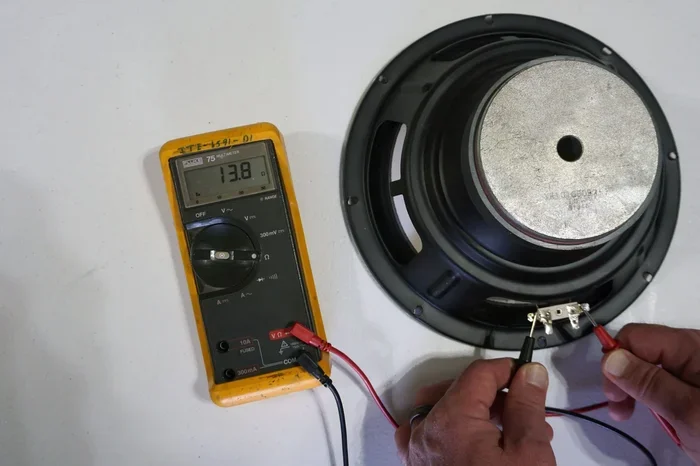
Whining Noise from Speakers When Accelerating

A whining noise from speakers when accelerating is a common car audio issue. It usually stems from alternator whine or grounding problems in your stereo system. This guide explains how to diagnose and fix the annoying sound so you can enjoy clear music again.
Key Takeaways
- Identify the source: The noise often comes from the alternator or poor grounding.
- Check your grounds: Bad grounding wires cause electrical interference.
- Inspect RCA cables: Loose or damaged cables can pick up engine noise.
- Adjust gain settings: Too much gain on your amplifier can amplify noise.
- Use noise filters: A noise filter can help eliminate remaining whine.
- Test with engine off: Determine if the noise is electrical or mechanical.
- Seek professional help: If fixes fail, consult a car audio specialist.
📑 Table of Contents
Why You Hear a Whining Noise from Speakers When Accelerating
There is nothing more annoying than hearing a high-pitched sound while you drive. You turn up your favorite song, but the sound is ruined. This whining noise from speakers when accelerating is a classic sign of electrical interference. It often gets louder as your engine speed increases. This happens because the alternator produces more electricity when the engine runs faster.
Many car owners face this problem. It is not usually a sign of broken speakers. Instead, it is a signal that your car audio system is picking up unwanted electrical signals. The noise is often called alternator whine. It happens when the audio system competes with the car’s electrical system.
You might notice the sound changes pitch when you press the gas pedal. This is a key clue. It tells you the noise is linked to the engine’s RPM. Understanding this link is the first step to fixing it. We will walk through the main causes and simple fixes. You do not need to be an expert to solve this.
Common Causes of Engine Noise in Car Audio
Visual guide about car audio system dashboard
Image source: descriptive.audio
Why does this happen? Your car has many electrical parts. The alternator, battery, and spark plugs all create electricity. Sometimes, this electricity creates noise. If your audio system is not shielded well, it picks up this noise.
One common cause is a bad ground connection. Every electronic device needs a good path to the ground. If your stereo or amplifier has a loose ground, it looks for another path. This path might carry noise from the engine. This results in a whining sound through your speakers.
Another cause is damaged RCA cables. These cables carry the audio signal from your head unit to the amplifier. If the shielding is broken, they act like antennas. They pick up electrical noise from the car. This noise then plays through your car speakers.
Voltage fluctuations are also a culprit. When you accelerate, the voltage changes slightly. If your power supply is not stable, the amplifier reacts to these changes. This creates the whining effect. You might also face issues if your alternator is failing or dirty.
How to Diagnose the Whining Noise from Speakers
Before you start fixing things, you need to find the root cause. Diagnosis saves time and money. Start by turning off the engine. Listen to your music. If the noise stops, it is likely electrical noise from the engine. If the noise continues, the issue might be with the speakers themselves.
Next, check the noise level at idle. Rev the engine gently. Does the pitch change? If yes, it is definitely alternator whine. You can also try turning off different components. Turn off the lights or the air conditioning. If the noise changes, you know it is a voltage issue.
You should also inspect your wiring. Look for loose wires or frayed insulation. Check the ground wire on your amplifier. It should be connected to bare metal on the car chassis. Paint or rust can block the connection. A good ground is essential for clean sound.
Sometimes the issue is with the head unit. Older stereos might not have good noise suppression. If you have added new equipment, check the installation. Poor installation is a very common cause of noise. Make sure all connections are tight and secure.
Fixes for Alternator Whine and Static Noise
Once you know the cause, you can apply the right fix. Here are the most effective solutions.
Improve Your Grounding
A solid ground connection is the most important fix. Find the ground wire on your amplifier. Move it to a new spot if needed. Scrape away any paint or rust. Bolt it tightly to the metal chassis. This often stops the whining noise from speakers when accelerating.
Check Your RCA Cables
Inspect your RCA cables for damage. If they are old or cracked, replace them. Use high-quality shielded cables. Route them away from power wires. Running audio cables next to power cables causes interference. Keep them on opposite sides of the car if possible.
Adjust Amplifier Gain
Your amplifier has a gain setting. If it is too high, it amplifies noise along with the music. Turn the gain down slightly. Test the sound again. Find the sweet spot where the music is loud but the noise is gone. This is a simple tweak that often works.
Install a Noise Filter
If other fixes fail, consider a noise filter. This device goes between the battery and the amplifier. It cleans up the power supply. It blocks high-frequency noise from reaching your speakers. This is a great solution for persistent engine noise in car audio.
Use a Capacitor
A capacitor stores energy and releases it quickly. It helps stabilize voltage during heavy bass hits. It can also smooth out voltage fluctuations when you accelerate. This reduces the chance of whining noise. It is a popular upgrade for powerful sound systems.
When to Seek Professional Help for Car Speakers
Sometimes the problem is too complex for a DIY fix. If you have tried everything and the noise remains, get help. A professional car audio installer has special tools. They can trace the noise to the exact source.
You might also have a deeper electrical issue. A failing alternator can cause severe voltage spikes. This can damage your audio equipment over time. If your car battery drains fast or lights flicker, check the alternator. Fixing the car’s electrical system might solve the audio noise.
If your speakers are blown, they might make strange noises too. However, blown speakers usually crackle or distort. A whine is almost always electrical. But if you are unsure, have a pro listen to it. They can tell you if you need new car speakers or just a wiring fix.
You can learn more about specific speaker issues in our guide on car speakers stopped working all sudden. This helps you distinguish between noise and failure.
Quick Tips for a Quiet Car Audio System
- Keep audio cables away from power cables.
- Use high-quality shielded RCA cables.
- Ensure all ground connections are tight and clean.
- Check your alternator health regularly.
- Avoid setting amplifier gain too high.
Common Mistakes to Avoid
- Ignoring loose ground wires.
- Running RCA cables parallel to power wires.
- Setting gain to maximum immediately.
- Using damaged or cheap cables.
- Forgetting to check the alternator belt tension.
Final Thoughts on Fixing Whining Noise
Dealing with a whining noise from speakers when accelerating is frustrating. But it is usually solvable. Most of the time, it is a grounding issue or a cable problem. Start with the simple checks. Tighten your grounds and route your cables correctly.
If those steps do not work, look at your amplifier settings. Lowering the gain can make a big difference. For tough cases, a noise filter or capacitor can help. Remember, a clean power supply is key to clean sound.
Do not let the noise ruin your drive. Take the time to diagnose and fix it. You will enjoy your music much more without the interference. If you need to upgrade your system, check out our recommendations for best pc speakers under 100 for home use, or focus on your car setup. A quiet system is a happy system.
Frequently Asked Questions
Why does my speaker whine only when I accelerate?
This happens because the alternator produces more voltage as the engine speed increases. The audio system picks up this fluctuation as a high-pitched whine. It is a classic sign of alternator whine or grounding issues.
Can a bad ground cause whining noise from speakers?
Yes, a bad ground is one of the most common causes. If the amplifier or head unit cannot find a clean path to the ground, it picks up electrical noise. This noise manifests as a whine through your speakers.
Will changing RCA cables stop the noise?
It often helps if the old cables are damaged or poorly shielded. High-quality shielded RCA cables block interference from the car’s electrical system. Make sure to route them away from power wires for the best results.
How do I fix alternator whine in my car audio?
Start by checking and cleaning all ground connections. Then, inspect your RCA cables and adjust your amplifier gain. If the noise persists, installing a noise filter or capacitor can stabilize the power supply.
Is the whining noise dangerous for my car?
The noise itself is not dangerous, but it indicates an electrical issue. A failing alternator or loose wiring could lead to bigger problems. It is best to fix it soon to protect your audio equipment and car electrical system.
Should I see a professional for this issue?
If you have tried basic fixes like checking grounds and cables, see a professional. They can use specialized tools to trace the noise. This is especially helpful if you suspect a complex electrical fault or alternator failure.