Why Do So Many Things Still Use Micro Usb
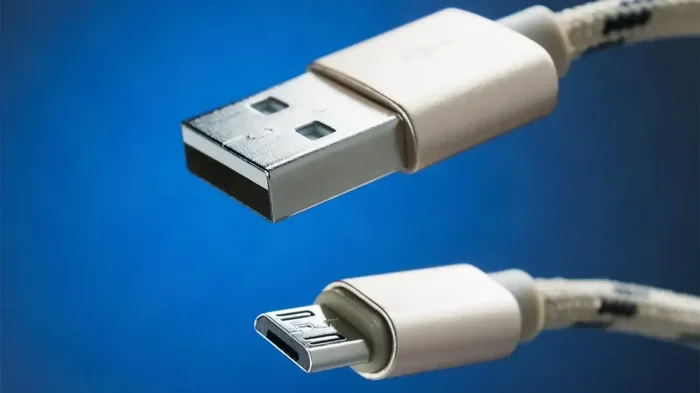
Micro USB is still widely used because it is cheap, reliable, and compatible with millions of existing devices. Despite the rise of USB Type-C, manufacturers continue to rely on micro USB for budget electronics, accessories, and legacy hardware. Understanding why this older connector persists helps you make smarter buying and charging decisions.
You have probably noticed it by now. Your new phone uses USB Type-C, but your old Bluetooth speaker, your fitness tracker, and your portable battery pack all still use that tiny, rectangular plug. It is called micro USB, and it is not going away anytime soon.
The question is simple but important. Why do so many things still use micro USB? The answer involves history, cost, compatibility, and a slow-moving industry that does not want to break what already works. In this article, we will walk through every major reason and help you understand where this connector fits in today’s tech world.
Key Takeaways
- Cost savings drive adoption: Micro USB is cheaper to produce than newer alternatives.
- Massive device compatibility: Millions of gadgets still depend on micro USB for power and data.
- Proven reliability: This connector standard has been tested for over a decade in real-world use.
- USB Type-C is growing but not universal: The transition takes time, especially in budget and accessory markets.
- Adapters bridge the gap: You can still connect micro USB devices to modern ports using simple adapters.
- Legacy hardware keeps demand alive: Many older devices and peripherals only support micro USB.
📑 Table of Contents
The History of Micro USB
Micro USB first appeared around 2007. It was designed as a smaller version of the standard USB Type-A connector. The goal was simple. Make a universal charging and data cable that could fit into slim phones and portable devices.
For years, micro USB was the undisputed king of mobile charging. Nearly every Android phone, tablet, and handheld gadget used it. It became so common that it felt like a universal standard. Even today, the universal serial bus ecosystem owes a lot to micro USB for establishing the idea of one cable for many devices.
Then USB Type-C came along. It was smaller, reversible, and faster. But the world does not switch overnight. Legacy devices, budget products, and accessories built around micro USB continued to sell. That brings us to the first big reason micro USB is still around.
Why Manufacturers Still Choose Micro USB
Cost Is a Major Factor
Let us talk about money. Micro USB connectors are cheap to manufacture. The design is simple and has been around for over fifteen years. Factories know exactly how to produce them at scale. For budget electronics, every cent counts. Switching to a newer connector means retooling production lines and paying more per unit.
Many affordable gadgets like fitness trackers, Bluetooth earbuds, and smart home sensors still use micro USB because it keeps the retail price low. A charging cable that costs less to make means a product that can compete on price.
Device Compatibility Matters
There are billions of micro USB devices in the world right now. Cars, doorbells, controllers, and sensors all rely on this connector. A manufacturer would have to convince users to buy new cables, new chargers, and new accessories. That is a hard sell.
Think about your USB mouse or your portable hard drive. Many of these peripherals still use micro USB because the device ecosystem around them has not changed. If you buy a new mouse, you expect it to work with the cables you already own.
You can still find many USB mouse connectivity issues tied to older port standards, which shows just how widespread legacy USB connections remain in everyday tech.
Proven Reliability
Micro USB has been stress-tested for years. Engineers know how it performs under heat, moisture, and repeated plugging. The connector may not be the fastest, but it works. For devices that do not need high-speed data transfer, micro USB is more than enough.
Many industrial and commercial devices prefer proven technology over new technology. A sensor in a warehouse does not need lightning-fast speeds. It just needs a steady connection. Micro USB delivers that reliably.
Micro USB vs USB Type-C: The Big Comparison
To understand why micro USB survives, it helps to compare it directly with USB Type-C. Here is a quick look at the key differences.
| Feature | Micro USB | USB Type-C |
|---|---|---|
| Release Year | 2007 | 2014 |
| Reversible | No | Yes |
| Max Data Speed | 480 Mbps (USB 2.0) | Up to 40 Gbps (USB4) |
| Power Delivery | Up to 2.5W | Up to 240W |
| Cost per Connector | Low | Higher |
| Common Use | Budget devices, legacy hardware | Modern phones, laptops |
As you can see, USB Type-C wins on almost every technical metric. But winning on paper does not always mean winning in the real world. Many users do not need 40 Gbps speeds or 240 watts of power. They just need their device to charge overnight.
For adapters that bridge old and new standards, many people turn to solutions like an M.2 NVMe SSD to USB 3.1 adapter setup, which shows how USB connectivity remains central even as standards evolve. Similarly, NVMe SSD to USB adapters prove that legacy and modern USB formats coexist in the market.
Devices That Still Rely on Micro USB
You might be surprised by how many things in your home still use micro USB. Here is a quick list of common devices:
- Bluetooth speakers and earbuds: Many affordable audio devices still ship with micro USB charging cables.
- Fitness trackers and smartwatches: Budget fitness gear often uses micro USB for charging.
- Portable battery packs: Some power banks still use micro USB as their input port.
- Smart home sensors: Doorbells, motion sensors, and temperature monitors frequently rely on micro USB.
- Car accessories: Dash cams, phone mounts, and car chargers often include micro USB outputs.
- Gaming controllers: Some budget controllers and older console accessories use micro USB.
- External hard drives: Certain portable drives still come with micro USB connections.
The list goes on. If you have ever bought a budget gadget from an online marketplace, there is a good chance it uses micro USB. This widespread presence in low-cost electronics is a big reason the connector is not disappearing.
Even in the speaker world, many affordable brands still use micro USB for charging. For example, budget speakers from brands like Rockville speakers are known for their low prices, and that price advantage often comes from using older, cheaper connector standards like micro USB.
The Future of Micro USB
Will micro USB eventually disappear? Probably. But the timeline is longer than many people expected. Here is what the future might look like.
Regulations are pushing the industry toward USB Type-C. The European Union has mandated USB Type-C for many devices by 2024. This law is forcing manufacturers to rethink their designs. Over time, fewer new products will include micro USB ports.
However, regulations do not affect existing devices. Your current micro USB gadgets will keep working for years. The accessory market will also keep supporting micro USB for a long time. Replacement cables, car chargers, and wall adapters are still easy to find and very affordable.
One thing is clear. The cable standard war is not over, but micro USB is in its final chapter. Until every device on the planet upgrades, this little connector will keep showing up in our lives.
What You Should Do About It
So how should you handle the micro USB situation? Here are some practical tips:
- Keep spare micro USB cables: You never know when you will need one for an older device or accessory.
- Buy a multi-port charger: Many modern chargers include both micro USB and USB Type-C ports. This gives you flexibility.
- Use adapters when needed: If you want to connect a micro USB device to a modern charger, a simple adapter solves the problem.
- Check for USB 2.0 vs USB 3.0: Not all micro USB cables are the same. Some support faster data transfer than others.
- Plan for the transition: When buying new accessories, consider USB Type-C options for future-proofing.
The bottom line is simple. Micro USB is not going away tomorrow. It is a mature, affordable, and reliable connector that still serves millions of devices worldwide. Understanding why it persists helps you navigate the tech landscape with confidence.
As the industry moves forward, the demand for portable power solutions and universal connectors will continue to grow. But for now, micro USB remains a practical choice for many devices and users. Keep your cables handy and stay prepared.
Whether you are charging a fitness tracker, syncing a smart home sensor, or powering a budget Bluetooth speaker, micro USB still has a place in your tech setup. Embrace it, keep spares on hand, and know that this little connector has earned its staying power.
Frequently Asked Questions
Is micro USB the same as USB Type-C?
No, they are different connectors. Micro USB is older, smaller, and not reversible. USB Type-C is newer, reversible, and supports faster data speeds and higher power delivery.
Can I use a USB Type-C cable with a micro USB device?
Not directly. You would need a USB Type-C to micro USB adapter or cable. These adapters are inexpensive and widely available online.
Why do budget devices still use micro USB?
Micro USB connectors are cheap to manufacture and widely available. For budget electronics, using micro USB keeps production costs low and helps maintain competitive pricing.
Will micro USB be completely phased out?
It is likely, but the timeline is uncertain. Regulations like the EU mandate are pushing the industry toward USB Type-C. However, existing micro USB devices will remain usable for many years.
Can micro USB cables transfer data?
Yes, micro USB cables can transfer data. Most micro USB cables support USB 2.0 speeds, which is up to 480 Mbps. Some newer micro USB 3.0 cables support faster speeds.
Are all micro USB cables the same quality?
No, there is a range of quality. Cheap cables may charge slowly or overheat. Look for cables from reputable brands and check for USB certification to ensure safe and reliable performance.
=== CONCLUSION ===
Micro USB is still everywhere, and there are good reasons for that. It is cheap, reliable, and compatible with billions of devices worldwide. While USB Type-C is the future, micro USB is not ready to leave the stage yet.
Whether you are a tech enthusiast or just someone who wants their gadgets to work, understanding why micro USB persists gives you an edge. Keep spare cables, stock up on adapters, and remember that this little connector has powered our devices for nearly two decades. It earned its place, and it is not giving it up without a fight.