Zoom Minimum Requirements
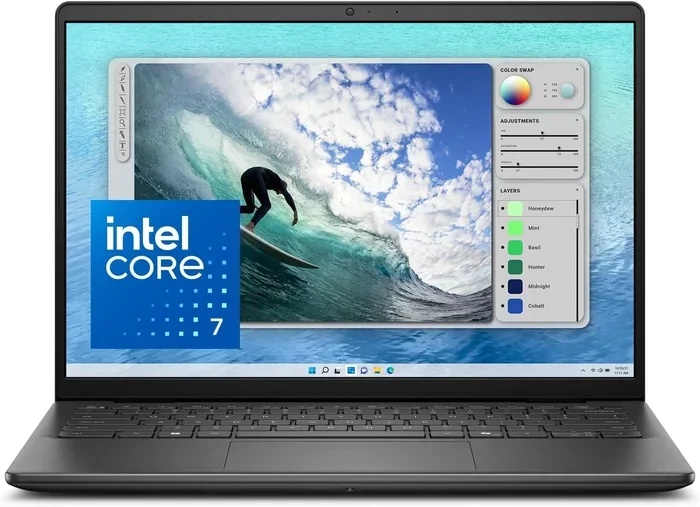
Zoom minimum requirements are essential for a seamless video conferencing experience. This guide covers everything from processor speed and RAM to internet bandwidth and audio setup. Whether you are on a PC, Mac, or mobile device, you will learn exactly what you need to run Zoom without glitches.
Video conferencing has become a daily part of work and life. Whether you are attending a team meeting, hosting a webinar, or catching up with family, Zoom is one of the most popular platforms out there. But here is the thing — not every device can handle it well. If your setup does not meet the Zoom minimum requirements, you might experience lag, poor audio, or frozen video. That is frustrating for everyone on the call.
This guide breaks down everything you need to know about the Zoom minimum requirements. We will look at processor specs, RAM, internet speed, camera quality, and audio needs. We will also cover requirements for different devices, including PCs, Macs, and mobile phones. By the end, you will know exactly what your system needs to run Zoom without any headaches.
Let us get into it. No fluff, no jargon — just clear, practical information that helps you get started.
Key Takeaways
- Processor: A dual-core CPU from the last 5 years is the baseline for running Zoom smoothly.
- Internet Speed: You need at least 2.5 Mbps up and down for group HD video calls.
- RAM: 4 GB is the minimum, but 8 GB or more ensures better multitasking.
- Camera and Microphone: A built-in 720p camera and decent headset meet basic needs, but external gear elevates your experience.
- Operating System: Windows 10+, macOS 10.13+, and modern mobile OS versions are all supported.
- External Gear: Investing in a good microphone for Zoom calls or a quality headset makes a big difference.
📑 Table of Contents
What Are the Zoom Minimum Requirements?
Before we dive into specifics, let us define what we mean by Zoom minimum requirements. These are the baseline specs your device needs to run Zoom at an acceptable level. Meeting the minimum means you can join calls, share your screen, and use basic features. However, if you want a smoother experience — especially for large meetings or HD video — you will want to exceed these minimums.
The Zoom minimum requirements vary slightly depending on the device and operating system. But the core components remain the same across the board. Let us look at each one in detail.
Processor Requirements
Your processor is the brain of your computer. It handles all the video encoding and decoding that Zoom relies on. For the Zoom minimum requirements, you need a dual-core processor from the last five years or so. That means any Intel i3 or i5 from around 2018 onward, or an AMD Ryzen 3 or 5 in the same timeframe, will work.
Older single-core processors will struggle. You may notice choppy video or delayed audio. If your computer is more than 8 years old, it might be time to consider an upgrade. A 4K video conferencing setup demands even more processing power, so keep that in mind if you plan to use high-resolution features.
RAM Requirements
RAM, or memory, is where your computer stores data it is actively using. For Zoom minimum requirements, you need at least 4 GB of RAM. This will handle a standard video call with screen sharing.
However, 4 GB is tight. If you have many browser tabs open or other apps running, Zoom might slow down. For a comfortable experience, 8 GB of RAM is the sweet spot. If you often multitask during meetings — say, taking notes while on a call — 16 GB is even better. Think of RAM as your workspace: the bigger it is, the more you can juggle at once without things getting cluttered.
Internet Speed Requirements
Internet speed is arguably the most critical factor for a smooth Zoom experience. The Zoom minimum requirements for bandwidth are:
- One-on-one video call: 3.8 Mbps up and down
- Group video call (HD): 3.8 Mbps up and down
- Screen sharing only: 1.5 Mbps up and down
- Audio-only call: 60-80 Kbps up and down
These numbers are the Zoom minimum requirements for a stable connection. In real life, you want some buffer. If your internet speed hovers right at the minimum, any other device on your network — like a streaming TV or a gaming console — can cause problems. A wired Ethernet connection is always more reliable than Wi-Fi for video calls.
Zoom Requirements for Different Devices
Not everyone uses Zoom on the same device. Your setup matters, and the Zoom minimum requirements differ depending on what you are using. Let us break it down by device type.
Windows PC Requirements
For Windows users, the Zoom minimum requirements include:
- Windows 10 or later
- Dual-core processor (2 GHz or faster)
- 4 GB RAM minimum
- At least 2.5 GB of free disk space
- A webcam with at least 720p resolution
Most modern Windows laptops and desktops will meet these specs easily. But if you are using an older machine or a budget desktop, double-check before your next meeting. Nothing is worse than joining a call only to find your video is frozen or your audio keeps cutting out.
Mac Requirements
Mac users have a slightly different set of Zoom minimum requirements:
- macOS 10.13 (High Sierra) or later
- Intel processor (2 GHz dual-core or better)
- 4 GB RAM minimum
- At least 2.5 GB of free disk space
Apple Silicon Macs (M1 and M2 chips) handle Zoom exceptionally well. If you have a newer MacBook, you are in great shape. Older Intel Macs should still work fine as long as they meet the OS and RAM requirements.
Mobile Device Requirements
Zoom works on both iOS and Android devices. For mobile, the Zoom minimum requirements are much simpler:
- iOS 12.0 or later (iPhone)
- Android 5.0 or later
- At least 1 GB of RAM
- A stable Wi-Fi or cellular connection
Most smartphones made in the last 5-6 years will handle Zoom calls without issues. However, screen sharing and large group calls can be demanding on mobile devices. If you are joining a big meeting on your phone, keep an eye on your battery and data usage.
Camera and Video Requirements for Zoom
Your camera plays a big role in how you come across on Zoom. The Zoom minimum requirements for video are fairly modest. A built-in webcam that supports 720p resolution is enough for basic calls. Most laptops made after 2015 have cameras that meet this standard.
But here is the truth — 720p looks fine on a small phone screen, but it can appear blurry on a larger monitor or projector. If you want to look sharp on camera, consider upgrading to a 1080p webcam. External cameras also tend to perform better in low-light conditions, which matters if you are working from a dimly lit room.
For those who need professional-grade video, a 30X zoom PTZ camera for outdoor use can be a game-changer. These cameras offer incredible flexibility and are perfect for large venues or outdoor streaming setups. If you are interested in exploring advanced camera options, check out our guide on 30X Zoom PTZ Camera Outdoor for detailed recommendations.
Quick Tips for Better Video Quality
- Make sure your room is well-lit. Natural light from a window works great.
- Position your camera at eye level for a more professional look.
- Clean your camera lens before important calls. It makes a surprising difference.
- Use a virtual background if your real background is distracting.
- Close other apps that might be using your camera or eating up processing power.
Audio Requirements for Zoom
Audio quality can make or break a Zoom meeting. The Zoom minimum requirements for audio are basic: any built-in microphone and speaker that your device comes with will technically work. But “will work” and “will sound good” are two very different things.
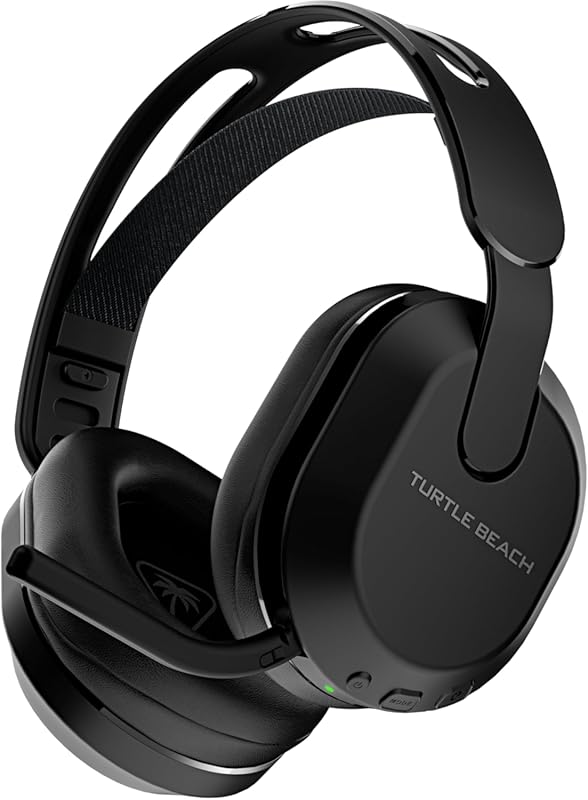
If you are serious about your calls — whether for work or content creation — investing in better audio gear is worth it. A dedicated microphone for Zoom calls can dramatically improve how you sound. Similarly, a quality headset ensures you hear others clearly without echo or background noise.
For those who wear headsets during meetings, our guide on best headsets for Zoom meetings covers top picks that balance comfort, audio quality, and price.
Understanding Zoom Audio Settings
Zoom has several audio settings that can help you get the best sound even on basic equipment:
- Original Sound: This setting disables Zoom’s noise suppression and echo cancellation. It is great for musicians or anyone who needs the most natural audio possible.
- Background Noise Suppression: This feature filters out ambient sounds like fans, keyboards, or traffic. You can set it to Low, Medium, High, or Auto.
- Speaker and Microphone Selection: Zoom lets you manually choose which speakers and microphone to use. This is helpful if you have multiple audio devices connected.
Common Mistakes That Affect Zoom Performance
Even if your device meets the Zoom minimum requirements, certain habits can hurt your call quality. Here are some common mistakes to avoid:
- Running too many apps: Having many programs open uses up RAM and processor power. Close anything you do not need during a call.
- Using outdated Zoom software: Zoom releases regular updates that fix bugs and improve performance. Always keep your app up to date.
- Ignoring your internet connection: Wi-Fi can be unreliable, especially in crowded buildings. Use a wired connection when possible.
- Skipping the bandwidth test: Before an important meeting, run a quick speed test to make sure your connection is stable.
- Using a low-quality webcam on a big screen: If participants are viewing your video on a large monitor or TV, a basic 720p camera may look pixelated.
How to Test if Your System Meets Zoom Requirements
The easiest way to check if your system meets the Zoom minimum requirements is to run Zoom’s built-in test. Here is how:
- Open Zoom on your computer or device.
- Click on your profile picture in the top right corner.
- Select “Settings.”
- Go to the “Video” tab and click “Test Video.”
- Go to the “Audio” tab and click “Test Speaker” and “Test Mic.”
This will give you a quick snapshot of how your camera and microphone are performing. If everything looks and sounds good, you are ready for your next meeting. If not, the test will help you identify which component needs attention.
You can also visit Zoom’s official system requirements page for the most up-to-date specifications. Technology changes fast, and Zoom occasionally updates its requirements to support new features.
Expert Tips to Optimize Your Zoom Setup
Want to get the most out of your Zoom experience? Here are some expert-backed tips that go beyond the Zoom minimum requirements:
- Upgrade your internet plan: If you frequently join large meetings or share your screen, a faster internet plan with at least 10 Mbps upload speed will make a noticeable difference.
- Use an external monitor: A second screen helps you see participants and shared content without squinting at a small laptop display.
- Invest in a ring light: A simple ring light can transform your video quality, especially in dim rooms. It is affordable and easy to set up.
- Use a USB hub: If your laptop has limited ports, a USB hub lets you connect your webcam, microphone, and other peripherals without hassle.
- Enable HD video in settings: In Zoom settings, go to “In Meeting (Advanced)” and check “Enable HD.” This uses more bandwidth but makes your video look much sharper.
Conclusion
The Zoom minimum requirements are not complicated. A dual-core processor, 4 GB of RAM, a stable internet connection, and a basic webcam will get you through most calls. But if you want to look and sound your best — especially in professional settings — going above the minimum is always a smart move.
Take the time to check your setup before your next meeting. Run the built-in tests, close unnecessary apps, and make sure your internet connection is solid. Small improvements can lead to a much better experience for you and everyone on the call. Whether you are using a laptop, desktop, or mobile device, understanding these Zoom minimum requirements empowers you to show up prepared and confident every time you join a call.
Frequently Asked Questions
What is the minimum internet speed needed for Zoom?
For a one-on-one video call, Zoom needs at least 3.8 Mbps up and down. For group HD calls, the same speed applies. However, a faster connection with at least 10 Mbps is recommended if you plan to share your screen or host larger meetings.
Can I run Zoom on 4 GB of RAM?
Yes, 4 GB is the Zoom minimum requirement for RAM. It will handle basic video calls and screen sharing. However, if you multitask during meetings or use other resource-heavy apps, 8 GB or more will provide a smoother experience.
Do I need a separate webcam for Zoom?
No, most modern laptops come with built-in webcams that meet the Zoom minimum requirements. A separate webcam is only necessary if your built-in camera is low quality or if you need higher resolution for professional or streaming purposes.
What operating systems does Zoom support?
Zoom supports Windows 10 and later, macOS 10.13 (High Sierra) and later, iOS 12.0 and later, and Android 5.0 and later. Always keep your operating system updated for the best compatibility and security.
How can I improve my Zoom audio quality?
To improve audio quality, use an external microphone or a good headset. Enable Zoom’s background noise suppression feature, and consider using the Original Sound setting if you need the most natural audio. Avoid joining calls from noisy environments when possible.
Is Zoom free to use?
Yes, Zoom offers a free tier that supports one-on-one meetings and group calls with up to 100 participants. However, free meetings are limited to 40 minutes for group calls. Paid plans remove this limit and add extra features like cloud recording and larger meeting capacities.