1tb Pcie 3.0 Nvme M 2 Ssd
A 1TB PCIe 3.0 NVMe M.2 SSD is one of the best ways to speed up your computer. This type of drive uses the PCIe 3.0 interface to deliver fast read and write speeds, making your system feel lightning quick. You get 1TB of storage space, which is enough for your operating system, games, and important files. NVMe technology removes the bottlenecks that slow down older drives, giving you a much better experience. If you want a simple upgrade that makes a huge difference, this is the way to go.
A 1TB PCIe 3.0 NVMe M.2 SSD is one of the most popular storage upgrades you can make today. Whether you are building a new PC or upgrading an older one, this type of drive delivers the speed and capacity you need at a reasonable price. But what exactly makes it so special, and how do you know if it is right for you?
In this guide, we will break everything down in plain language. You will learn how these drives work, why they are so fast, and what to look for when buying one. By the end, you will feel confident making the right choice for your setup.
Key Takeaways
- Blazing Speeds: PCIe 3.0 NVMe M.2 SSDs offer sequential read speeds up to 3,500 MB/s, far faster than traditional hard drives.
- Compact Form Factor: The M.2 stick design fits directly into your motherboard, saving space and reducing cable clutter.
- 1TB Is the Sweet Spot: One terabyte gives you enough room for your OS, applications, and several large games without breaking the bank.
- Easy Installation: Most modern motherboards support M.2 slots, making this one of the simplest upgrades you can do.
- Lower Power Usage: NVMe SSDs use less energy than traditional drives, which helps laptop users get better battery life.
- Great for Gaming and Work: Whether you are a gamer or a content creator, a 1TB PCIe 3.0 NVMe M.2 SSD will noticeably improve your workflow.
📑 Table of Contents
What Is a 1TB PCIe 3.0 NVMe M.2 SSD?
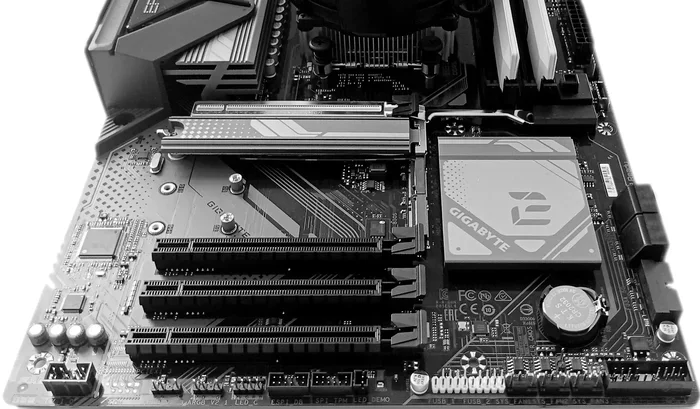
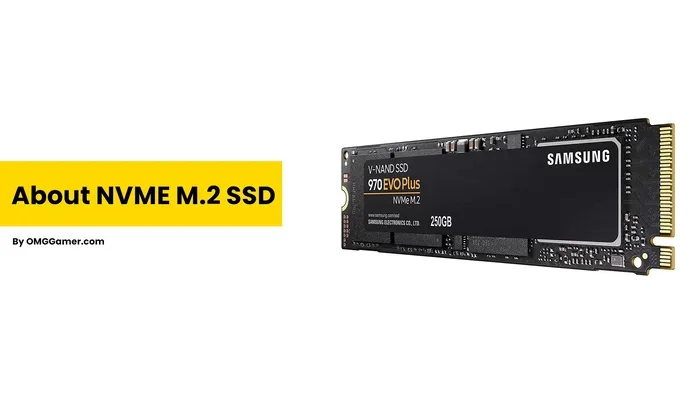
Let us start with the basics. A 1TB PCIe 3.0 NVMe M.2 SSD is a solid state drive that uses the PCIe 3.0 interface and the NVMe protocol. It plugs directly into your motherboard using an M.2 slot, which is a small connector designed for compact storage devices.
Here is what each part of the name means:
- 1TB: This is the storage capacity. One terabyte holds roughly 250,000 photos or 250 hours of HD video.
- PCIe 3.0: This is the connection standard. It is the third generation of PCIe, offering plenty of bandwidth for fast data transfer.
- NVMe: This stands for Non-Volatile Memory Express. It is a protocol built specifically for flash storage, making it much faster than older protocols like AHCI.
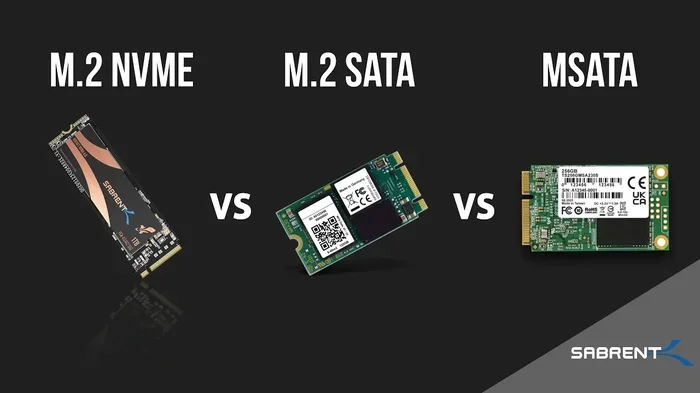
- M.2: This is the physical form factor. It is a small stick that slides directly into your motherboard.
- SSD: Solid State Drive. It has no moving parts, which means it is faster, quieter, and more reliable than a traditional hard drive.
Together, all of these features create a drive that is compact, fast, and perfect for everyday computing. For a deeper look at how PCIe 3.0 TLC NVMe technology works, check out our detailed breakdown of solid state drive PCIe 3.0 TLC NVMe M.2 SSD options.
How Does a 1TB PCIe 3.0 NVMe M.2 SSD Work?
Understanding how this drive works does not require a computer science degree. Let us keep it simple.
Traditional hard drives use spinning metal disks and a moving read/write head. This mechanical process takes time. A 1TB PCIe 3.0 NVMe M.2 SSD stores data on flash memory chips. There are no moving parts, so data can be accessed almost instantly.
The NVMe protocol is the real game changer here. It was designed from the ground up for flash storage. It communicates with your processor much more efficiently than older protocols. This means your drive can handle multiple data requests at the same time without slowing down.
The PCIe 3.0 interface provides a direct connection to your CPU. This bypasses the slower pathways used by traditional SATA drives. The result is a massive boost in speed. Most 1TB PCIe 3.0 NVMe M.2 SSD drives offer sequential read speeds between 3,200 and 3,500 MB/s. Write speeds typically range from 1,500 to 3,000 MB/s, depending on the specific model.
Compare this to a standard SATA SSD, which tops out around 550 MB/s. The difference is night and day. Your system boots faster, applications load in seconds, and large file transfers happen in a fraction of the time.
Benefits of Upgrading to a 1TB PCIe 3.0 NVMe M.2 SSD
So why should you make the switch? Here are the biggest benefits you will notice right away.
Faster Boot and Load Times
Your operating system will boot in seconds instead of minutes. Games and applications open almost instantly. This alone is a reason many people upgrade their storage.
More Storage Space
One terabyte gives you a comfortable amount of space. You can install your operating system, a handful of large games, and still have room for documents, photos, and videos. For most users, 1TB hits the perfect balance between capacity and price.
Better System Responsiveness
Everything on your PC will feel snappier. File transfers, video editing, and multitasking all benefit from the speed of NVMe storage. If your current system feels sluggish, a 1TB PCIe 3.0 NVMe M.2 SSD can bring it back to life.
Compact and Clean Build
The M.2 form factor is tiny. It takes up almost no space inside your case. There are no cables to manage, which makes for a cleaner build and better airflow.
Energy Efficiency
NVMe SSDs consume less power than traditional hard drives or even SATA SSDs. This is especially helpful for laptop users who want to squeeze more battery life out of their device.
For more information on choosing the right capacity and type of NVMe drive, explore our guide on SSD NVMe PCIe M.2 options and find the best fit for your needs.
Who Should Get a 1TB PCIe 3.0 NVMe M.2 SSD?
Not sure if this drive is for you? Let us help you figure it out.
Gamers will love the fast load times. Games installed on an NVMe drive launch noticeably faster than on a traditional hard drive. You will spend less time staring at loading screens and more time actually playing.
Content creators also benefit a lot. Video editors, graphic designers, and photographers work with large files. A 1TB PCIe 3.0 NVMe M.2 SSD handles these files with ease, cutting down export and render times significantly.
Everyday users who want a snappier PC will notice the difference immediately. Web browsing, application switching, and file management all feel smoother on NVMe storage.
Students and professionals who need reliable, fast storage for schoolwork or office tasks will find that 1TB is more than enough for documents, presentations, and media files.
If you are still on a traditional hard drive or a slower SATA SSD, upgrading to a 1TB PCIe 3.0 NVMe M.2 SSD is one of the best investments you can make for your computer.
Things to Consider Before Buying
Before you grab one off the shelf, there are a few things to keep in mind.
Motherboard Compatibility: Make sure your motherboard has an M.2 slot that supports PCIe 3.0 NVMe. Most modern motherboards do, but older boards may only support SATA M.2 drives. Check your motherboard manual to confirm.
Thermal Management: NVMe drives can run hot under heavy workloads. Some models come with a heatsink included. If yours does not, consider buying a separate M.2 heatsink to keep temperatures in check.
Price vs. Capacity: A 1TB PCIe 3.0 NVMe M.2 SSD typically costs between $50 and $80. If you need more storage, you might want to look at 2TB options. For the best value, 1TB is the sweet spot for most users.
Brand and Warranty: Stick with reputable brands that offer at least a 3-year warranty. This gives you peace of mind and protection against early failures.
For those who want to compare options across different capacities and brands, our guide on 1TB NVMe M.2 SSD covers the top picks and price comparisons available right now.
Quick Installation Tips
Installing a 1TB PCIe 3.0 NVMe M.2 SSD is one of the easiest PC upgrades you can do. Here is a quick overview of the process.
- Turn off your PC and unplug it from the wall.
- Open your case and locate the M.2 slot on your motherboard.
- Remove the M.2 heatsink or bracket if one is already installed.
- Insert the SSD at a 30-degree angle into the M.2 slot.
- Gently press the drive down and secure it with the small screw.
- Replace the heatsink if needed.
- Close your case, plug in your PC, and power it on.
- Go into your BIOS or operating system to initialize the new drive.
That is it. No cables, no adapters, no fuss. Within minutes, your new drive is ready to go. Make sure to enable the NVMe mode in your BIOS if it is not set automatically.
For a more detailed walkthrough on setting up your new drive, including driver installation and optimization tips, visit our NVMe M.2 SSD WD Blue driver download and setup guide.
Common Mistakes to Avoid
Even though the installation is simple, there are a few mistakes people commonly make.
- Forgetting to check BIOS settings: If your M.2 slot is not enabled in the BIOS, the drive will not be detected. Always double-check this before assuming the drive is faulty.
- Skipping the heatsink: Some people skip the heatsink to save space or money. Over time, heat can throttle your drive speeds, so it is worth the small investment.
- Buying the wrong form factor: M.2 slots come in different key types (B key and M key). Make sure you buy an M key drive, which is the standard for NVMe PCIe SSDs.
- Not updating firmware: After installation, check the manufacturer website for firmware updates. These can improve performance and fix bugs.
Avoiding these simple mistakes will ensure your 1TB PCIe 3.0 NVMe M.2 SSD performs at its best for years to come.
Expert Insights
According to storage industry experts, PCIe 3.0 NVMe drives remain an excellent choice in 2024 and beyond. While PCIe 4.0 and 5.0 drives offer even higher speeds, PCIe 3.0 provides the best balance of performance and price for most users.
The 1TB capacity is widely recommended as the minimum for a primary system drive. It gives you enough room for your operating system, essential applications, and a solid collection of games or media files without costing a fortune.
Storage reviewers also emphasize that the real-world speed difference between PCIe 3.0 and PCIe 4.0 is often smaller than the numbers suggest. For everyday tasks, a 1TB PCIe 3.0 NVMe M.2 SSD feels just as fast as a PCIe 4.0 drive in most use cases. You save money and still get an incredible performance boost over older storage.
Final Verdict
A 1TB PCIe 3.0 NVMe M.2 SSD is a fantastic upgrade for almost any PC. It is fast, affordable, easy to install, and offers plenty of storage space. Whether you are a gamer, a creator, or just someone who wants a snappier computer, this drive delivers real results.
The technology is mature, prices are low, and compatibility is excellent on modern motherboards. There is really no reason not to upgrade if you are still using a slow hard drive or an older SATA SSD.
Take the time to pick a reputable brand, check your motherboard compatibility, and follow the installation steps above. You will be amazed at how much faster your PC feels. A 1TB PCIe 3.0 NVMe M.2 SSD is one of those rare upgrades that makes a noticeable difference every single day.
Frequently Asked Questions
What is the difference between a 1TB PCIe 3.0 NVMe M.2 SSD and a SATA SSD?
A PCIe 3.0 NVMe M.2 SSD is significantly faster than a SATA SSD. NVMe drives can reach read speeds of 3,500 MB/s or more, while SATA SSDs max out around 550 MB/s. The NVMe protocol also handles multiple data tasks more efficiently, making your system feel much more responsive.
Is a 1TB PCIe 3.0 NVMe M.2 SSD enough for gaming?
Yes, 1TB is a great size for gaming. It can comfortably hold several large modern games along with your operating system and applications. If you have a massive game library, you might eventually want a second drive, but for most gamers, 1TB is the perfect starting point.
Do I need a special motherboard for a 1TB PCIe 3.0 NVMe M.2 SSD?
Most modern motherboards come with at least one M.2 slot that supports PCIe 3.0 NVMe SSDs. However, you should always check your motherboard manual to confirm compatibility. Some older boards may only support SATA M.2 drives, so double-check before buying.
How do I know if my PC supports NVMe M.2 SSDs?
Check your motherboard specifications for an M.2 slot that supports NVMe or PCIe. You can also check your PC manufacturer’s website or use a system information tool. If your PC has an M.2 slot listed with PCIe support, you are good to go.
Can I use a 1TB PCIe 3.0 NVMe M.2 SSD as my main drive?
Absolutely. In fact, that is the best use for one. Install your operating system and frequently used applications on the NVMe drive for the fastest possible performance. You can always add a larger hard drive or SATA SSD for extra storage later.
How long does a 1TB PCIe 3.0 NVMe M.2 SSD last?
Most quality NVMe SSDs are rated for hundreds of terabytes written (TBW), which translates to many years of normal use. With typical daily usage, a 1TB PCIe 3.0 NVMe M.2 SSD can easily last 5 to 10 years or more before showing signs of wear.
=== CONCLUSION ===
A 1TB PCIe 3.0 NVMe M.2 SSD is a smart, affordable upgrade that transforms your computing experience. The speed gains are immediate and noticeable. The installation is simple enough for anyone to handle. And the 1TB capacity gives you plenty of room for everything you need.
Do not let a slow hard drive hold you back any longer. Upgrade to NVMe storage today and feel the difference every time you turn on your PC.