2 Tb Ssd Nvme M 2

A 2 TB SSD NVMe M.2 delivers blazing-fast speeds and massive storage in a tiny form factor. These drives use the PCIe interface to offer read speeds up to 7000 MB/s, making them ideal for gaming, creative work, and everyday computing. Whether you are upgrading a laptop or building a new PC, a 2 TB NVMe M.2 SSD provides the perfect balance of capacity and performance.
A 2 TB SSD NVMe M.2 is one of the best storage upgrades you can make today. These drives pack a huge amount of space into a tiny stick that slides right into your motherboard. They are dramatically faster than old hard drives and even faster than SATA SSDs. If you have been thinking about upgrading your storage, now is a great time.
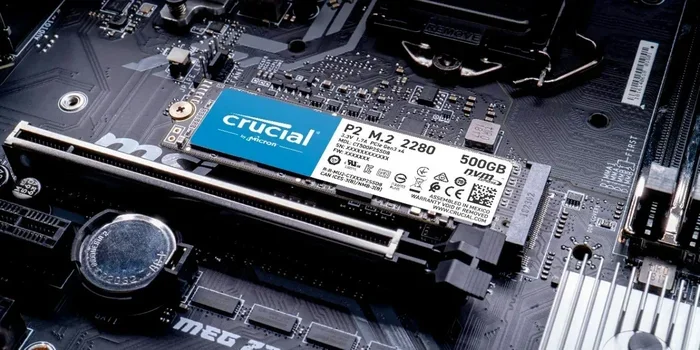
The M.2 form factor is small and flat, about the size of a stick of gum. It connects directly to your board through an M.2 slot. There is no messy cable to manage. This makes it perfect for small PC cases and laptops alike. The NVMe protocol uses the PCIe bus, which means data moves at incredible speeds. You get read speeds that can top out around 7000 MB/s on the latest drives.
Let us break down everything you need to know about picking the right 2 TB NVMe M.2 SSD. We will cover speed, price, brands, and installation tips. By the end, you will know exactly which drive fits your needs.
Key Takeaways
- Speed: A 2 TB SSD NVMe M.2 offers sequential read speeds of 5000 to 7000 MB/s, far faster than SATA drives.
- Capacity: 2 TB gives you plenty of room for games, videos, and large files without breaking the bank.
- Form Factor: The M.2 stick design saves space and fits directly into your motherboard.
- Compatibility: Check your motherboard for M.2 slots and PCIe support before buying.
- Price Range: 2 TB NVMe drives now cost between $120 and $200, making them very affordable.
- Use Cases: Great for gaming rigs, video editing, and as a boot drive for your operating system.
📑 Table of Contents
What Is a 2 TB NVMe M.2 SSD?
An M.2 NVMe SSD is a type of solid state drive that uses the M.2 connector and the NVMe protocol. The M.2 part refers to the physical shape and size of the drive. NVMe stands for Non-Volatile Memory Express, which is a fast protocol designed specifically for flash storage. The PCIe interface is what gives these drives their speed advantage.
A traditional SATA SSD maxes out around 550 MB/s. A 2 TB SSD NVMe M.2 can go five to ten times faster. This huge difference matters when you are loading large games, editing 4K video, or moving massive files around.
The 2 TB capacity is a sweet spot. You get enough room for your operating system, dozens of games, and plenty of media files. At the same time, 2 TB drives are still reasonably priced compared to 4 TB options.
Benefits of a 2 TB NVMe M.2 SSD
Blazing Fast Speeds
The biggest advantage is speed. A PCIe Gen4 NVMe drive can deliver read speeds above 7000 MB/s. Write speeds are usually a bit lower but still very fast, often around 5000 MB/s. This means your PC boots in seconds. Games load almost instantly. Large files copy in a fraction of the time.
Even compared to other NVMe drives, a 2 TB model tends to perform well because it often has more NAND chips. More chips mean more parallel data paths, which translates to better real-world speeds.
Huge Storage Capacity
Two terabytes is a lot of space. To put it in perspective, a typical AAA game takes up 50 to 100 GB. That means you can store 20 to 40 games on a single drive. You can also hold thousands of photos, hours of video, and all your documents without worrying about running out of room.
Small and Compact
The M.2 stick is incredibly small. It takes up almost no space inside your case. There is no need for a bulky 3.5-inch drive bay or SATA cables. This makes 2 TB NVMe M.2 SSDs perfect for compact builds and portable laptops.
Energy Efficiency
NVMe SSDs use less power than traditional hard drives. This can lead to better battery life on laptops and lower heat output in desktops. Less heat also means your system stays quieter and lasts longer.
Top 2 TB NVMe M.2 SSDs Worth Considering
There are many great options on the market right now. Here are some popular choices that deliver excellent performance at a fair price.
The Crucial T705 is one of the fastest PCIe Gen5 drives available. It offers read speeds up to 12,400 MB/s, which is incredible for a consumer drive. It comes in a 2 TB option that is perfect for power users. The drive also features a heatsink design that helps manage thermals during heavy workloads.
The Samsung 970 EVO Plus is a well-known name in the SSD world. While it uses the PCIe Gen3 interface, it still delivers very strong real-world performance. It is reliable, widely available, and comes with good software support. Many users trust Samsung for long-term durability.
If you want a more budget-friendly option, the Kingston NV2 series offers solid performance at a lower price point. It is a great entry-level NVMe drive that still beats SATA SSDs by a wide margin. The 2 TB model is affordable and works well for everyday tasks and gaming.
When comparing drives, look at both sequential speeds and random read/write performance. Random speeds matter a lot for everyday use, such as opening apps and loading your operating system. Sequential speeds matter more for large file transfers and media work.
How to Choose the Right 2 TB NVMe M.2 SSD
Not all NVMe drives are the same. Here are the key factors to consider before you buy.
Check Your Motherboard Compatibility
First, make sure your motherboard has an M.2 slot. Most modern boards have at least one. Next, check which PCIe generation the slot supports. A Gen4 drive will work in a Gen3 slot but will run at Gen3 speeds. This is not a problem, but you will not get the full speed benefit.
Also, check the M.2 key type. Most NVMe drives use the M key, which supports PCIe. Some slots support both SATA and PCIe, so make sure you are buying the right type of drive.
Consider the PCIe Generation
PCIe Gen4 is the current mainstream standard. It offers speeds up to about 7000 MB/s. PCIe Gen5 is the newest standard and can reach over 12,000 MB/s. Gen5 drives cost more but offer a noticeable speed boost for heavy workloads. For most users, a Gen4 drive provides more than enough performance.
Look at DRAM Cache
Drives with a DRAM cache tend to perform better under heavy loads. The DRAM chip stores a map of where data is on the drive, which helps the controller find and access files faster. If you do a lot of large file transfers or run multiple apps at once, a DRAM-equipped drive is a good choice.
Thermal Management
Fast NVMe drives can get hot under heavy use. Some drives come with a built-in heatsink. Others require you to buy a separate M.2 heatsink or use the one included with your motherboard case. Thermal throttling can slow your drive down if it gets too hot, so keeping temperatures in check is important.
Price and Brand Reputation
2 TB NVMe drives range from about $120 to $200. Brands like Samsung, Crucial, Kingston, and WD Blue are well-known for reliability and performance. Always check reviews and warranty terms before purchasing. A good warranty gives you peace of mind and protection against early failures.
Installation and Setup Tips
Installing a 2 TB SSD NVMe M.2 is surprisingly easy. You do not need any special tools or technical skills. Here is a quick overview of the process.
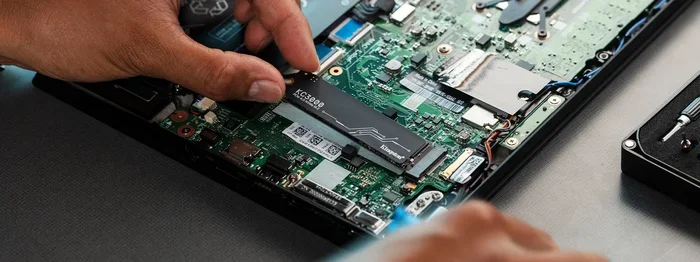
First, locate the M.2 slot on your motherboard. It is usually labeled and found near the CPU socket or along the bottom edge of the board. Remove the small screw that holds the slot cover in place. Then, insert the drive at a 30-degree angle. Push it down gently and secure it with the screw.
Once the drive is physically installed, you need to set it up in your operating system. If you are using Windows, open Disk Management and initialize the drive. Format it with the NTFS file system. Your new drive is now ready to use.
One quick tip: if you are using the drive as a boot drive, make sure your motherboard BIOS is set to boot from NVMe drives. Most modern systems handle this automatically, but it is worth checking if your PC does not recognize the drive.
Another tip is to keep your drive’s firmware updated. Manufacturers sometimes release firmware updates that improve performance and fix bugs. Check the manufacturer’s website periodically for the latest updates.
Common Mistakes to Avoid
Here are some mistakes people make when buying or installing a 2 TB NVMe M.2 SSD:
- Skipping motherboard compatibility checks. Not all boards support NVMe or PCIe Gen4. Always verify before buying.
- Ignoring thermals. A hot drive will slow down over time. Use a heatsink if your setup does not have one built in.
- Confusing M.2 SATA with M.2 NVMe. They look the same but are not interchangeable. Make sure you buy the right type.
- Not checking the warranty. A good warranty protects your investment. Look for at least a 5-year limited warranty.
- Forgetting to update firmware. Firmware updates can fix bugs and improve performance. It only takes a few minutes.
Final Thoughts
A 2 TB SSD NVMe M.2 is one of the best ways to speed up your PC. The combination of fast PCIe speeds and large storage capacity makes it ideal for gamers, creators, and everyday users alike. Whether you are building a new system or upgrading an existing one, this type of drive delivers outstanding value.
The prices have come down a lot in recent years. You can now get a high-quality 2 TB NVMe drive for around $130 to $180. That is a small price to pay for the massive performance boost and extra storage space you get. If you have been putting off a storage upgrade, a 2 TB NVMe M.2 SSD is the perfect place to start.
Take some time to compare your options, check your motherboard compatibility, and pick the drive that fits your needs. You will not regret the upgrade. Your PC will feel faster, more responsive, and ready for whatever you throw at it.
Frequently Asked Questions
Is a 2 TB NVMe M.2 SSD worth it?
Yes, absolutely. A 2 TB NVMe M.2 SSD offers a great balance of speed and capacity. It is perfect for storing games, media, and your operating system while delivering read speeds that are many times faster than traditional hard drives.
Can I use a 2 TB NVMe M.2 SSD in a laptop?
Most modern laptops support M.2 NVMe SSDs. Check your laptop’s manual or specifications to confirm it has an M.2 slot that supports NVMe. The 2 TB capacity is especially useful for laptop users who need lots of storage without carrying an external drive.
How fast is a 2 TB NVMe M.2 SSD?
Speed depends on the specific drive and PCIe generation. PCIe Gen4 drives typically offer read speeds of 5000 to 7000 MB/s. PCIe Gen5 drives can reach speeds above 12,000 MB/s. Even the slower Gen3 drives are still much faster than SATA SSDs.
Do I need a heatsink for my 2 TB NVMe M.2 SSD?
It depends on your setup. If your motherboard or case comes with a built-in M.2 heatsink, you are covered. If not, and you plan on doing heavy workloads like video editing or extended gaming sessions, adding a heatsink can help prevent thermal throttling.
How do I install a 2 TB NVMe M.2 SSD?
Installation is straightforward. Locate the M.2 slot on your motherboard, remove the screw, insert the drive at a 30-degree angle, and secure it with the screw. Then format the drive through your operating system’s disk management tool. The entire process takes about 10 minutes.
What is the difference between NVMe and SATA M.2 SSDs?
NVMe M.2 SSDs use the PCIe interface and are much faster than SATA M.2 SSDs. SATA M.2 drives max out around 550 MB/s, while NVMe drives can reach 7000 MB/s or more on Gen4. Always check your drive specifications to make sure you are getting an NVMe drive if speed is your priority.