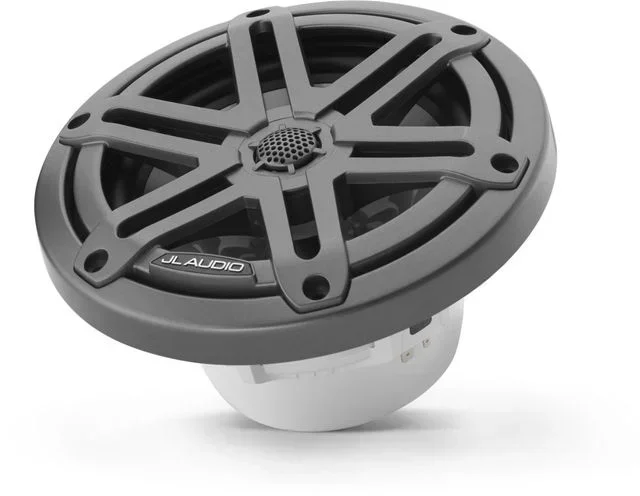
6.5 Inch Car Audio Speakers

Upgrading your sound system starts with choosing the right 6.5 inch car audio speakers. These versatile speakers fit most vehicles and deliver crisp highs and solid mids. Whether you want better podcasts or booming music, the right pair makes a huge difference. We will help you find the perfect match for your car and budget.
Upgrading your car sound system is one of the best ways to improve your daily drive. Music sounds better when you have clear vocals and tight bass. The first step is picking the right speakers. 6.5 inch car audio speakers are the standard choice for most vehicles. They fit in the front doors or rear decks of many cars and trucks.
You might wonder why this size is so popular. It is a balance between midrange clarity and low-end response. Smaller speakers struggle with bass, and larger ones might not fit your doors. This size offers the sweet spot for most listeners. In this guide, we will break down everything you need to know.
Key Takeaways
- Size Matters: 6.5 inch car audio speakers are the most common size and fit many factory locations.
- Power Handling: Check RMS power ratings to match your amplifier or head unit for best performance.
- Sensitivity Counts: High sensitivity speakers work better with low-power factory radios.
- Component vs Coaxial: Component speakers offer better sound staging, while coaxial units are easier to install.
- Material Quality: Look for polypropylene cones and rubber surrounds for durability and sound.
- Installation: Most 6.5 inch speakers install easily without major modifications to your car.
- Budget Wisely: You can get great sound without spending a fortune on premium brands.
📑 Table of Contents
Why Choose 6.5 Inch Car Audio Speakers
When you look at speaker sizes, you will see many options. However, the 6.5-inch format remains the king of car audio. Most factory speaker locations are designed for this size. This means you can upgrade without cutting holes in your doors. It saves you time and money on installation.
These speakers handle midrange frequencies very well. Vocals, guitars, and most instruments sit in this range. You get a clear and detailed soundstage. They also produce enough low-end to make music feel full. You do not need a massive subwoofer to enjoy your tunes.
Another benefit is the wide selection available. Many brands make 6.5 inch car audio speakers. You can find budget options or high-end models. This competition drives quality up and prices down. You have the freedom to choose based on your specific needs.
Compatibility With Most Vehicles
One of the biggest advantages is fitment. Nearly every sedan, SUV, and truck has spots for these speakers. You rarely need adapters or custom brackets. This makes them perfect for beginners. If you are upgrading a used car, this size is usually safe to assume.
Balance of Sound and Size
Sound quality depends on surface area. Larger speakers move more air for bass. Smaller speakers are quicker for highs. The 6.5-inch size sits in the middle. It provides a smooth transition between highs and lows. This results in a natural listening experience.
Key Features to Look For
Shopping for speakers can feel overwhelming. There are many numbers and terms on the box. You do not need to be an engineer to make a good choice. Focus on a few key specs that impact sound. These features determine how the speaker performs in your car.
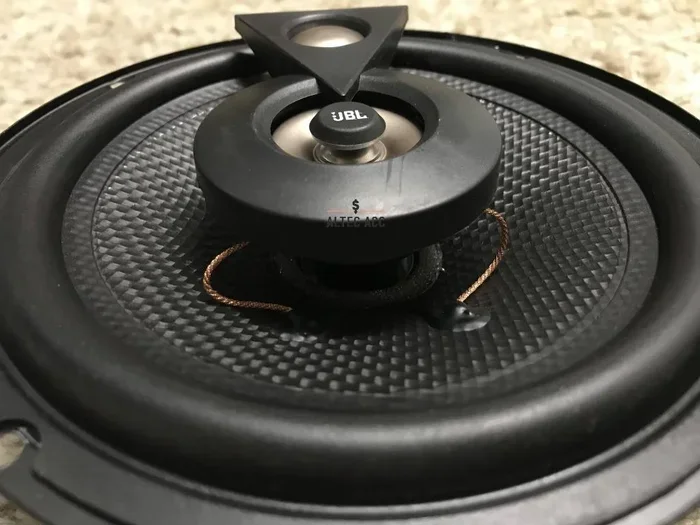
Visual guide about Close-up of 6.5 inch car audio speakers
Image source: media.karousell.com
Start with power handling. This tells you how much energy the speaker can take. RMS power is more important than peak power. RMS shows continuous handling ability. Next, look at sensitivity. This measures how loud the speaker gets with given power. High sensitivity helps if you have a low-power radio.
Power Handling and RMS Ratings
Many people confuse peak power with RMS. Peak power is the maximum burst a speaker can handle. RMS is what matters for daily listening. A good 6.5 inch car audio speakers pair should handle at least 50 watts RMS. This ensures they can handle your amplifier without distortion.
Sensitivity and Efficiency
Sensitivity is measured in decibels. A higher number means the speaker is more efficient. If you are not adding an amp, look for 90 dB or higher. This makes the most of your factory head unit. If you add an amp, you have more flexibility here.
Component vs Coaxial Designs
You will see two main types of designs. Coaxial speakers have all drivers in one basket. The tweeter sits in the middle of the woofer. They are simple and easy to install. Component speakers separate the tweeter and woofer. You mount them in different spots for better imaging.
Component systems sound more detailed. You hear instruments coming from specific locations. Coaxial speakers are more convenient. They fit in standard rectangular holes. Choose based on how much work you want to do.
Top Materials for Durability and Sound
The build quality determines how long speakers last. Cars face heat, cold, and moisture. Your speakers need to survive these conditions. The materials used in the cone and surround matter a lot. Cheap paper cones can warp over time.
Polypropylene is a common choice for cones. It is lightweight and resistant to moisture. This helps maintain sound quality in humid cars. Rubber surrounds are also critical. They connect the cone to the frame. Rubber lasts longer than foam in hot environments.
Cone Materials Explained
Metallic cones look cool but can be heavy. They might affect the transient response. Polypropylene is the standard for reliability. Some high-end models use carbon fiber. This reduces weight while keeping strength. For most users, polypropylene is a smart choice.
Surround Materials and Longevity
The surround flexes as the cone moves. Foam surrounds can dry out and crack. Rubber surrounds stay flexible for years. If you live in a hot climate, choose rubber. It protects your investment. Look for 6.5 inch car audio speakers with rubber edges for peace of mind.
Installation Tips for Beginners
Installing speakers is a rewarding DIY project. You can save on labor costs this way. Most cars have simple door panels that pop off. You just need a few basic tools. A screwdriver and a panel removal tool are usually enough. Take your time to avoid breaking clips.
Once the panel is off, you will see the old speaker. Remove the wiring harness from the back. Connect your new speaker to the same harness. Some speakers come with new adapters. This makes the job even easier. Secure the speaker with the provided screws.
Tools You Will Need
Gather your tools before starting. You will need a screwdriver set. Plastic pry tools help remove panels safely. Wire crimpers are useful for connections. Electrical tape protects your wiring. Having everything ready makes the process smooth.
Common Installation Challenges
Sometimes factory wiring is old or frayed. Check the wires before connecting new speakers. You might need to strip and reconnect them. Door hinges can also block wire passage. Feed the wire carefully to avoid pinching. Patience is key during this step.
Quick Tip:
Always disconnect your car battery before working on electronics. This prevents short circuits and protects your radio.
Comparing Speaker Types and Brands
There are many brands to choose from. Some focus on budget, while others focus on performance. Reading reviews helps narrow down the options. Look for brands with good warranties. This shows they stand behind their products.
You might also consider specific use cases. If you ride a motorcycle, you need different gear. For boats, you need marine grade options. But for standard cars, standard car speakers work best. Here is a quick comparison of common choices.
| Feature | Coaxial Speakers | Component Speakers |
|---|---|---|
| Installation | Easy, single unit | Complex, separate parts |
| Sound Stage | Good, focused | Excellent, wide imaging |
| Cost | Affordable | Higher price point |
| Best For | Daily driving, simplicity | Audiophiles, custom systems |
If you are interested in other sizes, you might look at 6 1 2 inch car speakers for tighter spaces. Some people prefer 6 x 9 inch car speakers for more bass output. However, the 6.5-inch size remains the most versatile for general upgrades.
Budget vs Premium Options
You do not need to spend a thousand dollars to hear better sound. Budget speakers have improved greatly in recent years. You can get decent performance for under fifty dollars per pair. These are great for used cars or temporary setups.
Premium speakers offer better materials and tuning. They often have better tweeters and crossovers. The soundstage is more precise. If you love music, the extra cost might be worth it. Think about how long you will keep the car.
When to Spend More
Spend more if you are building a custom system. High-end speakers need clean power to shine. If you have a good amplifier, premium speakers will show their potential. They handle distortion better at high volumes. This matters for loud listening environments.
When to Save Money
Save money if you are on a tight budget. Factory head units have limited power. Expensive speakers might not reach their full potential. A mid-range pair is often the sweet spot. You get good quality without breaking the bank.
Enhancing Your Sound System Further
Speakers are just one part of the chain. To get the best sound, consider the rest of the system. An amplifier adds clean power to drive the speakers. This reduces strain on your head unit. You get louder volume with less distortion.
A subwoofer adds deep bass that 6.5 inch car audio speakers cannot produce alone. This creates a full range experience. You feel the beat in your chest. Even a small subwoofer makes a big difference. Don’t forget about sound deadening material too.
The Role of Amplifiers
Many people ask if they need an amp. If you want loud, clear sound, yes. Factory radios often have weak internal amps. An external amp gives you headroom. You can turn up the volume without clipping. This protects your speakers from damage.
Adding a Subwoofer
Bass lovers should consider a sub. It takes the low frequencies off the main speakers. This lets the 6.5 inch car audio speakers focus on mids and highs. The result is clearer vocals. You get the best of both worlds.
Common Mistakes to Avoid
- Ignoring Impedance: Match speaker ohms to your amp specs to prevent overheating.
- Overpowering Speakers: Too much power can blow the voice coil instantly.
- Poor Wiring: Loose connections cause crackling and signal loss.
- Skipping Sound Deadening: Door panels vibrate and muddy the sound without treatment.
Maintenance and Care
Your new speakers need care to last. Keep them clean from dust and debris. Avoid exposing them to extreme moisture unless they are marine rated. If you wash your car, cover the speakers. Water can damage the electronics inside.
Check your wiring periodically. Vibrations can loosen connections over time. If you hear static, check the grounds. Proper maintenance ensures your system sounds great for years. Treat your audio gear with respect.
Cleaning Your Speakers
Use a soft dry cloth to wipe the cones. Do not use liquid cleaners directly on the speakers. Dust can accumulate on the surround. Gentle cleaning keeps them looking new. It also prevents dust from affecting movement.
Protecting from Elements
If you live in a salty or humid area, be extra careful. Corrosion can damage terminals. Use dielectric grease on connections. This seals out moisture. It is a small step that prevents big problems.
Final Thoughts on Upgrading
Upgrading to 6.5 inch car audio speakers is a smart move. It improves your driving experience every day. You enjoy your music more on commutes. The installation is manageable for most people. You have many options to fit your budget.
Remember to match the speakers to your power source. Consider if you need an amplifier later. Think about the type of music you listen to. Rock music might need punchy mids. Classical music needs detailed highs. Choose what fits your taste.
Take your time when shopping. Read reviews and compare specs. Do not rush into a purchase. The right speakers will make you smile every time you turn the key. Enjoy the journey of building your perfect sound system.
Frequently Asked Questions
What size speakers fit most cars?
Most cars and trucks are designed for 6.5-inch speakers in the front doors. This size is the industry standard for aftermarket upgrades. Always check your vehicle manual before buying to be sure.
Do I need an amplifier for 6.5 inch speakers?
You do not strictly need an amplifier if you are happy with moderate volume. However, an amp provides cleaner power and better control over the speakers. It is recommended for the best sound quality.
What is the difference between coaxial and component speakers?
Coaxial speakers have all drivers in one unit, making them easy to install. Component speakers separate the tweeters and woofers for better sound staging. Choose coaxial for simplicity and components for audiophile sound.
Can I install these speakers myself?
Yes, most 6.5 inch car audio speakers are designed for DIY installation. You typically need basic tools like screwdrivers and panel removers. Take your time to avoid damaging door panels.
What power rating should I look for?
Look for the RMS power rating rather than peak power. A rating between 50 to 100 watts RMS is good for most setups. Ensure your amplifier or head unit can match this output.
Are expensive speakers always better?
Not always, especially if your head unit has low power. Mid-range speakers often offer the best value for money. Expensive speakers shine when paired with a high-quality amplifier.