6.5 inch 2‑way speakers blend compact size with powerful sound, making them a favorite for car audio, home theater, and portable systems. This guide breaks down how they work, what to look for when buying, and practical tips to get the best performance out of your setup. Read on for expert advice, real‑world examples, and answers to common questions.
Key Takeaways
- Versatile size: 6.5 in speakers fit most car doors, bookshelf enclosures, and compact home‑theater cabinets.
- 2‑way design: A dedicated tweeter handles highs while the woofer covers mids and lows, delivering balanced sound.
- Power handling matters: Match RMS ratings to your amp to avoid distortion or damage.
- Impedance choice: 4 Ω and 8 Ω options affect amp load; wiring two speakers in series can change overall impedance.
- Material matters: Look for rubber surrounds, polypropylene cones, and quality dome tweeters for durability.
- Installation tips: Proper mounting, sealing, and crossover tuning can unlock the full potential of 6.5 in 2‑way speakers.
- Top picks: Brands like JL Audio, Rockford Fosgate, and Alpine consistently receive high marks for clarity and power.
📑 Table of Contents
- Introduction: Why 6.5 Inch 2‑Way Speakers Have Grown So Popular
- How a 2‑Way Speaker Works
- Key Specifications to Compare
- Choosing the Right 6.5 Inch 2‑Way Speakers for Your Application
- Installation Tips to Get the Most Out of Your Speakers
- Top 5 6.5 Inch 2‑Way Speakers in 2024
- Maintaining Your 6.5 Inch 2‑Way Speakers
- Conclusion: Making the Most of Your 6.5 Inch 2‑Way Speakers
Introduction: Why 6.5 Inch 2‑Way Speakers Have Grown So Popular
When you walk into a car audio shop or scan the shelves of an online store, you’ll see the 6.5 inch speaker everywhere. It’s the sweet spot between tiny coaxials that struggle with bass and massive sub‑woofers that demand huge enclosures. The 6.5 inch size gives you enough surface area to move air, while still fitting into tight spaces.
Adding a 2‑way design takes the versatility a step further. By splitting the audio spectrum between a dedicated tweeter and a woofer, manufacturers can fine‑tune each driver for its optimal range. The result is clearer highs, tighter mids, and surprisingly deep lows for a speaker of this size. Whether you’re upgrading a sedan, building a bookshelf system, or looking for a rugged marine speaker, a 6.5 inch 2‑way unit is often the answer.
How a 2‑Way Speaker Works
What “2‑Way” Really Means
In a 2‑way speaker, two separate drivers share the job of reproducing sound:

Visual guide about 6.5 Inch 2 Way Speakers
Image source: pngimg.com
- Woofer (or mid‑bass driver): Usually a 6.5 inch cone that handles frequencies from about 40 Hz up to 2–3 kHz.
- Tweeter: A small dome or horn that takes over from roughly 2 kHz to 20 kHz, giving you crisp highs.
The two drivers are linked by a crossover, an electronic filter that directs low frequencies to the woofer and high frequencies to the tweeter. A well‑designed crossover prevents overlap, reduces distortion, and creates a smooth transition that the ear perceives as a single, cohesive sound source.
Crossover Types for 6.5 Inch Speakers
Most factory‑installed 2‑way speakers use a passive crossover built into the speaker cabinet. The two common designs are:
- 2‑Way (12 dB/octave) Crossover: Uses a simple high‑pass for the tweeter and a low‑pass for the woofer. It’s cheap and works well for most consumer applications.
- 3‑Way Crossover (if present): Rare in a 6.5 in unit, but some premium models add a mid‑range driver. For more on crossovers, see our article on 3 Way Crossover For Speakers.
Key Specifications to Compare
Power Handling (RMS vs. Peak)
RMS (Root Mean Square) rating tells you the continuous power a speaker can handle without damage. Peak rating is the short‑term maximum. A safe rule of thumb: choose an amp that delivers about 75 % of the speaker’s RMS rating.

Visual guide about 6.5 Inch 2 Way Speakers
Image source: svgsilh.com
Impedance
Most 6.5 inch 2‑way speakers come in 4 Ω or 8 Ω. Impedance determines how much current the amp must supply. Lower impedance draws more current, which can be great for powerful amps but may overheat a weak head unit. If you plan to wire two speakers together, consider the 2 8 Ohm Speakers In Series guide to keep the total load within your amp’s safe range.
Sensitivity
Measured in dB SPL (Sound Pressure Level) at 1 W/1 m, sensitivity indicates how loudly a speaker will play for a given amount of power. Higher sensitivity (≥ 90 dB) means you can get more volume from a modest amp.
Frequency Response
Look for a range that starts near 40 Hz and extends to at least 20 kHz. Wider ranges give you more headroom, but the real test is how flat the response is across that span.
Choosing the Right 6.5 Inch 2‑Way Speakers for Your Application
Car Audio
In a vehicle, space is limited and road noise is a constant challenge. Choose speakers with:
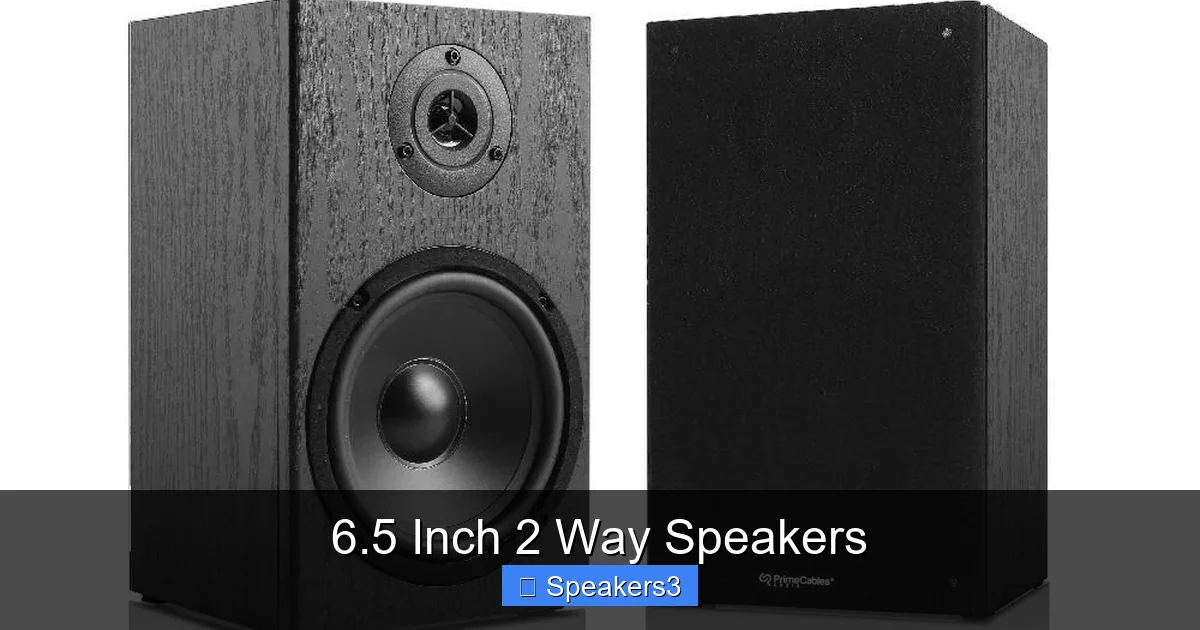
Visual guide about 6.5 Inch 2 Way Speakers
Image source: d3e54emdgoy1fq.cloudfront.net
- Rubber surrounds for durability against temperature swings.
- High sensitivity (≥ 92 dB) to cut through engine roar.
- Water‑resistant tweeters if you drive in rainy climates.
A popular choice among car enthusiasts is the JL Audio 6.5 Marine Speakers, praised for its marine‑grade construction and punchy mids.
Home Theater & Bookshelf Systems
When the speakers sit on a shelf or inside a small cabinet, you have more freedom to prioritize sound quality over ruggedness. Look for:
- Paper or kevlar cones for smoother mid‑bass.
- Soft‑dome tweeters for airy highs.
- Enclosures that are sealed or ported, depending on your bass preference.
For a DIY project, pairing a 6.5 in 2‑way speaker with a 15‑inch pro studio monitor can give you a balanced front‑left/right pair while keeping the center channel tight.
Marine and Outdoor Use
Saltwater, UV exposure, and vibration demand extra protection. Marine‑rated 6.5 inch 2‑way speakers use corrosion‑resistant magnets, UV‑stable cones, and sealed tweeter chambers. The JL Audio marine line mentioned earlier is a benchmark.
Installation Tips to Get the Most Out of Your Speakers
Mounting and Sealing
A secure mount prevents rattling. Use the supplied brackets or a universal mounting kit. Apply a thin bead of automotive‑grade silicone around the speaker’s edge to seal against air leaks, which can cause unwanted bass boom or loss of efficiency.
Wiring Practices
Use 16‑gauge speaker wire for runs under 10 ft; go to 14‑gauge for longer distances. Keep polarity consistent (positive to positive, negative to negative) to avoid phase cancellation.
If you need to connect two 4 Ω speakers to a 4 Ω amp, wire them in series (4 Ω + 4 Ω = 8 Ω) or parallel (4 Ω || 4 Ω = 2 Ω) depending on your amp’s tolerance. The series method is explained in detail in the 2 8 Ohm Speakers In Series article.
Crossover Tuning
Factory crossovers are set for general use, but you can fine‑tune them:
- Raise the high‑pass frequency by 200 Hz if the tweeter sounds harsh.
- Lower the low‑pass point by 100 Hz if you want more bass, but watch for woofers “bottom‑out.”
Simple DIY crossover kits are inexpensive and let you experiment without soldering.
Breaking In Your New Speakers
Most manufacturers recommend a 10‑hour break‑in period at moderate volume. This lets the cone and surround settle into their optimal shape, improving linearity.
Top 5 6.5 Inch 2‑Way Speakers in 2024
1. JL Audio 6.5 Marine Series
Water‑proof, high‑sensitivity (93 dB), and a solid 75 W RMS rating. Ideal for boats and cars that see a lot of rain.
2. Rockford Fosgate Punch P1650
Features a polypropylene cone and a silk‑dome tweeter. Good value for beginners, with 70 W RMS and a smooth frequency response.
3. Alpine R‑S65C
Known for its clear mids and tight bass, thanks to a rigid aluminum frame. Comes with a 4 Ω impedance, perfect for most aftermarket amps.
4. Kicker 46CSC654
Delivers punchy low‑mid performance, great for bass‑heavy music genres. Includes a built‑in 2‑way crossover and a 70 W RMS handling.
5. Polk Audio DB652
Offers a balanced soundstage with a silk dome tweeter and a woven fiber cone. Its 85 dB sensitivity makes it a good match for low‑power head units.
Maintaining Your 6.5 Inch 2‑Way Speakers
Regular Cleaning
Dust can dampen cone movement. Use a soft brush or compressed air to clean the grille and cone surface. Avoid solvents that could damage the surround.
Checking for Damage
Inspect the tweeter for torn diaphragms and the cone for cracks after high‑volume sessions. Replace damaged drivers promptly to avoid distortion.
Upgrading Components
Enthusiasts often swap factory tweeters for higher‑end units or add external crossovers for more precise control. If you’re comfortable with soldering, these upgrades can dramatically improve clarity.
Conclusion: Making the Most of Your 6.5 Inch 2‑Way Speakers
6.5 inch 2‑way speakers strike a perfect balance between size, power, and sound quality. By understanding the core specs—impedance, sensitivity, and crossover design—you can select a pair that fits your vehicle, home theater, or marine setup. Follow the installation and maintenance tips above, and you’ll enjoy clear, punchy audio for years to come. Whether you opt for a budget‑friendly Rockford Fosgate or a premium JL Audio marine model, the right 6.5 inch 2‑way speakers will elevate your listening experience without breaking the bank.
Frequently Asked Questions
What does “2‑way” mean in speaker terminology?
A 2‑way speaker uses two separate drivers—a woofer for low/mid frequencies and a tweeter for high frequencies—connected by a crossover that directs each frequency band to the appropriate driver.
Can I use a 6.5 inch 2‑way speaker in a home‑theater bookshelf?
Yes. Their compact size makes them ideal for bookshelf enclosures, and the 2‑way design provides balanced mids and highs suitable for movies and music.
Do I need a separate crossover for these speakers?
Most factory‑installed 6.5 inch 2‑way speakers include a built‑in passive crossover. However, audiophiles often add an external crossover for finer tuning.
How do I match my amp’s power to the speaker’s RMS rating?
Choose an amp that can deliver about 75 % of the speaker’s RMS rating continuously. This ensures clean sound without risking distortion or damage.
Is it safe to wire two 4 Ω speakers in parallel?
Parallel wiring of two 4 Ω speakers results in a 2 Ω load, which can overload many head‑unit amplifiers. Check your amp’s specifications before doing so.
What maintenance steps keep my speakers sounding great?
Regularly dust the cones and grilles, inspect for torn surrounds or tweeter damage, and keep the speakers sealed against moisture, especially in marine environments.