Is Russian Hard to Learn for Spanish Speakers
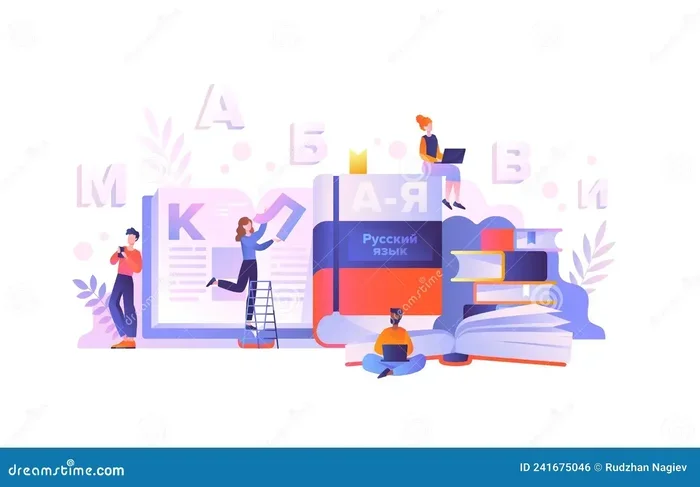
Is Russian hard to learn for Spanish speakers? The short answer is yes, but it is not impossible. You will face new alphabets, complex grammar, and different sounds. However, with the right plan and steady practice, you can build strong skills over time. This guide breaks down the real challenges and shows you simple ways to move forward with confidence.
Many people ask is Russian hard to learn for Spanish speakers before they start. It is a smart question. You want to know what you are stepping into. You also want a clear path that fits your daily life. Learning a new language is a big commitment. It takes time, patience, and a good plan. The good news is that you can make real progress when you focus on the right steps.
Spanish and Russian sit in very different language families. Spanish comes from Latin. Russian comes from the Slavic branch. That difference shapes everything you will see on the page and hear in conversation. You will notice new letters, new sounds, and new grammar rules. At first, this can feel overwhelming. Still, many learners move past the early hurdles with steady practice. You do not need perfect memory or special talent. You need clear goals and regular exposure.
In this guide, we will look at the real challenges and the practical solutions. We will talk about the alphabet, grammar, vocabulary, pronunciation, and daily study habits. You will also find simple tips that fit busy schedules. If you want to know is Russian hard to learn for Spanish speakers, this article gives you a honest and useful answer. Let us walk through the details together.
Key Takeaways
- Different writing system: You must learn the Cyrillic alphabet before reading or writing comfortably.
- Grammar complexity: Russian uses six cases and flexible word order, which differs from Spanish structure.
- Pronunciation hurdles: New consonant sounds and stress patterns can challenge Spanish-speaking ears.
- Vocabulary gaps: Few direct cognates exist, so you will build most words from scratch.
- Consistent practice matters: Short daily sessions work better than long, irregular study bursts.
- Smart resources help: Audio lessons, flashcards, and simple conversations speed up progress.
- Realistic timeline: Expect months of steady work before reaching basic comfort in everyday topics.
📑 Table of Contents
- Why the Alphabet Is Your First Big Step
- Grammar Differences That Matter Most
- Vocabulary Building for Spanish Speakers
- Pronunciation and Listening Challenges
- How to Build a Study Routine That Works
- Common Mistakes and How to Avoid Them
- Expert Insights for Faster Progress
- Final Thoughts on the Learning Journey
Why the Alphabet Is Your First Big Step
The very first challenge is the writing system. Russian uses the Cyrillic alphabet. Spanish uses the Latin alphabet. This means you cannot rely on the letters you already know. You will see familiar shapes that sound completely different. For example, the Russian letter В sounds like V, not B. The letter Н sounds like N, not H. The letter Р makes a rolled R sound. These small differences can confuse beginners at the start.
You should treat the alphabet as a separate mini-project. Learn the most common letters first. Practice reading simple words out loud. Write the letters by hand to build muscle memory. Use flashcards with a letter on one side and a sound on the other. Keep your early lessons short and focused. Within a few days, you will start recognizing patterns. Within a couple of weeks, you can read basic signs, names, and simple words.
Practical Ways to Learn Cyrillic Faster
You can speed up the process with a few simple habits. Try these ideas:
- Group similar letters: Study letters that look like Latin letters first, then tackle the rest.
- Read aloud daily: Say each letter and simple word out loud to connect sight and sound.
- Use labels at home: Put sticky notes on common items with their Russian names.
- Practice with short texts: Start with menus, signs, or basic dialogues instead of long articles.
This approach keeps the task manageable. You do not need to master every letter in one sitting. Small wins build confidence. And confidence matters a lot when you ask is Russian hard to learn for Spanish speakers. The alphabet feels strange only until your eyes adjust.
Grammar Differences That Matter Most
Grammar is where many Spanish speakers feel the biggest shift. Spanish relies on clear verb endings and a relatively fixed sentence order. Russian uses a case system. That means word endings change based on the role a word plays in the sentence. You will see this in nouns, pronouns, and adjectives. The idea can feel abstract at first, but it becomes clearer with examples.
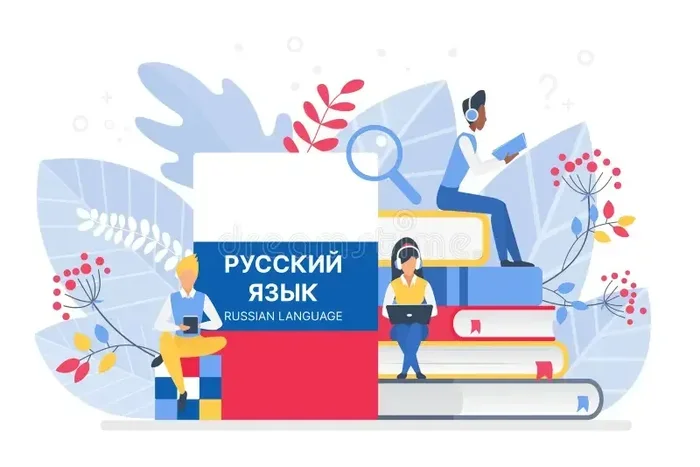
Visual guide about Russian language learning concept
Image source: thumbs.dreamstime.com
Russian has six main cases. Each case answers a different question. The nominative case names the subject. The genitive case shows possession or absence. The dative case points to a recipient. The accusative case marks the direct object. The instrumental case shows means or accompaniment. The prepositional case usually relates to location or topic. You do not need to memorize every rule on day one. You only need to notice patterns in real sentences.
How Word Order Works in Russian
Spanish often follows a subject-verb-object pattern. Russian is more flexible. You can move words around to change emphasis. This freedom is useful, but it can also feel confusing. A sentence may still be correct even when the parts shift places. The meaning often depends on context and stress. That is why listening and reading matter so much. You start to feel the rhythm of the language before you fully explain it.
Here is a simple comparison to keep in mind:
- Spanish: La chica lee el libro.
- Russian idea: The girl reads the book, but endings change to show who does what.
- Key difference: Spanish uses prepositions and verb forms more often, while Russian changes word endings.
When you wonder is Russian hard to learn for Spanish speakers, grammar is usually the main reason. The good news is that you can learn it in layers. Start with present tense sentences. Add basic cases slowly. Practice with short dialogues. Do not try to learn every exception at once. Real language use comes first. Perfect rule recall comes later.
Vocabulary Building for Spanish Speakers
Vocabulary is another area where the two languages differ. Spanish has many words shared with English and other Romance languages. Russian does not offer the same number of direct similarities. You will not find a long list of easy cognates. That means you will spend more time building new word maps from the ground up. This can feel slow, but it is normal.
You can still use smart strategies. Focus on high-frequency words first. Learn the words you will actually use in daily life. Build small themed lists such as food, travel, family, and daily routines. Connect each new word to a picture or a personal example. Your brain remembers stories better than isolated lists. If you tie a word to a real moment, it sticks longer.
Memory Tricks That Help New Words Stick
You can make vocabulary feel less heavy with simple habits:
- Learn in chunks: Study short phrases instead of single words when possible.
- Use spaced repetition: Review words at increasing intervals to keep them fresh.
- Say them out loud: Speaking helps lock the sound and meaning together.
- Label your world: Place notes on objects you see every day.
- Reuse words quickly: Use each new word in a sentence the same day you learn it.
This kind of active use matters a lot. You are not just storing words. You are training your brain to retrieve them. That is the real goal. When people ask is Russian hard to learn for Spanish speakers, they often worry about vocabulary size. The answer is that vocabulary grows faster when you use words in context. A smaller set of useful words can still support real conversation.
Pronunciation and Listening Challenges
Sound is where Spanish speakers often notice the biggest difference. Spanish has a clear, open sound system. Russian includes sounds that do not exist in Spanish. Some consonants are softer or harder depending on their position. Vowel reduction also changes the way words sound in natural speech. You may hear a word that looks different from how it is written. This can be frustrating at first, but it gets easier with exposure.
Stress is another important feature. Russian words have stressed syllables that can change the feel of the word. Sometimes stress can even affect meaning or recognition. Spanish stress is more predictable in many cases. Russian stress is less regular. You will need to listen carefully and repeat often. Do not worry if you miss a sound at first. Your ear will adjust over time.
Listening Tips for Beginners
You can train your ear with simple daily habits:
- Start with slow audio: Use beginner podcasts or clearly spoken dialogues.
- Repeat short clips: Play a sentence, pause, and say it back.
- Focus on rhythm: Notice which syllables stand out in each phrase.
- Watch with support: Use subtitles in the beginning, then reduce them gradually.
- Listen for key words: Try to catch the main idea before analyzing every sound.
These habits help you move from confusion to recognition. Listening is not about perfection. It is about patterns. The more you hear the language, the more natural it feels. If you are still asking is Russian hard to learn for Spanish speakers, remember that pronunciation improves with repetition. You do not need a perfect accent to communicate well. Clear, steady practice matters more than flawless sound.
How to Build a Study Routine That Works
A good routine can make a difficult language feel much more manageable. You do not need hours every day. You need consistency. Short sessions spread across the week work better than one long session that leaves you tired. Think of language learning like exercise. Regular movement builds strength. Irregular bursts do not.
Start with a simple plan. Choose one small goal for each day. For example, learn five new words, review ten flashcards, or listen to one short audio clip. Then add a weekly focus. One week you may work on the alphabet. Another week you may practice present-tense verbs. Another week you may focus on listening. This keeps your study balanced and less overwhelming.
A Simple Weekly Plan You Can Use
Here is a light routine that fits busy schedules:
- Monday: Review alphabet and read five short words aloud.
- Tuesday: Learn ten common nouns and use them in simple sentences.
- Wednesday: Listen to a beginner audio clip and repeat key phrases.
- Thursday: Practice verb forms in present tense with three short examples.
- Friday: Write five sentences about your day using new words.
- Saturday: Watch a short video or have a brief conversation if possible.
- Sunday: Rest, review, and plan the next week.
This kind of plan keeps progress steady. It also helps you answer is Russian hard to learn for Spanish speakers with a calmer mindset. The language is challenging, but your routine can make it feel orderly. Small tasks add up. Over time, you will notice that words come faster and sentences feel more natural.
You should also track what works. Some people learn better with audio. Others prefer writing. Some need conversation. Pay attention to your own results. If a method feels boring or confusing, adjust it. The best routine is the one you can actually keep.
Common Mistakes and How to Avoid Them
Many learners make similar mistakes early on. Knowing them in advance can save you time. One common mistake is trying to translate everything word for word. Spanish and Russian do not line up neatly. Direct translation often creates awkward sentences. Instead, learn phrases as whole units. That helps you sound more natural.
Another mistake is ignoring pronunciation until later. Some learners focus only on reading and grammar. Then they struggle when they try to speak. It is better to practice sound from the beginning. You do not need a perfect accent. You do need clear habits. Say words out loud. Record yourself. Compare your speech with native audio when you can.
Quick Mistakes to Watch For
Keep an eye on these common traps:
- Overstudying rules: Too much grammar at once can slow real communication.
- Waiting for perfection: Speaking early, even imperfectly, builds confidence.
- Ignoring listening: Understanding comes from hearing the language often.
- Learning rare words first: Focus on useful, everyday vocabulary.
- Skipping review: Without repetition, new words fade quickly.
Avoiding these mistakes does not make Russian easy. It makes your work more efficient. That is an important difference. When people ask is Russian hard to learn for Spanish speakers, they often compare their progress to unrealistic expectations. Progress is usually steady, not instant. Small errors are part of the process. The goal is to keep moving.
Expert Insights for Faster Progress
Experienced language learners usually share a few common ideas. First, they focus on input. They read and listen a lot, even when they do not understand every word. This exposure helps the brain notice patterns. Second, they use the language early. They say simple things before they feel ready. That practice turns knowledge into skill. Third, they stay consistent. They accept slow days and keep going anyway.
You can apply these ideas right away. Read short texts that interest you. Listen to audio that matches your level. Speak to yourself, a tutor, or a language partner when possible. Keep your materials simple. Clear goals work better than complicated plans. And remember that motivation changes. Habits carry you further than excitement alone.
If you want a practical mindset, think of Russian as a series of small doors. The alphabet is the first door. Basic phrases are the next. Simple grammar is another. Listening is another. You do not open every door at once. You open one, walk through, and then open the next. That is how most successful learners actually move forward.
Final Thoughts on the Learning Journey
So, is Russian hard to learn for Spanish speakers? Yes, it has real challenges. The alphabet is new. The grammar uses cases. The sounds are different. The vocabulary does not overlap much. These facts are true. But difficulty is not the same as impossibility. Many Spanish speakers learn Russian with patience and the right habits. You can too.
The key is to keep your steps small and clear. Learn the alphabet first. Build useful vocabulary. Practice listening often. Use simple grammar in real sentences. Review regularly. Accept mistakes as part of learning. Over time, the language becomes less foreign and more familiar. You will start to recognize words faster. You will understand more in conversations. You will feel more confident speaking, even if you still make errors.
If you stay steady, you will look back in a few months and see progress you did not notice day by day. That is the real reward. Russian asks for effort, but it also gives a strong sense of achievement. Take it one lesson at a time. Keep your routine simple. Keep your goals realistic. You can do this.
Frequently Asked Questions
Is Russian hard to learn for Spanish speakers at the beginner level?
Yes, the beginning is usually the hardest part because you must learn the Cyrillic alphabet and adjust to new sounds. After that, progress becomes easier when you study a little every day.
How long does it take a Spanish speaker to learn basic Russian?
It depends on your study time, but many learners reach basic comfort after several months of steady practice. Short daily sessions work better than occasional long sessions.
What is the hardest part of Russian for Spanish speakers?
Most learners struggle with the case system, word stress, and unfamiliar consonant sounds. Listening and pronunciation usually feel challenging at first.
Can Spanish speakers use English to help learn Russian?
Sometimes, especially with basic study terms or international words, but the two languages are not closely related. You will still need to build most vocabulary and grammar from scratch.
Should I focus on grammar or vocabulary first in Russian?
It is best to learn both in small amounts, but early vocabulary and simple phrases help you speak sooner. Grammar becomes more useful once you already have some words to work with.
Is Russian hard to learn for Spanish speakers if they already know another language?
Knowing another language can help you learn how to study and how to notice patterns, but Russian still has its own challenges. Prior language experience may make the process a little smoother, though not easy.