Back Speakers Not Working in Car
Is your music missing from the back seat? Back speakers not working in car issues are frustrating but often easy to fix. You will learn the common causes and simple solutions in this guide. We cover wiring, fuses, and settings to help you hear clearly again. Get your rear sound back on track with our expert tips.
Key Takeaways
- Check the basics first: Ensure volume is up and fade settings are correct before inspecting hardware.
- Inspect fuses: A blown fuse is a common reason for back speakers not working in car audio systems.
- Examine wiring: Loose or corroded wires behind the rear panels often cause sound failure.
- Test the amplifier: If your car has an amp, ensure it is receiving power and signal.
- Consider speaker age: Old speakers may blow out due to wear or excessive volume over time.
- Look for static: Interference can sometimes mute rear channels or cause distortion instead of clear sound.
- Seek professional help: If DIY fixes fail, a specialist can diagnose complex car audio troubleshooting issues.
📑 Table of Contents
- Why Back Speakers Not Working in Car Issues Happen
- Check Your Car Audio Settings First
- Inspect Fuses and Power Connections
- Examine Wiring and Speaker Connections
- Test the Speakers and Amplifiers
- Look for Interference and Grounding Issues
- When to Call a Professional
- Preventing Future Speaker Problems
- Conclusion
Why Back Speakers Not Working in Car Issues Happen
There is nothing worse than driving down the road and realizing your music is only coming from the front. You turn up the volume, but the rear remains silent. This is a common problem many drivers face. Back speakers not working in car scenarios can stem from many different sources. Sometimes it is a simple setting. Other times it is a broken wire.
We understand how annoying this is. You want to enjoy your drive. You want your passengers to hear the music too. When the rear sound cuts out, it feels like the car is broken. But often, the fix is easier than you think. In this guide, we will walk you through what to check. We will keep things simple so you do not need to be an expert.
First, you need to know that car audio systems are complex. They have head units, amplifiers, and speakers. A break in any part of this chain stops the sound. We will help you find the break. Let us dive into the details so you can fix the issue.
Check Your Car Audio Settings First
Before you start pulling wires, check the basics. Often, the problem is just a setting on your stereo. Many people overlook this step. It is the easiest fix. You should look at your fade and balance controls. If the fade is set all the way to the front, the back will be silent.
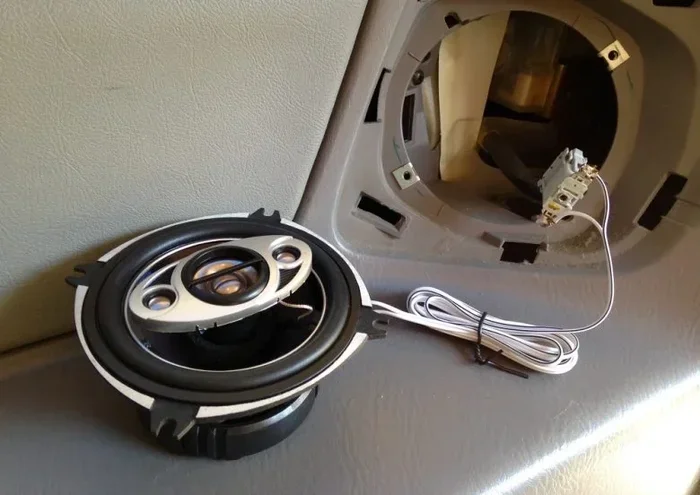
Visual guide about car rear speakers installation
Image source: howstereo.com
Here is what you should check on your dashboard:
- Fade Settings: Make sure the sound is balanced between front and rear.
- Volume Levels: Ensure the overall volume is high enough to hear the rear speakers.
- Audio Sources: Try different inputs like Bluetooth, radio, or AUX to see if the issue is source-specific.
- Loudness Buttons: Some stereos have buttons that boost bass or treble which might affect rear output.
If your settings look correct, try resetting the stereo. Turn the car off and on again. Sometimes the system just needs a refresh. If you have a touchscreen, check for any software updates. Old software can cause glitches. These small steps often solve car audio troubleshooting problems without any tools.
Inspect Fuses and Power Connections
If settings are fine, look at the power. Your speakers need electricity to make sound. A blown fuse is a very common reason for back speakers not working in car systems. Fuses protect your electronics from power surges. When too much power flows, the fuse blows to stop damage. This cuts power to the speakers.
You can find the fuse box in different places. Check your owner’s manual for the location. It is often under the dashboard or in the engine bay. Look for the fuse labeled for the audio system or rear speakers. Here is how to check it:
- Locate the Fuse: Find the specific fuse for your audio system.
- Visual Check: Look at the metal wire inside the fuse. If it is broken, the fuse is bad.
- Swap Test: Replace it with a new fuse of the same rating.
- Test Sound: Turn on the car and see if the sound returns.
Power connections can also loosen over time. Vibration from driving can shake wires loose. Check the connections at the head unit and the amplifier. If you have an external amp, ensure it is getting power. A loose ground wire can also cause issues. Tighten any loose screws you find. This simple check can restore your rear sound failure quickly.
Examine Wiring and Speaker Connections
Wiring is often the culprit when fuses are fine. Wires run through the doors and panels. They can get pinched or worn out. Over time, the insulation breaks down. This leads to short circuits or open circuits. When the wire breaks, the signal cannot reach the speaker.
You may need to remove some panels to see the wires. Be careful not to break any clips. Look for wires that are cracked or corroded. Corrosion looks like green or white powder on the metal. This blocks the electrical signal. Clean any corrosion with a wire brush. If the wire is broken, you will need to splice it.
Here are signs of wiring issues:
- Intermittent Sound: The sound cuts in and out as you drive.
- Static Noise: You hear buzzing or crackling before the sound stops.
- Visible Damage: You see cuts or fraying on the wire insulation.
- Loose Terminals: The metal connectors are not tight against the speaker.
If you find bad wiring, repair it carefully. Use electrical tape or heat shrink tubing. Make sure the connection is solid. Loose wires cause static noise from speakers in car issues too. A good connection ensures clear sound. If you are not comfortable with wiring, ask a friend for help. Safety is important when working with car electronics.
Test the Speakers and Amplifiers
Sometimes the speakers themselves are dead. Speakers have cones and coils inside. These parts can wear out. If you play music too loud for too long, the coil can burn. This is called a blown speaker. You might hear distortion before the sound stops completely.
To test the speaker, you can use a multimeter. Set it to measure resistance. Touch the probes to the speaker terminals. You should get a reading. If the meter shows infinite resistance, the coil is open. This means the speaker is dead. If you do not have a multimeter, try swapping the speaker with a known good one. If the new speaker works, the old one was broken.
If your car has an amplifier, check that too. The amp boosts the signal for the speakers. If the amp fails, the speakers get no signal. Check the indicator lights on the amp. If there are no lights, it might not be turning on. Ensure the remote turn-on wire is connected. This wire tells the amp when to wake up.
Consider these points when testing:
- Speaker Age: Old speakers are more likely to fail due to wear.
- Amp Settings: Check gain and crossover settings on the amplifier.
- Signal Input: Ensure the RCA cables are plugged in tightly at the amp.
- Heat Damage: Look for burn marks on the speaker or amp components.
If you are wondering about power needs, you might ask, do I need an amplifier for my car speakers. While factory systems often do not use external amps, aftermarket setups usually do. If you added an amp recently, check its settings. Improper gain settings can clip the signal and damage speakers. Proper setup prevents car speaker repair needs in the future.
Look for Interference and Grounding Issues
Sometimes the problem is not a break but interference. Electrical noise can disrupt the audio signal. This often sounds like static or whining. This noise can be so bad it drowns out the music. You might notice this when you accelerate. The noise changes with engine speed.
This is often a grounding issue. Your audio system needs a good ground to work well. If the ground wire is loose, noise enters the system. Check where the ground wire connects to the car chassis. Remove any paint or rust at the connection point. Metal must touch metal for a good ground.
Other sources of interference include:
- Alternator Whine: A high-pitched noise that changes with RPM.
- Radio Frequency: Signals from phones or other devices interfering with wiring.
- Poor Shielding: Unshielded cables picking up noise from engine components.
- Aftermarket Devices: New electronics installed in the car causing conflicts.
If you hear static, check your ground connections first. Move the ground wire to a cleaner spot on the chassis. Also, check the power wire route. It should not run too close to the audio cables. Crossing them at ninety degrees reduces interference. Fixing grounding issues often solves back speakers not working in car problems caused by noise.
When to Call a Professional
You can fix many issues yourself. But some problems need an expert. If you have checked everything and still have no sound, it might be complex. Modern cars have integrated systems. Messing with them can void warranties. If your car is under warranty, talk to the dealer first.
Also, if you are not comfortable with tools, seek help. Working with car electricity carries risks. You do not want to short out other systems. A professional car audio shop has the right tools. They can diagnose issues quickly. They can also install new parts if needed. Sometimes replacing the head unit is the best solution.
Consider calling a pro if:
- Dashboard Errors: You see warning lights related to the electrical system.
- Complex Wiring: You cannot find the wires or they are hidden deeply.
- Multiple Failures: Both front and rear speakers stop working at once.
- Warranty Concerns: You want to avoid voiding your car’s warranty.
Professional help saves time and stress. They can also upgrade your system. If your speakers are old, they might suggest new ones. New car speakers with built in amplifier options exist for some setups. This can improve sound quality too. Do not struggle alone if the fix is too hard.
Preventing Future Speaker Problems
Once you fix the issue, keep it fixed. Prevention is better than cure. Take care of your audio system. Do not blast the volume all the way up constantly. This stresses the speakers. Keep the wiring clean and tight. Check connections during regular car maintenance.
Here are tips to keep your system healthy:
- Moderate Volume: Avoid max volume for long periods to prevent heat damage.
- Regular Checks: Inspect visible wires for wear during cleaning.
- Quality Parts: Use high-quality fuses and wires when replacing parts.
- Clean Connections: Keep terminals free from corrosion and dirt.
If you notice small issues, fix them early. A little static now can become silence later. Taking care of your car audio ensures you enjoy every drive. You do not want to be stuck with back speakers not working in car again. A little maintenance goes a long way.
Conclusion
Dealing with back speakers not working in car issues is frustrating but solvable. Start with the simple checks like settings and fuses. Then move to wiring and hardware tests. Most problems come from loose connections or blown fuses. With patience, you can restore your rear sound. Enjoy your music fully again.
Frequently Asked Questions
Why did my rear car speakers stop working suddenly?
Sudden failure often points to a blown fuse or a loose wire caused by vibration. Check your audio settings first to ensure the fade is not set to the front only. If settings are correct, inspect the fuse box for a tripped fuse.
Can a blown fuse cause back speakers not working in car?
Yes, a blown fuse cuts power to the audio system or specific channels. This is one of the most common reasons for rear sound failure. Replacing the fuse with the correct rating usually restores the function.
How do I test if my car speakers are blown?
You can test speakers using a multimeter to check for resistance continuity. If there is no reading or you hear crackling when playing music, the speaker may be damaged. Swapping with a known working speaker confirms the issue.
What causes static noise before the speakers stop working?
Static noise often indicates wiring issues or interference from other electrical components. It can also signal a failing amplifier or loose ground connection. Addressing these grounding or wiring problems often stops the noise and restores sound.
Do I need an amplifier for my car speakers to work in the back?
Factory systems often power rear speakers directly from the head unit without a separate amp. However, aftermarket systems usually require an amplifier for sufficient power. Check your specific car setup to see if an external amp is part of the chain.
Where can I find help if my car audio troubleshooting fails?
If DIY fixes do not work, visit a professional car audio installation shop. They have specialized tools to diagnose complex electrical issues safely. You can also consult your vehicle’s manual for specific fuse and wiring diagrams.