Is Mini Usb Obsolete

Is Mini Usb obsolete? The short answer is yes, for most people. Mini USB connectors have been largely replaced by Micro USB and now USB-C. However, some older devices still rely on Mini USB, and understanding this shift helps you make better connectivity decisions. Let us explore why Mini USB is fading and what took its place.
Key Takeaways
- Mini USB is largely obsolete: Most modern devices have moved to Micro USB or USB-C connectors.
- USB-C offers major advantages: Faster data transfer, reversible design, and higher power delivery make it the clear winner.
- Some older devices still use Mini USB: Certain cameras, game controllers, and legacy gadgets still depend on this connector type.
- Adapters keep old devices usable: You can still connect Mini USB devices using simple adapters to modern ports.
- The transition happened fast: From 2008 to today, the industry shifted completely away from Mini USB in just over a decade.
- Know your cable needs: Understanding connector types saves money and prevents compatibility headaches.
📑 Table of Contents
The Rise and Fall of Mini USB
Remember when every gadget used the same small USB connector? That was the Mini USB era. It dominated the tech world for years. From digital cameras to MP3 players, Mini USB was everywhere. But times have changed. Today, most of us never even see a Mini USB port.
The Mini USB connector first appeared in the early 2000s. It was a smaller version of the standard USB Type A plug. Manufacturers loved it because it fit into tight spaces on portable devices. It became the go-to connector for cameras, GPS units, and portable music players. For a while, it seemed like Mini USB would be around forever.
What Was Mini USB Exactly?
Mini USB, formally known as USB Mini-B, was a compact connector design. It came in a 5-pin version and a older 3-pin version. The 5-pin Mini-B connector is the one most people remember. It was smaller than the standard USB plug but bigger than the Micro USB that followed. The connector had a rectangular shape with a slightly beveled top edge.
The Mini USB connector supported USB 2.0 speeds. That meant data transfer up to 480 Mbps. For its time, that was fast enough for most needs. People transferred photos from cameras and synced music players without any problems. The connector was also sturdy and reliable. It had a solid click when plugged in properly.
Why Did Mini USB Become So Popular?
Mini USB filled a real need in the market. Early portable devices needed small connectors. Standard USB plugs were too bulky for slim gadgets. Mini USB offered a perfect middle ground. It was small enough for portable devices but still durable enough for daily use.
Another reason for its popularity was universal compatibility. Almost every device from every brand used Mini USB. You did not need different cables for your camera, your GPS, or your mp3 player. One cable could work for many devices. This universality made it a favorite among consumers and manufacturers alike.
Mini USB also benefited from the USB 2.0 standard becoming widespread. As USB 2.0 became the norm, Mini USB ports appeared on more and more devices. By the mid-2000s, it was the standard connector for portable electronics. Nobody questioned its dominance at the time.
Is Mini Usb Obsolete? The Current Reality
So, is Mini Usb obsolete? The honest answer is mostly yes. The technology industry moves fast. Connectors that were standard five years ago are now considered legacy. Mini USB fits squarely into this category of obsolete technology. But let us look at the details before we completely write it off.
Today, when you buy a new phone, tablet, or portable hard drive, you will almost never find a Mini USB port. The industry has moved on. Micro USB took over first, and now USB-C dominates the market. This shift happened quickly and completely. Most new devices use either Micro USB or USB-C connectors.
What Replaced Mini USB?
Micro USB was the first replacement for Mini USB. It appeared around 2007 and became the new standard for mobile devices. Micro USB was even smaller than Mini USB. It also offered better durability with a different latch design. For many years, Micro USB was the connector you found on every Android phone and portable battery pack.
Then came USB-C. This connector changed everything. USB-C is reversible, meaning you can plug it in either way. It supports much faster data transfer speeds and higher power delivery. USB 3.1 and USB 3.2 standards run through USB-C ports. The latest USB4 protocol also uses the USB-C connector shape.
The transition from Mini USB to USB-C happened in stages. First came Micro USB as the middle ground. Then USB-C arrived and quickly took over. Today, USB-C is the universal standard for most devices. Even Apple, which once used its own Lightning connector, has switched to USB-C on newer devices.
Why USB-C Won the Race
USB-C won because it solved multiple problems at once. The reversible design eliminated the frustration of plugging in cables the wrong way. The connector is small enough for thin devices but robust enough for daily use. It supports video output, data transfer, and charging through a single cable.
Speed is another major factor. USB-C with USB 3.1 can transfer data at 10 Gbps. USB 3.2 pushes that to 20 Gbps. The latest USB4 standard supports speeds up to 40 Gbps. Compare that to Mini USB’s 480 Mbps, and the difference is enormous. For anyone transferring large files or backing up data, this speed gap matters a lot.
Power delivery also improved dramatically. USB-C can deliver up to 100 watts of power through USB Power Delivery. This means you can charge laptops, monitors, and other power-hungry devices through a single USB-C cable. Mini USB simply could not compete with that capability.
How Mini USB Compares to Modern Connectors
Let us put the comparison in perspective. Understanding the differences helps you see why Mini Usb obsolete is now a settled fact for most users.
Speed and Performance Differences
The performance gap between Mini USB and modern connectors is huge. Here is a simple comparison:
- Mini USB (USB 2.0): 480 Mbps data transfer speed
- Micro USB (USB 2.0): 480 Mbps data transfer speed
- USB-C (USB 3.1): 10 Gbps data transfer speed
- USB-C (USB 3.2): 20 Gbps data transfer speed
- USB-C (USB4): 40 Gbps data transfer speed
Even though Mini USB and Micro USB share the same speed class, the connector size difference matters. Micro USB is more durable and fits better in modern thin devices. USB-C, on the other hand, is in a completely different league when it comes to speed and capability.
Compatibility and Convenience
One of the biggest advantages of USB-C is its versatility. You can use a single USB-C cable for charging, data transfer, and video output. This is called connectivity convergence, and it is a game changer. With Mini USB, you needed separate cables for different functions.
Backward compatibility is another consideration. Modern USB-C ports often support older USB standards through adapters. If you have an old USB flash drive with a Mini USB connector, you can use a USB adapter to connect it to a modern port. This backward compatibility keeps older devices usable even as standards evolve.
For peripheral devices like mice and keyboards, the shift has been significant. Many wireless peripherals now use USB-C for their dongles or charging cables. If you have an older device with USB mouse connectivity issues through a Mini USB cable, upgrading to a modern USB-C mouse eliminates those problems entirely.
Do You Still Need Mini USB Devices?
This is a practical question that many people face. You might have a drawer full of old cables and devices with Mini USB ports. Should you keep them? Should you replace them? The answer depends on what you are using them for.
Devices That Still Use Mini USB
Some older devices still rely on Mini USB connectors. Digital cameras from the mid-2000s to early 2010s often used Mini USB. Certain GPS navigation units still have Mini USB ports. Some portable gaming devices and e-readers from that era also use this connector type.
Older external storage devices sometimes came with Mini USB cables. If you have an old external hard drive or SSD enclosure with a Mini USB port, you can still use it. However, you may notice slower transfer speeds compared to modern USB 3.0 or USB 3.1 connections.
Some specialized equipment also uses Mini USB. Certain scientific instruments, industrial devices, and medical equipment may still rely on this older connector. In these cases, Mini USB is not obsolete yet because replacement is not an option or is too expensive.
When Mini USB Makes Sense Today
There are still a few situations where Mini USB is practical. If you have a device that works perfectly fine, there is no urgent need to replace it. Sometimes the cost of upgrading does not make sense. If your old camera still takes great photos and Mini USB is its only connection method, keep using it.
For backup and archival purposes, older devices can still serve a role. You might keep an old MP3 player with a Mini USB port simply as a dedicated music player for offline use. In these cases, the connector type matters less than the device function itself.
However, if you are buying new devices or replacing old ones, you should look for USB-C or at least Micro USB options. Investing in obsolete technology for new purchases rarely makes sense. The legacy ports on older devices limit your options and can create frustration.
The Transition From Mini USB to USB-C
The shift from Mini USB to USB-C was not instantaneous. It happened over many years. Understanding this transition helps you navigate the current landscape of connectors and cables.
Adapter Solutions That Bridge the Gap
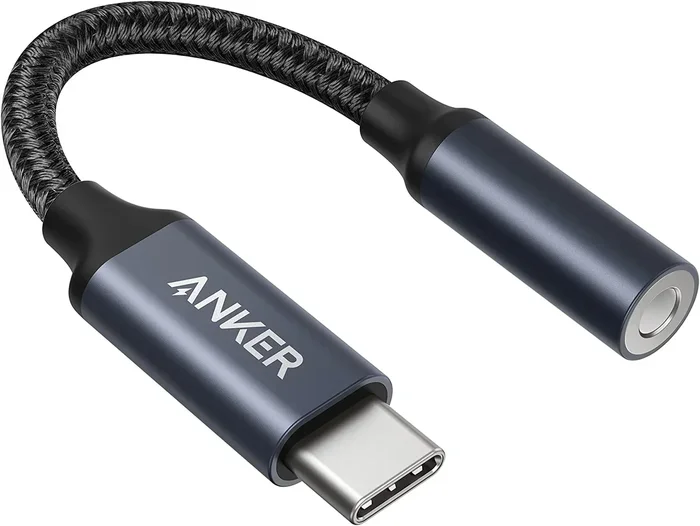
Adapters have been the bridge between old and new connector types. You can find Mini USB to USB-C adapters that let you use your old cables with new devices. These adapters are small, inexpensive, and very practical. They keep your older devices functional even as you upgrade your other gear.
For storage devices, adapters are especially useful. If you have an old M.2 NVMe SSD in a USB enclosure, the adapter situation has improved dramatically. Many modern enclosures now use USB-C connections, offering much faster speeds than old Mini USB enclosures. You can use an M.2 NVMe SSD to USB 3.1 adapter or a USB-C SSD enclosure to get dramatically better performance from your storage devices.
Some people use a USB-C to USB adapter hub that includes multiple port types. These hubs often include USB-A ports, HDMI outputs, and SD card readers. They are incredibly useful for connecting a mix of old and new devices to a modern laptop or tablet.
What This Means for Your Old Devices
If you have devices with Mini USB ports, they are not useless. They still work. You just need the right cables and adapters. The key is to have a small collection of adapters on hand for these situations. A Mini USB to USB-A cable or a Mini USB to USB-C adapter solves most problems.
One thing to watch for is cable quality. Cheap cables can cause data transfer errors or charging problems. When buying adapters or replacement cables for older devices, choose reputable brands. This ensures reliable device compatibility and prevents damage to your equipment.
The hardware evolution from Mini USB to USB-C represents a broader trend in technology: connectors get smaller, faster, and more versatile over time. This pattern will likely continue. Future connectors may replace USB-C in time, just as USB-C replaced Mini USB. Staying adaptable helps you keep up with these changes.
Expert Insights and Practical Tips
Common Mistakes With Mini USB
People make several common mistakes when dealing with Mini USB devices. One frequent error is forcing a cable into the port. Mini USB connectors have a specific orientation, and forcing them can damage the port or the cable. Always check the connector shape before inserting.
Another mistake is assuming all Mini USB cables are the same. Some cables are charge-only and do not support data transfer. If you are trying to transfer files from a camera or device, make sure your cable supports data. Look for cables that explicitly mention data transfer capability.
Using damaged or frayed Mini USB cables is also risky. Exposed wires can cause short circuits or connection failures. If a cable looks worn out, replace it rather than trying to make it work with tape or electrical tape. Safety should always come first with any electrical connector.
Quick Tips for Using Mini USB Today
- Keep a few Mini USB to USB-C adapters in your bag for emergencies
- Label your old cables so you know which ones are charge-only and which support data
- Store Mini USB cables coiled loosely to prevent internal wire damage
- Clean Mini USB ports with compressed air to remove dust and debris
- Consider upgrading older devices to USB-C versions when it makes financial sense
These small steps can extend the life of your older devices and prevent frustrating connectivity issues. The goal is not to chase every new standard but to make informed decisions about what works for your needs.
Conclusion
Is Mini Usb obsolete? For the average user, yes. The Mini USB connector has been replaced by better alternatives that offer faster speeds, better durability, and more versatility. USB-C is the current standard, and it will likely remain dominant for years to come.
However, Mini USB is not completely gone. Some older devices still use it, and adapters keep these devices functional. Understanding the transition from Mini USB to modern connectors helps you make smart purchasing decisions and get the most from your existing equipment.
The evolution of USB connectors shows how quickly technology moves forward. What was cutting-edge a decade ago becomes legacy today. Staying informed about these changes keeps you prepared for the next connector shift. Embrace the progress, keep your adapters handy, and do not let outdated cables slow you down.
Whether you are dealing with an old camera, a legacy storage device, or just curious about connector standards, the story of Mini USB is a fascinating look at how hardware evolution shapes our daily tech experience. The shift from Mini Usb obsolete to USB-C connectivity is a perfect example of how the tech industry constantly improves our tools and devices.
Frequently Asked Questions
Can I still buy Mini USB cables and adapters?
Yes, you can still find Mini USB cables and adapters online and in electronics stores. However, they are becoming harder to find as demand decreases. It is a good idea to stock up on a few Mini USB cables if you still use devices that require them. Amazon and specialty electronics retailers usually carry them.
Is Mini USB slower than USB-C?
Yes, Mini USB is significantly slower than USB-C. Mini USB typically supports USB 2.0 speeds of up to 480 Mbps. USB-C with USB 3.1 can reach 10 Gbps, and USB4 can go up to 40 Gbps. The speed difference is enormous, making USB-C the clear choice for any data-intensive tasks.
Will Mini USB devices stop working eventually?
Mini USB devices will continue to work as long as you have the right cables and adapters. The connectors themselves do not stop functioning. However, as adapters become harder to find and cables wear out, using these devices may become more inconvenient over time.
What is the difference between Mini USB and Micro USB?
Mini USB is larger than Micro USB. Mini USB was commonly used on cameras and larger portable devices, while Micro USB became the standard for phones and smaller gadgets. Micro USB is also more durable, with a different latch design that holds the connection more securely.
Should I replace my Mini USB devices with USB-C versions?
If you are buying new devices, always choose USB-C models when possible. They offer faster speeds, better durability, and longer-term compatibility. However, if your existing Mini USB device still works well, there is no urgent need to replace it just for the connector type.
Are there any devices today that still use Mini USB?
Some older digital cameras, GPS units, portable gaming devices, and specialized equipment still use Mini USB. These are typically devices from the 2005 to 2015 era. New devices rarely use Mini USB connectors, as the industry has fully moved to Micro USB and USB-C.