Are There Different Types of Hdmi Cables
Yes, there are different types of HDMI cables, and choosing the right one matters. From Standard to Ultra High Speed, each cable type supports different resolutions, bandwidths, and features like HDR and eARC. This guide breaks down every HDMI cable category so you can make a smart purchase without overspending.
This is a comprehensive guide about Are There Different Types Of Hdmi Cables.
Key Takeaways
- HDMI cables come in five main categories: Standard, High Speed, Premium High Speed, Ultra High Speed, and the newer Ultra High Speed with Ethernet.
- HDMI versions matter just as much as cable types: HDMI 1.4, 2.0, and 2.1 each bring different capabilities for resolution and refresh rate support.
- Not all cables are created equal: Using the wrong HDMI cable can limit your 4K or 8K experience, even if your devices support it.
- HDMI ARC and eARC features require specific cable types: Make sure your cable supports audio return channel technology for soundbars and TVs.
- Cable length affects signal quality: Longer HDMI cables may need active signal boosters to maintain picture quality.
- You do not always need the most expensive cable: Matching your cable to your device capabilities saves money without sacrificing performance.
[FEATURED_IMAGE_PLACEHOLDER]
What Are HDMI Cables and Why Do Types Matter?
HDMI stands for High-Definition Multimedia Interface. It is the cable standard that carries both video and audio from one device to another. Whether you are connecting a laptop to a monitor or a game console to a television, HDMI cables handle the job. But here is the thing many people miss — not every HDMI cable is the same.
Different types of HDMI cables support different resolutions, refresh rates, and features. Using the wrong cable can mean blurry pictures, no sound, or missing features like HDR. Think of it like plugging a garden hose into a fire hydrant. The connection fits, but it will not deliver what you need.
If you have ever bought a new TV or monitor and wondered why the picture quality does not look right, the HDMI cable might be the culprit. This guide will walk you through every type of HDMI cable so you can choose with confidence.
The Five Main HDMI Cable Types
The HDMI Forum officially recognizes five cable categories. Each one is designed for specific bandwidth needs and feature support. Let us break them down one by one.
1. Standard HDMI Cable
The Standard HDMI cable is the most basic option. It supports resolutions up to 1080p, which is also called Full HD. This cable handles standard definition and high definition content with ease. It is perfect for older devices like DVD players or basic cable boxes.
Standard HDMI cables have a bandwidth of up to 4.95 Gbps. That is enough for everyday viewing but not much else. If you are connecting a device that only outputs 1080p content, this cable will do the job just fine.
2. High Speed HDMI Cable
High Speed HDMI cables support resolutions up to 4K at 30Hz. They carry a bandwidth of 10.2 Gbps. This makes them a solid choice for most home entertainment setups. You can use them with Blu-ray players, streaming devices, and gaming consoles that output 4K content.
Many people use High Speed cables for their living room setups. They handle 4K movies and TV shows without any issues. However, they may struggle with higher refresh rates like 4K at 60Hz or 120Hz.
3. Premium High Speed HDMI Cable
Premium High Speed HDMI cables support 4K resolution at 60Hz. They carry a bandwidth of 18 Gbps. These cables also support HDR (High Dynamic Range), which gives you richer colors and better contrast. If you have a 4K TV and want the best picture quality, this is the cable to get.
These cables are ideal for streaming 4K content from services like Netflix or Disney Plus. They also work great with gaming consoles that output HDR content. The “Premium” label means the cable has been tested to meet strict performance standards.
4. Ultra High Speed HDMI Cable
Ultra High Speed HDMI cables are the current top-tier option. They support 4K at 120Hz and even 8K resolution. With a bandwidth of 48 Gbps, they can handle the most demanding content available today. These cables also support HDR, eARC, and the latest HDMI 2.1 features.
If you have a gaming PC or a next-gen console like the PlayStation 5 or Xbox Series X, this is the cable you need. Gamers who want 4K at 120Hz with HDR will see a huge difference with this cable type. It future-proofs your setup for years to come.
5. Ultra High Speed HDMI Cable with Ethernet
This cable type is the same as the Ultra High Speed cable but adds an Ethernet channel. The Ethernet feature allows connected devices to share an internet connection without a separate network cable. It is a nice convenience, but most people use their Wi-Fi for internet anyway.
The Ethernet channel in the cable is 100 Mbps. It is not meant for high-speed internet but rather as a backup or convenience feature. If you run cables through walls and want to avoid extra wiring, this cable type can help simplify your setup.
Understanding HDMI Versions and Their Features
Cable types are only part of the story. HDMI versions also play a big role. Each version adds new features and capabilities. Here is a quick look at the major versions you will encounter.
HDMI 1.4
HDMI 1.4 introduced the 4K resolution support at 30Hz. It also brought the ARC (Audio Return Channel) feature. ARC lets your TV send audio back to a soundbar or receiver through the same HDMI cable. This eliminates the need for extra audio cables. Many older soundbars and TVs use HDMI 1.4 with ARC.
HDMI 2.0
HDMI 2.0 bumped the bandwidth to 18 Gbps. It supports 4K at 60Hz and introduced HDR support. This version is the sweet spot for most 4K TVs and streaming devices. If your TV was made after 2016, it likely uses HDMI 2.0 ports.
HDMI 2.1
HDMI 2.1 is the latest version. It supports bandwidth up to 48 Gbps. It can handle 4K at 120Hz, 8K at 60Hz, and even 10K in the future. Dynamic HDR, eARC, and Variable Refresh Rate (VRR) are all part of the HDMI 2.1 package. If you are a serious gamer or a home theater enthusiast, HDMI 2.1 is where you want to be.
How to Choose the Right HDMI Cable for Your Setup
Choosing the right HDMI cable depends on what devices you are connecting and what features you want. Here are some practical tips to help you decide.
Check Your Devices
Before buying a cable, check what your devices support. Look at the specs for your TV, monitor, laptop, or gaming console. If your device supports 4K at 60Hz, you need at least a Premium High Speed cable. If it supports 4K at 120Hz, you need an Ultra High Speed cable.
For example, if you are using a gaming laptop for video editing, you want a cable that supports high refresh rates and color accuracy. Similarly, if you are using a compact setup with a mini PC for gaming, the HDMI output on that device will determine the cable type you need.
Consider Cable Length
Longer HDMI cables can lose signal quality. For runs under 10 feet, most cables work fine. Beyond that, you may notice signal degradation. If you need a long cable, look for one with a signal booster or an active HDMI cable. These cables use built-in electronics to maintain a strong signal over longer distances.
Match the Cable to Your Use Case
Think about what you will be doing with the cable. Here is a simple breakdown:
- Basic viewing: Standard HDMI is fine for cable TV and DVDs.
- 4K streaming: Premium High Speed handles Netflix, YouTube, and Disney Plus in 4K.
- Gaming at high refresh rates: Ultra High Speed is a must for 4K 120Hz gaming.
- Home theater with soundbar: Make sure your cable supports eARC for the best audio quality.
- Multiple devices in one location: Consider an HDMI splitter or switch to manage connections.
Do You Need a Premium Certified Cable?
HDMI cables with the “Premium” certification have been tested to meet specific performance standards. They guarantee the bandwidth and features listed on the packaging. For most people, a Premium High Speed or Ultra High Speed cable with the official certification sticker is a safe bet. You do not need to spend a fortune, but avoid the cheapest no-name cables for 4K setups.
If you have a setup with lots of RAM and high-performance components, like a laptop with lots of RAM, you want the full visual experience those components deliver. A good HDMI cable ensures you are not leaving picture quality on the table.
Common HDMI Cable Myths Debunked
There are a lot of misconceptions about HDMI cables. Let us clear up some of the most common ones.
Myth 1: More Expensive Cables Sound and Look Better
In most cases, a $10 HDMI cable performs exactly the same as a $100 cable. The digital signal either works or it does not. You do not get “better” picture quality from a more expensive cable if both meet the same HDMI standard. Save your money for the features that actually matter.
Myth 2: All 4K Cables Are the Same
This is not true. A cable that supports 4K at 30Hz is different from one that supports 4K at 120Hz. The bandwidth requirements are very different. Always check what refresh rate and features a cable supports before buying.
Myth 3: Gold-Plated Connectors Make a Difference
Gold plating helps prevent corrosion and improves durability. It does not improve signal quality. The difference in sound or picture from gold plating is negligible in real-world use. Focus on the cable category and version instead.
Quick Tips for HDMI Cable Shopping
- Look for the HDMI certification label. It guarantees the cable meets the advertised specifications.
- Buy the shortest cable you need. Shorter cables maintain better signal integrity.
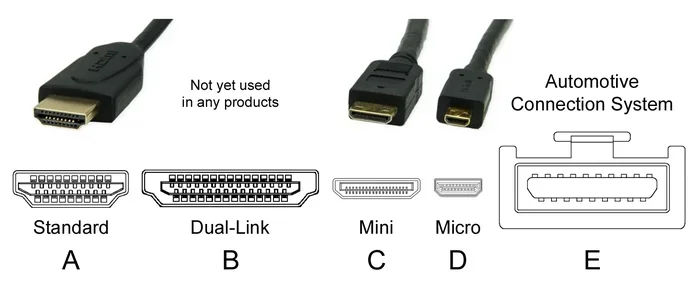
- Check both ends of the cable. Some cables have different connector types on each end, like full-size and mini HDMI.
- Do not pay extra for “audiophile” cables. HDMI carries digital signals. There is no analog improvement to be had.
- Keep your cables away from power cords. Running HDMI cables parallel to power cords can cause electromagnetic interference.
Final Thoughts
The answer to whether there are different types of HDMI cables is a clear yes. From Standard to Ultra High Speed, each cable type serves a specific purpose. The key is matching the cable to your devices and what you want to do with them. Most people will be happy with a Premium High Speed or Ultra High Speed cable. These handle 4K content, HDR, and modern gaming features with ease.
Do not fall for marketing hype or overpriced cables. Check your device specs, understand what you need, and buy accordingly. A good HDMI cable is one of the simplest upgrades you can make to improve your home entertainment setup. Take the time to choose wisely, and your picture and sound quality will thank you.
Frequently Asked Questions
What is the difference between HDMI and HDMI ARC?
HDMI ARC stands for Audio Return Channel. It allows your TV to send audio back to a soundbar or receiver through the same HDMI cable. Standard HDMI cables do not support this feature. You need at least an HDMI 1.4 compatible cable with ARC support to use this feature.
Can I use an older HDMI cable with a 4K TV?
It depends on what the older cable supports. A Standard or High Speed HDMI cable may work for 4K at 30Hz but will not handle 4K at 60Hz or HDR. For the full 4K experience, you need a Premium High Speed or Ultra High Speed cable.
Does HDMI cable length affect quality?
Yes, longer cables can lose signal quality, especially beyond 15 feet. For long runs, consider an active HDMI cable with a built-in signal booster. These cables maintain strong digital signals over longer distances without degradation.
Do I need an Ultra High Speed cable for gaming?
If you want 4K at 120Hz or use features like VRR and ALLM, yes. Ultra High Speed HDMI cables support 48 Gbps of bandwidth, which is required for the latest gaming features on consoles and PCs.
Are cheap HDMI cables bad?
Not necessarily. A cheap cable that meets the right HDMI standard works just as well as an expensive one. Avoid cables with no certification or unclear specs. For most setups, a mid-range certified cable offers the best value.
What HDMI cable do I need for a soundbar?
For the best audio quality with a soundbar, use an HDMI cable that supports eARC. This requires at least an HDMI 2.1 compatible Ultra High Speed cable. eARC supports uncompressed audio formats that standard ARC does not.