Difference Between Coaxial and Component Speakers
Coaxial speakers combine tweeter and woofer in one unit, offering easy installation and a compact design. Component speakers separate the drivers, delivering superior sound staging and clarity for audiophiles willing to invest more time and money.
Key Takeaways
- Design: Coaxial speakers house tweeter and woofer together; component speakers use separate drivers.
- Sound Quality: Component systems provide better imaging, frequency response, and bass control.
- Installation: Coaxial units are plug‑and‑play; component kits require more wiring and mounting work.
- Cost: Coaxial speakers are budget‑friendly, while component sets cost more but deliver higher performance.
- Space Requirements: Coaxial fits tight dash spaces; component needs room for separate tweeters and crossovers.
- Upgrade Path: Component systems allow individual driver upgrades, coaxial does not.
- Best Use: Choose coaxial for everyday commuters; choose component for enthusiasts and high‑end audio builds.
📑 Table of Contents
Introduction: Why the Speaker Choice Matters
When you sit behind the wheel, the music you hear can turn a mundane drive into a mini‑concert. Yet, many car owners overlook the most critical part of that experience – the speakers. Whether you’re upgrading an old hatchback or fine‑tuning a luxury sedan, the decision between coaxial and component speakers will shape the soundstage, clarity, and overall enjoyment.
In this guide we’ll break down the anatomy of each type, compare performance, installation, and price, and give you practical tips to pick the right set for your vehicle and listening style. By the end, you’ll know exactly which speaker family fits your budget, skill level, and audio goals.
1. What Is a Coaxial Speaker?
1.1 Anatomy of a Coaxial Unit
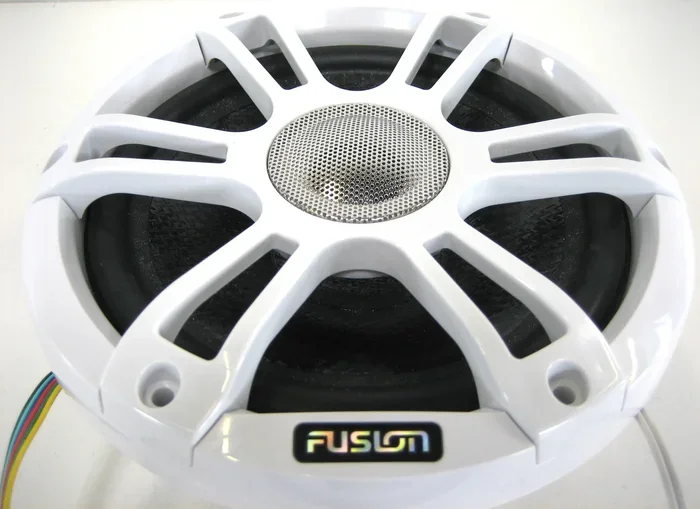
A coaxial speaker, often called a “full‑range” or “co‑ax” speaker, mounts a small tweeter directly in the center of a larger woofer. The two drivers share the same axis – hence the name “coaxial.” This design lets the speaker reproduce low, mid, and high frequencies from a single point.

Visual guide about Difference Between Coaxial and Component Speakers
Image source: ogre.natalie.mu
1.2 How It Works
The woofer handles bass and midrange, while the tweeter takes care of the highs. Because they sit on the same cone or in the same frame, the sound waves leave the speaker at nearly the same time, creating a simple, cohesive output that’s easy for the car’s interior to blend.
1.3 Typical Applications
- Factory‑installed speaker upgrades
- Budget‑friendly aftermarket kits
- Cars with limited mounting space (e.g., compact doors)
2. What Is a Component Speaker?
2.1 Anatomy of a Component Set
Component speakers separate the drivers into three distinct parts: a woofer, a tweeter, and an external crossover (sometimes called a “filter” or “divider”). The crossover directs low‑frequency signals to the woofer and high‑frequency signals to the tweeter, ensuring each driver only handles the frequencies it’s built for.
2.2 How It Works
Because the tweeter sits away from the woofer—often on the door pillar, A‑pole, or a dedicated mount—it can be positioned for optimal imaging. The crossover’s precise filtering reduces distortion and improves clarity, especially in complex musical passages.
2.3 Typical Applications
- High‑end audio upgrades for audiophiles
- Vehicles with enough door or dash space for separate mounts
- Systems that pair with external amplifiers for maximum control
3. Performance Comparison
3.1 Frequency Response
Component speakers generally boast a wider and smoother frequency response. The dedicated crossover lets the tweeter handle highs without being “dragged” by the woofer’s larger cone, resulting in crisper highs and tighter mids. Coaxial units can still sound good, but the shared housing often forces compromises, especially above 15 kHz.
3.2 Soundstage and Imaging
Because component tweeters can be placed higher and farther apart, they create a more realistic soundstage—think of hearing instruments from distinct locations rather than a single point source. Coaxial speakers, being stacked, tend to produce a narrower “sweet spot.”
3.3 Bass Control
Both types rely on the woofer for bass, but component systems often pair the woofer with a separate subwoofer or a more powerful amp, giving deeper, cleaner low‑end. Coaxial woofers are limited by the space taken up by the tweeter, which can slightly reduce cone excursion.
4. Installation Considerations
4.1 Ease of Installation
If you’re a DIY beginner, coaxial speakers win hands down. Most factory doors have a universal mounting hole that fits a coaxial unit, and wiring is usually a simple plug‑in or a single set of speaker wires.
4.2 Wiring Complexity
Component kits require three sets of wires: one for the woofer, one for the tweeter, and a set to connect the crossover to the head unit or amplifier. This can be intimidating, especially in cars with tight door panels. However, the extra effort pays off in sound quality.
4.3 Space and Mounting
Coaxial speakers fit into almost any standard factory location. Component speakers need space for separate tweeter brackets and sometimes a rear‑mount for the crossover. If your door panel is already crowded with airbags, speaker shrouds, or trim pieces, you may need to modify the panel or choose a low‑profile component design.
5. Cost Analysis
5.1 Price Ranges
- Coaxial speakers: $30 – $150 per pair (entry‑level to premium)
- Component speakers: $120 – $500+ per set (including crossover)
The higher price of components reflects the extra hardware, more sophisticated design, and often better brand reputation.
5.2 Long‑Term Value
While coaxial speakers may be cheaper upfront, component systems offer upgrade flexibility. You can replace just the tweeter or crossover later, extending the life of the whole system. This modularity can be more economical over several years.
6. Choosing the Right Speaker for Your Needs
6.1 Identify Your Priorities
Ask yourself:
- Do I want a quick, hassle‑free upgrade? → Coaxial.
- Am I chasing audiophile‑grade sound? → Component.
- How much space do I have in the doors? → Measure before buying.
- Do I have an external amp or will I rely on the factory head unit? → Component pairs better with dedicated amplification.
6.2 Practical Tips
- Check the speaker’s impedance (4 Ω vs 8 Ω) to match your amp; see our guide on 2 8 Ohm Speakers In Series for wiring tricks.
- If you notice crackling or distortion after installation, verify connections and consider using high‑quality speaker wire; read Why Do My Speakers Crackle for troubleshooting steps.
- Mount tweeters on a sturdy surface to avoid vibration; speaker stands for surround setups can be adapted for car doors—see Speaker Stands For Surround Speakers for ideas on custom mounting.
6.3 When to Mix and Match
Some owners start with coaxial speakers in the front and add component speakers in the rear for a balanced upgrade path. This hybrid approach can deliver improved rear imaging without the full cost of a component front‑stage.
Conclusion
Both coaxial and component speakers have their place in the car‑audio world. Coaxial units shine for simplicity, affordability, and space‑saving design, making them perfect for everyday drivers who want a noticeable improvement without a major overhaul. Component speakers, on the other hand, cater to enthusiasts who value precise soundstage, superior clarity, and the ability to fine‑tune each element of their system.
By weighing factors such as installation difficulty, budget, vehicle space, and desired sound quality, you can make an informed decision that transforms every commute into a sonic adventure. Remember, the best speaker is the one that fits your car, your wallet, and most importantly, your ears.
Frequently Asked Questions
What’s the main difference between coaxial and component speakers?
Coaxial speakers combine the tweeter and woofer in one housing, while component speakers use separate drivers (woofer, tweeter, and crossover) for each frequency range.
Are component speakers louder than coaxial speakers?
Not necessarily louder, but component speakers usually produce clearer, more detailed sound with better imaging, especially at high volumes.
Can I install component speakers in a car that originally had coaxial speakers?
Yes, as long as you have enough space for separate tweeters and a crossover, and you can run the necessary wiring.
Do I need an external amplifier for component speakers?
While component speakers can work with a factory head unit, pairing them with an external amp maximizes their performance and reduces distortion.
How do I choose the right impedance for my new speakers?
Match the speaker’s impedance (usually 4 Ω or 8 Ω) to your amplifier’s specifications; mismatched impedance can cause overheating or reduced output.
Is it worth upgrading to component speakers if I only listen to podcasts?
If you primarily listen to speech, a good coaxial set will be sufficient. Component speakers shine when you enjoy music with complex instrumentation.