Hardest English Words for Spanish Speakers
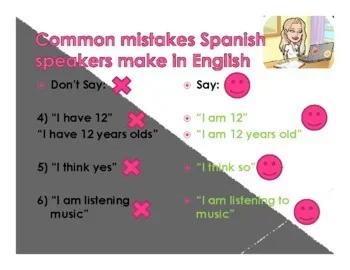
Learning English opens many doors, but certain sounds trip up Spanish speakers again and again. In this guide, we break down the hardest English words for Spanish speakers, explain why they feel difficult, and share simple tricks to practice them daily. You will learn how vowel shifts, consonant clusters, and silent letters create challenges, plus how to train your mouth and ear for clearer speech. With steady practice and the right mindset, you can turn these stumbling blocks into stepping stones.
Many learners hit the same wall when they start speaking English. The grammar feels manageable, and the vocabulary grows fast, but some words just refuse to come out smoothly. If you have ever stumbled over a simple word in a meeting or a coffee shop, you are not alone. The hardest English words for Spanish speakers usually share a few common traps, and once you understand those traps, practice becomes much easier.
Spanish and English share some roots, but they sound very different in daily use. Spanish tends to have clear vowel sounds and steady rhythm, while English shifts vowels, drops sounds, and stacks consonants in ways that can feel strange at first. That does not mean you cannot master these words. It simply means you need a smart plan. In this guide, we will look at the most common trouble spots, explain why they happen, and give you practical ways to say these words with more confidence.
Key Takeaways
- Sound differences matter: English uses vowel sounds and consonant clusters that do not exist in Spanish, which makes certain words feel awkward at first.
- Focus on patterns, not just lists: Grouping tricky words by sound helps you practice smarter and remember longer.
- Listen and mimic: Shadowing short audio clips trains your ear and mouth to handle English rhythm and stress.
- Record yourself: Hearing your own pronunciation reveals small mistakes you can fix step by step.
- Slow down to speed up: Clear speech comes from steady pacing, not rushing through difficult words.
- Use context clues: Practicing words in full sentences builds natural flow and reduces fear of mistakes.
- Stay consistent: A few minutes of daily practice beats long, irregular study sessions every time.
📑 Table of Contents
Why These Words Feel So Hard
The first step is understanding the real problem. Most difficulties are not about intelligence or effort. They come from how the mouth, tongue, and ears are used to Spanish sounds. When you switch languages, your muscles and listening habits need time to adjust.
Vowel Sounds That Do Not Match
Spanish has a small set of clean vowel sounds. English has many more, and some of them sit between familiar Spanish vowels. That means a word like “sit” can sound close to “seat” if your mouth stays in one position. The difference is small, but it changes meaning.
This is one reason the hardest English words for Spanish speakers often include short vowels, long vowels, and diphthongs. A diphthong is when one vowel glides into another inside the same syllable. Words like “go,” “say,” and “my” can feel less stable because the sound moves while you speak.
Consonant Clusters and Ending Sounds
Spanish words usually flow with smoother consonant patterns. English loves clusters, which are groups of consonants side by side. Think of words with “str,” “spl,” or “pt” shapes. These combinations can feel crowded if your tongue is used to simpler transitions.
Ending sounds also matter. Spanish speakers sometimes soften final consonants or add a tiny vowel after them without meaning to. That can make words sound less sharp to an English ear. The good news is that this habit is very fixable with focused practice.
Stress and Rhythm Differences
English is stress-timed, which means some syllables get more length and strength than others. Spanish rhythm feels more even by comparison. When stress lands in the wrong place, a familiar word can sound odd, even if every sound is mostly correct.
That is why pronunciation is not only about individual sounds. It is also about which part of the word gets emphasis. Once you learn the stress pattern, the word often becomes easier to say and easier to remember.
Common Trouble Words and Why They Trip You Up
Some words show up again and again in classrooms, conversations, and pronunciation lessons. They are not difficult because they are long. They are difficult because they combine several challenges at once.
Visual guide about Spanish speaker learning English words
Image source: i.ytimg.com
Words With Tricky Vowel Shifts
Words that change vowel quality from Spanish to English are especially useful to practice. These often include short and long pairs, or vowel sounds that do not exist in Spanish. Examples include:
- beat/bit — a small mouth position change creates a big meaning difference
- pool/pull — the vowel length and tongue position can feel close
- sheet/shit — a tiny shift in vowel shape matters a lot
- bat/bet — short vowel clarity helps listeners understand you faster
These pairs are helpful because they train your ear to hear fine differences. Once you can hear them, your mouth can start copying them more accurately.
Words With “Th” and Other Unusual Consonants
The “th” sounds are famous for a reason. Spanish does not use them, so many learners replace them with “t,” “d,” “s,” or “z” without realizing it. That substitution can change the word or make it harder to understand.
Other consonant challenges include “v” versus “b,” “w” versus “gu,” and final “m” or “n” sounds in certain positions. These are not impossible problems. They are simply habits that need new muscle memory.
Here are some useful practice words:
- this, that, think — gentle tongue placement between teeth helps
- very, visit — clear “v” practice keeps it distinct from “b”
- wine, won — lip rounding supports the “w” sound
- light, right — clear “l” and “r” contrast improves clarity
Words With Silent Letters and Odd Spelling
English spelling often does not match pronunciation neatly. Some letters are silent, and some letter patterns simply do not follow the rules you expect. That can make a word look easy and sound tricky at the same time.
This is another reason the hardest English words for Spanish speakers can feel frustrating. You may read a word confidently and then hesitate when saying it aloud. Practice with audio helps you connect spelling to sound more naturally.
Common examples include:
- comfortable — the middle often gets reduced in natural speech
- vegetable — syllables can blur if you say every letter too carefully
- chocolate — the final syllable is usually shorter than it looks
- business — the spelling suggests more sounds than people usually say
How to Practice Without Feeling Overwhelmed
You do not need to memorize huge lists to improve. In fact, long lists can make you feel worse if you keep missing the same words. A better approach is to work in small, focused sets and repeat them in real contexts.
Group Words by Sound, Not by Topic
Instead of studying random words, choose one sound challenge at a time. For example, spend a few days on short vowels, then move to consonant endings, then work on stress patterns. This keeps your brain from juggling too many new habits at once.
You can also build your own mini-lists from the hardest English words for Spanish speakers that you personally struggle with. Personal relevance makes practice stick better than generic lists.
Use Short Shadowing Sessions
Shadowing means listening to a short sentence and repeating it almost at the same time. This helps you copy rhythm, stress, and connected speech, not just isolated sounds. Start with slow audio and simple sentences.
A simple shadowing routine might look like this:
- Listen to one short sentence two or three times
- Repeat it immediately after the speaker
- Record your version and compare it
- Repeat until the stress and flow feel smoother
This works well because it trains your mouth and ear together. It also lowers the pressure of trying to sound perfect on the first try.
Practice in Full Sentences
Words change when they live inside sentences. Sounds blend, stress shifts, and rhythm becomes more important. If you only practice single words, you may still struggle when speaking naturally.
Try this instead: put each tricky word into a short sentence you might actually use. For example, practice “comfortable” in a sentence about your chair, or practice “this” in a sentence about your day. That gives the word a real purpose.
Mistakes That Slow Progress
Some habits make pronunciation practice harder without you noticing. The good news is that these mistakes are easy to spot once you know what to look for.
Trying to Be Perfect Too Soon
Many learners freeze because they want every sound to be exact. That pressure can make your speech stiff and less natural. Clear communication matters more than perfect accent in most everyday situations.
Aim for understandable, steady speech first. Fine-tune the details later. This keeps confidence high and helps you keep talking instead of stopping after every difficult word.
Ignoring Stress and Intonation
If you focus only on individual sounds, you may miss the bigger picture. English stress patterns can change how natural a word feels. A correctly pronounced syllable can still sound off if the emphasis is wrong.
Listen for the strong and weak parts of each word. Notice how some syllables shrink in fast speech. That awareness helps you sound more fluent, even before you master every sound.
Practicing Only in Your Head
Silent practice feels safe, but it does not train your mouth enough. Pronunciation is physical. Your tongue, lips, and jaw need repetition to build new habits.
Speak out loud whenever you can. Even five minutes of real vocal practice is more useful than much longer silent review. If you feel shy, start with a recording or a private space.
A Simple Practice Plan You Can Use This Week
Here is a straightforward routine that keeps things manageable. You can adjust it to your schedule, but the key is consistency.
Day 1: Pick Five Problem Words
Choose five words that genuinely give you trouble. Write them down, say them aloud, and note what feels hard. Is it the vowel, the ending, the stress, or the combination of sounds?
This step matters because it turns a vague problem into a specific one. Specific problems are much easier to solve.
Day 2: Find Audio and Mimic
Listen to a reliable pronunciation example for each word. Then repeat the word slowly, then at normal speed. Try to match the stress and the shape of the sound, not just the spelling.
If possible, use short sentences too. That helps you hear how the word behaves in real speech.
Day 3: Record and Compare
Record yourself saying the words and one sentence for each word. Listen back and compare your version to the model. Do not judge yourself harshly. Just notice one or two things to improve.
This is one of the fastest ways to spot patterns. You may discover that one vowel is consistent trouble, or that final sounds disappear when you speak quickly.
Day 4: Use the Words in Conversation or Self-Talk
Put the words into real use. Talk about your day, describe your surroundings, or write a few sentences and read them aloud. The goal is to move the words from memory into active speech.
When you use a word in context, it becomes easier to recall and easier to say. That is how practice turns into progress.
Day 5: Review and Reset
Go back to your list. Keep the words that still feel difficult and drop the ones that now feel easier. Add a few new challenge words if you are ready. Small rotation keeps practice fresh.
If you want a broader starting point, you can also explore related resources such as hardest words to pronounce in English for Spanish speakers, hardest words for Spanish speakers to say in English, and hard words in English for Spanish speakers. These can help you find more examples to practice without feeling lost.
Expert Insights and Smart Habits
Experienced language learners usually agree on a few things. Progress comes from regular exposure, honest feedback, and patient repetition. Flashy tricks help less than steady routines.
Listen More Than You Think You Need To
Your ear leads your mouth. If you can hear a sound clearly, you have a better chance of producing it. That means listening to natural English often, even when you are not speaking.
Podcasts, videos, and short conversations all count. The goal is to get used to real pace, real stress, and real variation. Over time, this makes difficult words feel less foreign.
Keep Your Goals Practical
It helps to aim for clarity instead of perfection. Ask yourself whether a listener can understand you easily. If yes, you are moving in the right direction.
You can still refine details later. For example, you might work on one vowel contrast, one consonant sound, or one stress pattern at a time. Small goals are easier to reach and less tiring to maintain.
Make Mistakes Part of the Process
Every learner mispronounces words sometimes. That is not failure. It is information. Each mistake shows you where to focus next.
If you can laugh at a slip and repeat the word correctly, you are already learning faster. Fear slows speech, while curiosity keeps it moving.
Final Thoughts
The hardest English words for Spanish speakers are hard mostly because they ask your mouth and ears to do new things. That does not make them unreachable. With a little structure, you can turn the hardest words into useful practice tools.
Start small. Choose a few problem sounds, practice them in sentences, and listen closely to your own speech. Keep your routine simple and repeatable. Over time, the words that once felt awkward will start to feel normal.
If you stay patient and keep speaking, your pronunciation will improve in ways that feel natural instead of forced. That is the real goal: not flawless English, but clear, confident communication that helps you connect with other people every day.
Frequently Asked Questions
Why are some English words so hard for Spanish speakers to pronounce?
Many difficult words include vowel sounds, consonant clusters, or stress patterns that do not exist in Spanish. Your mouth and ears are used to Spanish habits, so English sounds can feel awkward at first. With focused practice, those habits can change over time.
What are the most common pronunciation problems for Spanish speakers learning English?
Common problems include mixing short and long vowels, replacing “th” with other sounds, softening final consonants, and placing stress in the wrong syllable. These issues often show up in everyday words, not just long or complex ones.
How can I improve my English pronunciation without memorizing huge word lists?
Focus on a few problem sounds at a time and practice them inside short sentences. Use audio, mimic the speaker, and record yourself to notice small differences. Consistent practice works better than trying to learn too many words at once.
Should I worry about having an accent when I speak English?
An accent is usually less important than clear communication. If people understand you easily, you are doing well. You can still work on specific sounds for clarity, but you do not need perfect accent to be effective.
What is the fastest way to practice difficult English words daily?
Pick three to five tricky words, say them aloud in sentences, and listen to a model pronunciation for each one. Record your voice, compare it, and repeat the ones that still sound off. A short daily routine is usually more effective than long weekly sessions.
Are there certain word types that are harder than others for Spanish speakers?
Yes, words with vowel contrasts, “th” sounds, consonant endings, and unusual spelling tend to be tougher. Words with stress patterns that differ from Spanish can also feel difficult. Practicing these word types in context helps reduce the challenge.