Nvme Ssd to Pcie Adapter

The nvme ssd to pcie adapter lets you connect high speed NVMe drives through a standard PCIe slot, giving you blazing fast storage without replacing your motherboard. It is an affordable and simple way to upgrade older systems or expand storage capacity on any desktop with a free expansion slot.
If you have ever wanted faster storage but your computer does not have an M.2 slot, there is a simple solution. An nvme ssd to pcie adapter lets you plug a high speed NVMe drive directly into a PCIe slot on your motherboard. This means you get the same incredible performance as a native M.2 drive, without needing special hardware.
Whether you are upgrading an older desktop or building a budget system, this adapter opens up a world of possibilities. You can turn any computer with a free PCIe slot into a machine capable of blazing fast read and write speeds. In this guide, we will walk you through everything you need to know.
We will cover how these adapters work, the different types available, and how to pick the right one for your setup. By the end, you will know exactly whether an nvme ssd to pcie adapter is the right move for your storage needs.
Key Takeaways
- Easy Upgrade Path: An nvme ssd to pcie adapter lets you use NVMe drives in any PC with a PCIe slot, even if it lacks M.2 connectors.
- Near Native Speeds: You get the same blazing fast read and write speeds as a direct M.2 NVMe installation.
- Budget Friendly: Adapters cost under 30 dollars, making them one of the cheapest ways to unlock NVMe performance.
- Multiple Types Available: Choose from add-in cards, passive bridge boards, or external enclosures depending on your needs.
- Simple Installation: Most adapters are plug and play and require no driver downloads or BIOS tweaks.
- Flexible Storage Expansion: Add multiple NVMe drives to your system without buying a new motherboard.
- Great for Older Systems: Revive aging desktops and workstations with modern high speed storage.
📑 Table of Contents
What Is an NVMe SSD to PCIe Adapter?
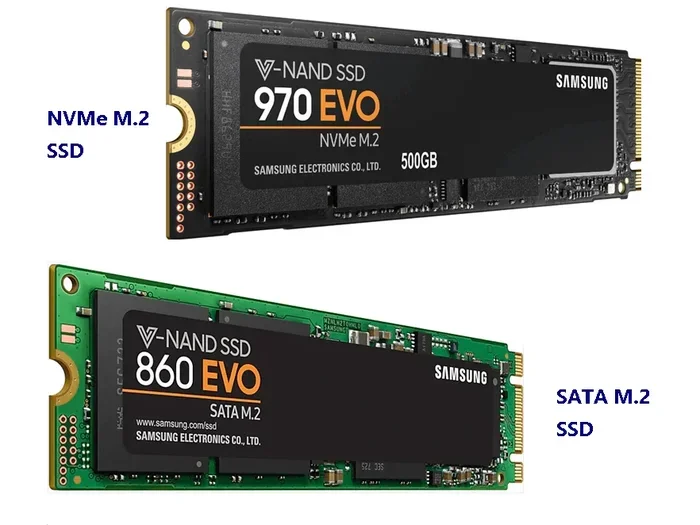
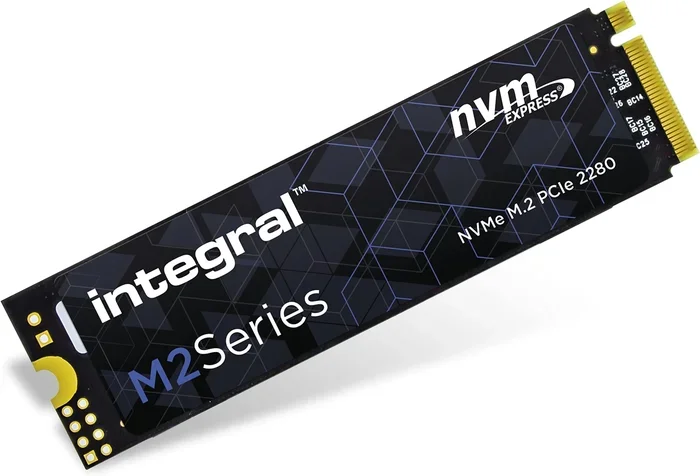
An nvme ssd to pcie adapter is a small board or card that bridges the gap between your NVMe solid state drive and a standard PCIe slot. Most modern NVMe drives use the M.2 form factor, which plugs directly into a slot on the motherboard. But not all computers have that slot.
This adapter solves that problem. It takes the NVMe drive and connects it to the PCIe bus, which is the same high speed pathway used by graphics cards and other expansion boards. The result is storage speeds that can rival or even match what you would get from a native M.2 installation.
How Does It Work?
The adapter acts as a translator between the NVMe drive and your motherboard. It reads the NVMe protocol and sends the data through the PCIe interface. Think of it like a bridge that lets two different roads connect smoothly.
Most adapters are plug and play. You insert the NVMe drive onto the adapter board, then seat the whole assembly into a PCIe x4 or x16 slot. Your operating system should recognize the drive almost instantly, especially if you are running Windows 10 or Windows 11 with native NVMe support built in.
Who Needs an NVMe to PCIe Adapter?
Not everyone needs one, but certain users benefit greatly. If your desktop motherboard lacks M.2 slots, an adapter is a perfect fix. It is also useful for older workstations or servers where upgrading the motherboard is too expensive or impractical.
Gamers, video editors, and professionals who need fast storage expansion will find this adapter especially valuable. Instead of buying a whole new motherboard, you can add high speed NVMe storage for a fraction of the cost.
Benefits of Using a PCIe Adapter for NVMe
There are several strong reasons to consider an nvme ssd to pcie adapter. Let us break down the biggest advantages.
Blazing Fast Speeds
The main draw of any NVMe drive is speed. When you use a PCIe NVMe M.2 SSD through an adapter, you still get the full bandwidth of the PCIe interface. This means read speeds can reach 3,500 MB per second or higher on Gen 3 drives, and up to 7,000 MB per second on Gen 4 drives.
Compare that to a traditional SATA SSD, which tops out around 550 MB per second. The difference is massive. Boot times, file transfers, and application loading all feel noticeably faster when you use an NVMe drive over a PCIe adapter.
Cost Effective Upgrade
Buying a new motherboard just to get M.2 support can cost a lot of money. An nvme ssd to pcie adapter costs a small fraction of that. You can pick one up for under 30 dollars in most cases, making it one of the cheapest ways to upgrade your storage speed.
This is especially smart if you already own a great NVMe drive and just need a way to use it in an older system. Instead of letting that drive sit unused, the adapter gives it new life and a purpose in your setup.
Flexible Storage Expansion
Most desktop computers have several PCIe slots available. This means you can add multiple NVMe drives using adapters, giving you plenty of room for games, projects, or backups. It is a very flexible approach to storage expansion without opening up your case and swapping out components.
You can also use different capacity drives on the same adapter setup. Mix and match 1TB and 2TB drives to build a custom storage array that fits your exact needs. For more options on PCIe based drives, check out our guide on PCIe NVMe M.2 SSD drives to explore what is available.
Types of NVMe to PCIe Adapters
Not all adapters are the same. Understanding the different types helps you choose the right one for your situation.
Add-In Cards
An NVMe add-on card is the most common type of adapter. It is a small circuit board with a PCIe connector on one end and an M.2 slot on the other. You slide the NVMe drive into the M.2 connector, secure it with a screw, and then install the card into your PCIe slot.
Many add-in cards come with their own heatsinks. This helps keep the NVMe drive cool during heavy workloads, which is important since these drives can run hot when pushing their full speed. For a popular option, see our review of the Crucial P3 Plus NVMe SSD which pairs well with most adapter boards.
Bridge Boards and Passive Adapters
Some adapters are simpler passive boards. They connect the NVMe drive to the PCIe slot without adding extra features like cooling or extra ports. These are the cheapest option and work well for basic use cases where you just need the drive to be recognized by your system.
Passive adapters do not add any performance overhead. They simply pass the signal through, so you get the same speeds as you would with a direct M.2 connection. They are ideal for users who want simplicity and do not need extra bells and whistles.
Enclosure Style Adapters
Another option is an external enclosure that converts NVMe to PCIe or USB. While these are not strictly internal adapters, they serve a similar purpose. They let you use an NVMe drive outside of the computer case, which is great for portable high speed storage.
If you are looking for something like this, check out our review of the Ugreen M.2 NVMe SATA SSD enclosure for a popular option on the market that works well for external setups.
How to Choose the Right NVMe to PCIe Adapter
Picking the right adapter depends on a few key factors. Here is what you should look at before buying.
Compatibility With Your Motherboard
The first thing to check is whether your motherboard has a free PCIe slot. Most desktops have at least one x16 slot and a few x1 or x4 slots. An nvme ssd to pcie adapter typically uses a x4 link, so any x4, x8, or x16 slot will work just fine.
Make sure the adapter supports your specific NVMe drive. Most adapters fit standard M.2 2280 drives, but some also support 2230 or 2242 sizes. Check the specifications of both the adapter and your drive before purchasing to avoid any compatibility headaches.
PCIe Generation Matters
The PCIe generation affects the maximum speed you can achieve. A Gen 3 adapter supports up to about 3,500 MB per second. A Gen 4 adapter can handle up to 7,000 MB per second. And a Gen 5 adapter pushes past 10,000 MB per second.
Your adapter should match or exceed the generation of your NVMe drive. If you have a Gen 4 drive but use a Gen 3 adapter, you will be limited to Gen 3 speeds. On the other hand, using a Gen 4 adapter with a Gen 3 drive works perfectly fine, it just runs at the drive’s maximum speed.
Does It Need a Heatsink?
NVMe drives generate heat, especially during sustained transfers. Many adapters come with a metal heatsink built in. This is a nice feature that helps maintain peak performance over long workloads.
If your adapter does not have a heatsink, you can buy standalone M.2 heatsinks separately. They are inexpensive and make a big difference in keeping your drive cool and stable during intensive tasks.
Installation and Setup Guide
Setting up an nvme ssd to pcie adapter is straightforward. Here is a step by step guide to get you started.
Step by Step Process
- Power off your PC and unplug it from the wall. Always work on a grounded surface to prevent static damage to your components.
- Open your case and locate a free PCIe slot. A x4 or x16 slot works best for these adapters.
- Remove the slot cover on the back of the case that lines up with your chosen PCIe slot.
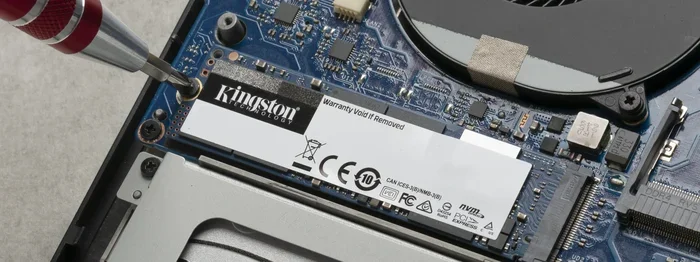
- Insert the NVMe drive into the adapter at a 30 degree angle, then press it down flat until it clicks into place.
- Secure the drive with the small screw that came with the adapter.
- Seat the adapter into the PCIe slot firmly until it clicks in and is snug.
- Close your case, plug everything back in, and power on your PC.
Your operating system should detect the new drive within seconds. On Windows, you can check by opening Disk Management. On Linux, you can use the lsblk command to see the new drive listed and ready to use.
Common Issues and How to Fix Them
Sometimes things do not work perfectly the first time. Here are a few common problems and their solutions.
If the drive does not show up, try reseating the adapter in the PCIe slot. A loose connection is the most common cause. Also make sure your BIOS is set to recognize NVMe drives in the boot order. Updating your BIOS to the latest version can also help with compatibility.
If you are experiencing slow speeds, check that your adapter supports the same PCIe generation as your drive. Using a Gen 3 adapter with a Gen 4 drive will cap your speeds. You can also update your NVMe driver through your operating system to ensure optimal performance.
For users who run into the drive not showing up in BIOS at all, our article on why NVMe SSDs sometimes do not show up covers troubleshooting steps in detail that can help you diagnose the problem quickly.
NVMe to PCIe Adapter vs Other Storage Options
Let us compare the adapter approach to other ways of adding fast storage to your system.
| Option | Speed | Cost | Ease of Setup |
|---|---|---|---|
| NVMe to PCIe Adapter | Up to 7,000 MB/s (Gen 4) | Low | Very Easy |
| Native M.2 NVMe Slot | Up to 7,000 MB/s (Gen 4) | None (built in) | Easiest |
| SATA SSD | Up to 550 MB/s | Low | Very Easy |
| External NVMe Enclosure | Up to 1,000 MB/s (USB 3.2) | Medium | Easy |
| HDD | Up to 200 MB/s | Very Low | Easy |
As you can see, the adapter approach gives you nearly the same speed as a native M.2 slot at a very low cost. The only real difference is that you are using a PCIe slot instead of a dedicated M.2 connector on your board.
If you want to learn more about how PCIe NVMe drives compare to other storage types, our guide on is NVMe faster than a regular SSD provides a deep dive into speed comparisons and real world performance.
Final Thoughts
An nvme ssd to pcie adapter is one of the smartest storage upgrades you can make. It is affordable, easy to install, and delivers the full speed of your NVMe drive through a standard PCIe slot. Whether you are reviving an older PC or building a budget system, this small accessory makes a huge difference in everyday performance.
The flexibility is hard to beat. You can add fast storage to almost any desktop computer without replacing expensive components. It is a simple solution that solves a real problem for millions of users who need speed but do not want to spend a fortune.
If you are ready to upgrade, grab an adapter and your favorite NVMe drive. You will be amazed at how much faster your system feels with this kind of storage speed. For more information on PCIe based NVMe drives, check out our guide on PCIe NVMe M.2 SSD drives to find the best options available today.
Frequently Asked Questions
Can I use any NVMe drive with a PCIe adapter?
Most NVMe drives in the M.2 2280 form factor work with standard PCIe adapters. Just make sure the adapter supports your drive’s size and that your motherboard has a compatible PCIe slot. Check both the adapter and drive specifications before buying to confirm they match.
Will an NVMe to PCIe adapter slow down my drive?
No, a quality adapter does not reduce speeds. Passive adapters pass the signal through without any overhead. Even add-in cards with extra features like heatsinks maintain the full speed of your NVMe drive. The only time speeds drop is if the adapter’s PCIe generation is lower than your drive’s generation.
Is it hard to install an nvme ssd to pcie adapter?
Not at all. The installation process is simple and takes about five minutes. You just insert the NVMe drive into the adapter, secure it with a screw, and seat the whole unit into a free PCIe slot. No driver installation is usually needed on modern operating systems.
Can I boot from a drive connected through a PCIe adapter?
Yes, in most cases you can boot from a drive connected via an adapter. Make sure your BIOS or UEFI settings are configured to recognize NVMe drives in the boot order. If you run into issues, updating your motherboard BIOS often resolves boot problems with adapter-connected drives.
How much does an NVMe to PCIe adapter cost?
Most adapters cost between 15 and 30 dollars. Basic passive adapters are at the lower end, while add-in cards with built-in heatsinks cost a bit more. This makes them one of the most affordable ways to add NVMe speed to any desktop computer.
Can I use multiple NVMe drives with PCIe adapters at the same time?
Yes, you can use multiple adapters as long as you have enough free PCIe slots on your motherboard. Each adapter uses a x4 PCIe link, so a x16 slot can technically support up to four adapters, though in practice most users install one or two. Just make sure your system has enough bandwidth to support all the drives at full speed.