What Is Linear Multimedia
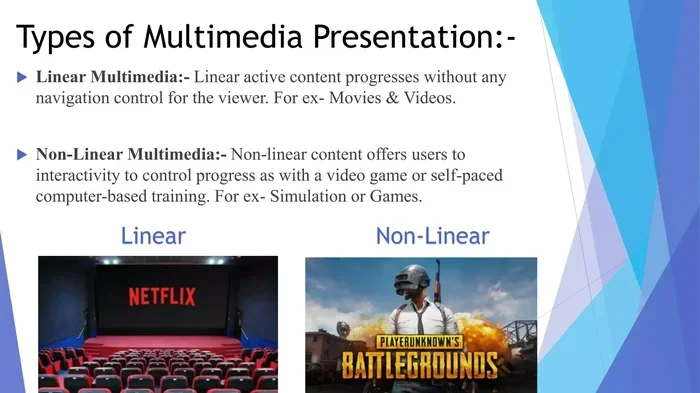
Linear multimedia refers to content that plays in a fixed, sequential order without user interaction. Think of a traditional video, a slideshow, or a podcast where you simply press play and watch or listen. It is one of the two main types of multimedia, the other being interactive multimedia that lets users control the flow. Understanding linear multimedia helps you grasp how most digital content is consumed daily.
You have probably watched a movie, listened to a song, or viewed a photo slideshow. If so, you have already experienced linear multimedia. This type of digital content follows a set path from beginning to end. The user simply presses play and lets the media unfold. There is no clicking, no choosing, and no branching paths. It is straightforward, predictable, and still incredibly popular.
Linear multimedia is one of the oldest and most widely used forms of digital content. From the earliest days of film to modern streaming platforms, linear content has dominated how we consume stories, information, and entertainment. But what exactly makes media “linear”? And how does it differ from the interactive experiences we see today? Let us break it all down in simple terms.
Key Takeaways
- Definition: Linear multimedia plays content in a set sequence from start to finish.
- Common Examples: Movies, TV shows, slideshows, and podcasts are all linear multimedia formats.
- Key Trait: The user has no control over the playback order or pacing.
- Contrast With Interactive Media: Unlike interactive multimedia, linear media follows a fixed path.
- Still Widely Used: Despite the rise of interactive content, linear multimedia remains dominant in entertainment and education.
- Technology Matters: Audio quality, such as good frequency response for speakers, enhances the linear viewing experience.
- Design Considerations: Creators must plan the entire narrative flow before publishing linear content.
📑 Table of Contents
- What Is Linear Multimedia?
- Common Examples of Linear Multimedia
- Linear Multimedia vs. Interactive Multimedia
- Why Linear Multimedia Still Matters
- Key Elements of Effective Linear Multimedia
- How Linear Multimedia Is Used in Different Industries
- Tips for Creating Great Linear Multimedia
- Common Mistakes to Avoid
- The Future of Linear Multimedia
- Conclusion
What Is Linear Multimedia?
Linear multimedia is any digital content that plays in a fixed, sequential order. The creator decides what comes first, what comes next, and when it ends. The viewer or listener follows along without changing the flow. This is the opposite of interactive multimedia, where users can click, choose, and navigate different paths.
Think of a traditional television show. You tune in at a specific time. The show starts. It plays from start to finish. You cannot skip ahead to the middle or jump to a different scene. The sequence is locked. That is linear multimedia in its purest form.
The key idea is control. In linear media, the creator holds all the control. The audience receives the content exactly as designed. There is no user input that changes the playback order. This makes linear media easy to produce, easy to distribute, and easy to consume.
Core Characteristics of Linear Multimedia
Several features define linear multimedia. Understanding these traits helps you spot it quickly.
- Sequential Playback: Content plays in one continuous order. Start to finish. No detours.
- Fixed Timeline: The duration is set. A 90-minute movie runs for 90 minutes. A 10-minute slideshow takes 10 minutes.
- No User Input: The viewer cannot change the sequence, skip sections, or alter the flow.
- Single Path: There is only one way to experience the content. Everyone sees or hears the same thing in the same order.
- Predictable Structure: The beginning, middle, and end are pre-determined by the creator.
These traits make linear multimedia simple and reliable. Anyone can press play and know exactly what to expect. There is no learning curve. No menus to navigate. No choices to make.
Common Examples of Linear Multimedia
Linear multimedia is everywhere. You encounter it every single day, often without realizing it. Here are the most common examples.
Films and Television Shows
Movies and TV shows are the most classic examples of linear multimedia. A film has a script, a shooting schedule, and an editing timeline. The final product plays in one fixed sequence. You cannot rearrange the scenes. You cannot jump to the climax first. The story unfolds as the director intended.
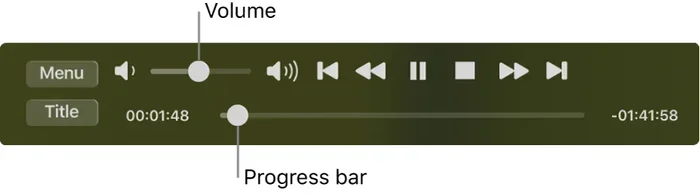
Streaming services like Netflix and Hulu still deliver content in a linear fashion. Even though you can pause, rewind, or fast-forward, the content itself follows a set order. Each episode of a TV series builds on the last one. That is linear multimedia at work.
Slideshows and Presentations
A PowerPoint presentation or a Google Slides deck is another great example. Each slide appears in order. The presenter moves from slide one to slide two to slide three. The audience cannot click ahead on their own. The flow is controlled and linear.
Many educational courses also use this format. A recorded lecture plays from start to finish. Students watch the video in sequence. They absorb information as it is presented. This is a practical use of linear multimedia in learning environments.
Podcasts and Audio Content
Podcasts are audio-based linear multimedia. Each episode has a beginning, a middle, and an end. The listener presses play and listens from start to finish. There is no branching or interactive element. The host guides the audience through the content in a fixed sequence.
Radio broadcasts work the same way. A DJ plays songs in a set order. News segments follow one after another. The listener receives everything in the designed flow. This is pure linear multimedia.
Music Videos and Animated Films
Music videos follow a linear structure. The visuals play in sync with the audio track. The viewer watches from start to finish. Animated films and short animations also fall into this category. Every frame is timed and sequenced. The viewer has no control over the playback.
Linear Multimedia vs. Interactive Multimedia
Understanding linear multimedia becomes easier when you compare it to its counterpart. Interactive multimedia gives users control over the content flow.
In interactive media, the user makes choices. A video game is the best example. Players decide where to go, what to do, and how the story unfolds. A website with clickable menus and navigation is also interactive. The user controls the journey.
Linear multimedia, on the other hand, removes that control. The creator decides everything. The audience simply receives. Here is a quick comparison.
- Linear Multimedia: Fixed sequence, no user control, single path, predictable experience.
- Interactive Multimedia: User-driven, multiple paths, branching options, customizable experience.
Both types have their place. Linear content is ideal for storytelling, education, and entertainment where a clear narrative matters. Interactive content shines when engagement, exploration, and personalization are the goals. Many modern projects combine both. A website built on Webflow might include a linear video header followed by interactive clickable elements. This blend creates a richer multimedia experience.
Why Linear Multimedia Still Matters
You might wonder why linear multimedia matters in a world full of interactive apps and immersive experiences. The answer is simple. Linear content is still the backbone of digital media consumption.
Ease of Creation and Distribution
Creating linear content is straightforward. A filmmaker shoots a movie and edits it into a sequence. A podcaster records an episode and uploads it. A teacher records a lecture and shares the video. There is no complex coding or interactive design required. This simplicity makes linear multimedia accessible to almost anyone.
Distribution is also easy. Linear content works on virtually every device. Smart TVs, phones, tablets, and computers all play linear media without special requirements. A video file plays the same way on every platform. This universality is a huge advantage.
Predictable User Experience
Creators love linear multimedia because the audience experience is predictable. Every viewer sees the same content in the same order. There are no broken links, no navigation errors, and no user confusion. The message stays clear and consistent.
This predictability is especially valuable in education and training. A company can create a linear training video and know that every employee receives the exact same information. No one misses a key point because they clicked the wrong link.
Strong Narrative Structure
Stories thrive on sequence. A beginning that sets the stage. A middle that builds tension. An end that delivers resolution. Linear multimedia is built for storytelling. Movies, documentaries, and even YouTube tutorials rely on this structure to keep audiences engaged.
When you remove the linear flow, you risk breaking the narrative. A story that jumps around randomly can confuse viewers. Linear content keeps the flow smooth and natural. This is why most films, books, and even podcasts follow a sequential format.
Audio Quality Enhances the Experience
The audio component of linear multimedia plays a huge role in how audiences perceive content. Clear sound with a good frequency response for speakers makes a big difference. Whether it is a movie soundtrack, a podcast voice, or background music in a slideshow, audio quality directly impacts the experience.
Pairing strong visuals with quality audio creates a immersive multimedia presentation. This is why creators invest in good speakers, microphones, and audio equipment. The RMS power in speakers determines how well the audio fills a room. Higher RMS power means louder, clearer sound. For linear content, this ensures every viewer or listener gets the full impact of the media.
Key Elements of Effective Linear Multimedia
Creating great linear multimedia requires attention to several key elements. Whether you are making a video, a slideshow, or an audio presentation, these components matter.
Clear Beginning, Middle, and End
Every piece of linear content needs a structure. Start with an introduction that grabs attention. Build in the middle with the core message or story. End with a conclusion that wraps things up. This classic structure works because it mirrors how our brains naturally process information.
Pacing and Timing
Pacing is critical in linear multimedia. Too fast and the audience misses important details. Too slow and they lose interest. Good creators balance quick moments with slower, reflective sections. The timing of transitions between segments also matters. A smooth transition keeps the flow natural.
Consistent Quality Across All Elements
Linear content combines different media types. Video, audio, text, and images all work together. Each element must match the others in quality. A blurry video with crisp audio feels off-balance. A well-produced piece of linear multimedia has consistent quality across every component.
Engaging Hook at the Start
You only get one chance to grab attention in linear media. The first few seconds or minutes determine whether the audience stays. Start with something compelling. A surprising fact, a striking visual, or a bold statement works well. This is called a “hook” and it is essential for keeping viewers engaged.
How Linear Multimedia Is Used in Different Industries
Linear multimedia serves many industries. Its versatility makes it a go-to format for various purposes.
Entertainment
The entertainment industry relies heavily on linear multimedia. Movies, TV shows, music videos, and animated shorts all follow a linear format. Audiences expect a set narrative. They want to be taken on a journey from start to finish. Streaming platforms deliver billions of hours of linear content every day.
Education and Training
Schools, universities, and corporate training programs use linear multimedia for instruction. Recorded lectures, tutorial videos, and training modules all follow a set sequence. Students learn best when information is presented in a logical, step-by-step order. Linear content makes this possible.
Marketing and Advertising
Brand commercials and promotional videos are classic examples of linear multimedia. A 30-second ad plays from start to finish. The message is delivered in a fixed sequence. Marketers design these ads to guide the viewer through a specific emotional journey. The linear format ensures the message lands exactly as intended.
News and Journalism
News broadcasts and video reports follow a linear structure. The anchor introduces the story. The reporter presents the facts. The segment ends with a closing thought. Viewers receive information in a controlled, sequential format. This keeps the news clear and easy to follow.
Tips for Creating Great Linear Multimedia
If you want to create your own linear multimedia, here are some practical tips to get started.
- Plan your sequence before filming or recording. Write a script or outline. Know exactly what comes first, second, and third.
- Keep it concise. Attention spans are short. Deliver your message without unnecessary filler.
- Invest in quality audio. Sound matters just as much as visuals. Use a good microphone and check your frequency response settings.
- Test on multiple devices. Make sure your content plays correctly on phones, tablets, and computers.
- Get feedback before publishing. Watch your content with a test audience. Note any confusing parts or pacing issues.
- Focus on the opening. The first 10 seconds determine whether people keep watching. Make them count.
Following these tips helps you produce linear multimedia that engages your audience and delivers your message effectively. Keep it simple, keep it clear, and keep it focused.
Common Mistakes to Avoid
Even experienced creators make mistakes with linear multimedia. Here are a few to watch out for.
- Rushing the ending: A weak conclusion leaves the audience unsatisfied. Always dedicate time to a strong closing.
- Ignoring audio quality: Poor sound can ruin even the best visuals. Invest in decent equipment.
- Overloading with information: Too much content in one piece overwhelms viewers. Keep each piece focused on one main idea.
- Skipping the outline: Jumping straight into production without a plan leads to a messy final product. Always outline first.
- Forgetting the audience: Create content for your target viewers, not for yourself. Consider their needs and preferences.
The Future of Linear Multimedia
Linear multimedia is not going anywhere. While interactive and immersive technologies grow, linear content remains the most widely consumed format. Streaming platforms, social media videos, and online courses all rely on linear delivery.
New technologies like virtual reality and augmented reality introduce interactive elements. But even in these spaces, linear content plays a role. A VR experience might include a linear introductory sequence before letting the user explore freely. Linear multimedia and interactive media will continue to coexist and complement each other.
The rise of short-form video on platforms like TikTok and Instagram Reels also proves the enduring power of linear content. These videos are short, sequential, and designed for passive viewing. They are linear multimedia at its most accessible and engaging.
Creators who master linear multimedia have a valuable skill set. The ability to tell a clear story in a fixed sequence is timeless. It works across every platform, every device, and every audience.
Conclusion
Linear multimedia is a foundational concept in digital media. It covers any content that plays in a fixed, sequential order without user interaction. From movies and TV shows to podcasts and slideshows, linear content shapes how we consume information and entertainment every day. It is simple, predictable, and powerful.
Understanding linear multimedia helps you appreciate the craft behind the content you enjoy. It also gives you the knowledge to create your own. Whether you are a student, a marketer, a teacher, or a creator, mastering linear formats gives you a strong foundation in digital storytelling.
The world of multimedia technology keeps evolving. But the principles of linear content remain solid. Plan your sequence. Focus on quality. Engage your audience from the first moment. And always remember that the best linear multimedia feels effortless to the viewer, even though a lot of work goes into making it.
So the next time you press play on a video or tune into a podcast, you will know exactly what kind of linear multimedia experience you are about to enjoy.
Frequently Asked Questions
What is the simplest definition of linear multimedia?
Linear multimedia is digital content that plays in a fixed sequence from start to finish. The user has no control over the order or pacing. A movie, a podcast, or a slideshow are all common examples.
How is linear multimedia different from interactive multimedia?
Linear multimedia follows one set path that the creator designed. Interactive multimedia lets users make choices and navigate different paths. Think of a movie versus a video game. Both are multimedia, but only one gives the user control.
Can linear multimedia include both audio and video?
Yes. Linear multimedia often combines multiple media types. A music video, for example, blends audio and visuals in a fixed sequence. A slideshow with background music and narrated text is also linear multimedia.
Is linear multimedia still relevant in 2026?
Absolutely. Even with the growth of interactive and immersive technologies, linear content remains the most widely consumed format. Streaming platforms, social media videos, and online courses all rely on linear delivery. Its simplicity and broad compatibility keep it highly relevant.
What skills do you need to create linear multimedia?
Creating effective linear multimedia requires basic storytelling skills, attention to pacing, and familiarity with media tools. You do not need advanced coding or programming. A good script, quality audio, and clear visuals are the core ingredients for great linear content.
What role does audio play in linear multimedia?
Audio is a critical component of linear multimedia. Soundtracks, voiceovers, and sound effects all enhance the viewing or listening experience. Using speakers with a good frequency response and adequate RMS power ensures the audio quality matches the visual quality for a polished final product.