Alto 12 Inch Powered Speakers
Alto 12‑inch powered speakers deliver punchy, crystal‑clear sound in a compact, easy‑to‑use package. Whether you’re a DJ, a small‑venue owner, or a home‑studio enthusiast, these speakers offer built‑in amplification, versatile connectivity, and rugged durability that let you focus on the music, not the gear.
Key Takeaways
- Built‑in amp simplifies setup: No external amplifier needed, just power and source.
- 12‑inch drivers produce deep bass: Ideal for dance floors, live bands, and cinematic mixes.
- Durable construction: Metal grilles and reinforced cabinets withstand touring rigors.
- Flexible inputs: XLR, 1/4‑inch, and RCA let you connect mixers, laptops, or phones.
- Scalable system: Can be paired for stereo or linked for larger PA arrays.
- Reasonable price point: Offers professional‑grade performance without breaking the bank.
- Easy maintenance: Removable grills and accessible wiring make troubleshooting a breeze.
📑 Table of Contents
- Introduction: Why the Alto 12‑Inch Powered Speaker Stands Out
- 1. Core Specifications and What They Mean for You
- 2. Setting Up Your Alto 12‑Inch Powered Speakers
- 3. Real‑World Applications: Where Alto 12‑Inch Speakers Shine
- 4. Comparing Alto to Other Popular 12‑Inch Powered Speakers
- 5. Maintenance, Troubleshooting, and Longevity
- 6. Buying Guide: What to Look for When Choosing Alto 12‑Inch Powered Speakers
- Conclusion: Are Alto 12‑Inch Powered Speakers Right for You?
Introduction: Why the Alto 12‑Inch Powered Speaker Stands Out
When you walk into a small club or a rehearsal space and hear that clean, thumping low end, chances are a 12‑inch powered speaker is doing the heavy lifting. The Alto line has become a go‑to for many audio‑savvy people because it blends power, portability, and price in a way that feels almost too good to be true.
In this article we’ll break down everything you need to know about the Alto 12‑inch powered speakers—from the tech that makes them work, to real‑world placement tips, to how they compare with other popular models. By the end, you’ll know exactly if these speakers are the right fit for your next gig, studio session, or home theater.
1. Core Specifications and What They Mean for You
Driver Size and Design
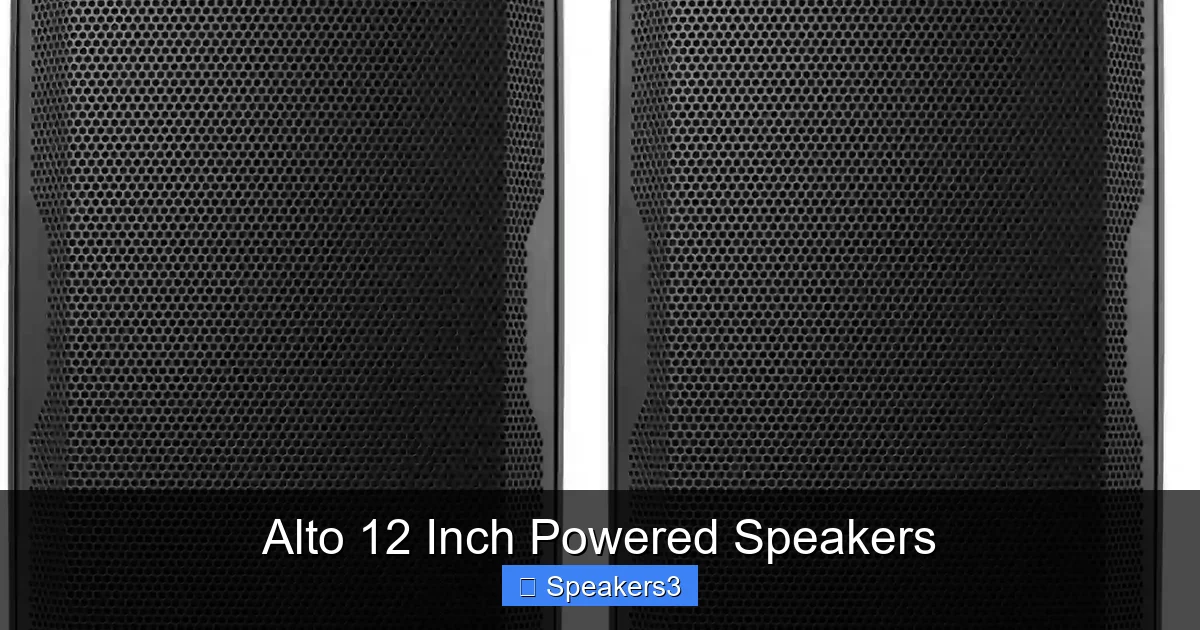
The “12‑inch” label refers to the diameter of the main woofer. A larger cone moves more air, which translates to deeper bass and higher SPL (sound pressure level). Alto’s 12‑inch drivers are typically made of a molded polypropylene cone with a rubber surround, giving a balance of rigidity and flexibility.

Visual guide about Alto 12 Inch Powered Speakers
Image source: kolala.com.vn
Built‑In Amplifier Power
Each speaker houses a Class‑D amp rated around 500 W peak (200 W RMS). Class‑D is efficient—over 90 % of the power becomes sound, meaning less heat and a lighter cabinet. The amp is matched to the driver, so you won’t need to guess the right external amp.
Frequency Response
Expect a response from roughly 45 Hz up to 20 kHz. The low end rolls off gently, which is perfect for music that relies on punchy kicks and bass guitars, while the tweeter (usually a 1‑inch dome) handles the highs without harshness.
Connectivity Options
- XLR balanced input – ideal for mixers and professional gear.
- ¼‑inch TRS (both balanced and unbalanced) – great for instrument amps.
- RCA stereo – perfect for laptops, phones, or consumer‑grade players.
All inputs feature built‑in limiters to protect the drivers from sudden spikes.
2. Setting Up Your Alto 12‑Inch Powered Speakers
Unboxing and Initial Checks
Open the box, lay the speaker on a soft surface, and verify that the grille, power cord, and any included accessories (like speaker stands) are present. Inspect the driver for any dents—shipping can be rough, and a dented cone can affect performance.
Visual guide about Alto 12 Inch Powered Speakers
Image source: shyp.gov.cn
Power and Signal Flow
Plug the speaker into a grounded AC outlet using the supplied power cord. Next, connect your source:
- For a DJ mixer, use XLR cables to the “Line In” jack.
- If you’re streaming from a laptop, a 3.5 mm to RCA cable works fine.
- For instruments, a ¼‑inch TRS cable gives the cleanest signal.
Turn the volume knob up gradually; the built‑in limiter will prevent distortion even if you push the source max.
Positioning for Optimal Sound
Place the speakers on sturdy stands or a flat, vibration‑free surface. Aim the tweeters toward the listening area and tilt the cabinets slightly upward (about 5‑10 degrees). This “toe‑up” stance helps the high frequencies reach the audience while the bass stays grounded.
For larger rooms, consider a stereo pair spaced about 6‑8 feet apart and angled inward. If you need more coverage, you can link two pairs using the speaker’s “link” output to create a 4‑speaker array.
3. Real‑World Applications: Where Alto 12‑Inch Speakers Shine
Live Music Venues
Small clubs (capacity 100‑300) love the Alto 12‑inch because a single speaker can fill the room with 100‑120 dB SPL without distortion. Pairing two gives a clean stereo field that lets the audience feel every drum hit.
Visual guide about Alto 12 Inch Powered Speakers
Image source: pic.616pic.com
DJ and Mobile Parties
Portability matters on the road. The Alto’s lightweight chassis (about 35 lb) fits in most vehicle trunks. With built‑in handles and a rugged grille, they survive the bumps of touring.
Home Studios and Podcasting
When you’re tracking vocals or mixing a podcast, you need accurate mids and tight lows. The 12‑inch driver delivers a flat response that lets you hear the true balance of your mix. Pair with a near‑field monitor for critical listening.
Home Theater
While not a full‑range cinema system, a pair of Altos can act as front left/right speakers. Add a dedicated center channel and a sub‑woofer for a complete home‑theater setup.
4. Comparing Alto to Other Popular 12‑Inch Powered Speakers
Alto vs. Pro Studio 15‑Inch (See Pro Studio Speakers 15 Inch)
The Pro Studio 15‑inch offers a larger driver and higher SPL, which is great for large venues, but it also weighs more and costs significantly more. Alto gives you most of the punch in a lighter, more affordable package—perfect for medium‑size rooms.
Alto vs. QSC K12 (Cordless Option)
If you value wireless connectivity, QSC’s cordless solutions (Cordless For Powered Qsc Speakers) are appealing. However, the Alto’s simple wired setup eliminates latency and interference, making it more reliable for critical sound work.
Alto vs. Marine‑Grade Speakers
Marine speakers like the JL Audio 6‑5 are built to resist water and UV exposure (Jl Audio 6 5 Marine Speakers). For indoor use, the Alto’s lighter construction and lower price are more sensible.
5. Maintenance, Troubleshooting, and Longevity
Cleaning the Grille and Cabinet
Dust can muffle sound. Use a soft brush or compressed air to clear the grille regularly. Wipe the cabinet with a slightly damp cloth—never spray liquids directly.
Checking Connections
If you notice hiss or crackle, first inspect the cables. Loose plugs often cause noise. The internal wiring is accessible via a rear panel; a quick visual check can reveal frayed wires.
When Speakers Crackle
For a deeper dive on crackling issues, read our guide on Why Do My Speakers Crackle. Often, a faulty amp or a damaged driver cone is the culprit.
Replacing a Driver
Should the woofer fail, the Alto is designed for easy driver swaps. Remove the rear panel, disconnect the speaker wire, and replace with a compatible 12‑inch driver (same impedance, usually 8 Ω).
Extending Lifespan
Store the speakers in a dry, temperature‑controlled environment. Avoid exposing them to direct sunlight for extended periods, as heat can degrade the foam surround over time.
6. Buying Guide: What to Look for When Choosing Alto 12‑Inch Powered Speakers
Power Rating and Room Size
Match the speaker’s RMS wattage to the room’s volume. For a 500‑sq‑ft space, 200 W RMS per speaker is ample. Larger rooms may need multiple pairs or supplemental sub‑woofers.
Impedance Compatibility
Most Altos are 8 Ω. If you plan to wire speakers in series or parallel, understand the resulting load. Our article on 2 8 Ohm Speakers In Series explains the math.
Connectivity Needs
Ask yourself: Will you connect a mixer, a laptop, or a smartphone? Ensure the speaker offers the right mix of XLR, TRS, and RCA inputs.
Portability vs. Weight
If you’ll be touring, look for models with built‑in handles and lighter cabinets. The Alto’s 35‑lb weight strikes a good balance.
Warranty and Support
Check the manufacturer’s warranty—most reputable brands offer at least a two‑year limited warranty covering the amp and drivers.
Conclusion: Are Alto 12‑Inch Powered Speakers Right for You?
Alto 12‑inch powered speakers deliver a blend of power, clarity, and convenience that suits a wide range of users. Whether you’re feeding a dance floor, mixing a track, or setting up a modest home‑theater, these speakers give you professional‑grade sound without the hassle of external amplifiers.
By focusing on robust drivers, efficient built‑in amplification, and versatile inputs, Alto makes the setup process straightforward and the performance reliable. Pair them with a decent mixer, add a sub‑woofer if you crave extra low‑end, and you’ve got a sound system that will grow with your needs for years to come.
Frequently Asked Questions
What makes a 12‑inch powered speaker different from a passive one?
A powered speaker has a built‑in amplifier, so you only need a power outlet and an audio source. A passive speaker requires an external amp, adding cost and complexity.
Can I use the Alto speakers outdoors?
Yes, but protect them from moisture and direct sunlight. For full outdoor durability, consider a marine‑grade model.
How many Alto 12‑inch speakers do I need for a 1,000‑sq‑ft venue?
Typically, a pair will cover up to 800 sq ft comfortably. Adding a second pair or a dedicated sub‑woofer will ensure even coverage for larger spaces.
Do the speakers support Bluetooth streaming?
Alto’s standard models do not have built‑in Bluetooth. You can add a Bluetooth receiver via the RCA input for wireless playback.
Is it safe to stack two Alto speakers on top of each other?
Stacking is not recommended because it can block the drivers and cause overheating. Use separate stands and maintain proper spacing.
What should I do if the speaker stops producing sound?
First, check the power cord and input cables. If everything is connected, test the speaker with a different source. If it still won’t play, contact the manufacturer’s support for warranty service.