Can 6×9 Speakers Fit 6 3 4
Can 6×9 speakers fit 6 3 4? The short answer is no, not directly. These sizes have different mounting patterns and cutout dimensions. However, with custom adapters or bracket modifications, you can sometimes make them work. Always measure your existing holes and check depth clearance before buying. This guide explains everything you need to know about speaker compatibility and safe installation methods.
Upgrading your car audio system starts with one simple question: will the new speakers fit? Many people ask, can 6×9 speakers fit 6 3 4, because they want better sound without replacing their whole dashboard or rear deck. The answer depends on measurements, mounting shapes, and a little creativity. In this guide, we break down the differences, the workarounds, and the smart way to plan your install.
Speaker sizing can feel confusing at first. Two speakers can look similar yet have different cutout circles, screw patterns, and mounting depths. That is why a quick measurement saves time and money. We will walk through what each size means, where the conflicts happen, and how to decide if an adapter makes sense for your vehicle.
Key Takeaways
- Size mismatch: 6×9 and 6 3/4 speakers differ in diameter and mounting geometry.
- Direct fit is rare: You usually cannot drop a 6×9 into a 6 3/4 slot without modification.
- Adapters help: Custom brackets or foam adapters can bridge the gap in some cases.
- Depth matters: Check rear clearance to avoid hitting your dashboard or rear deck.
- Sound trade-offs: Forcing a fit can change sound staging and reduce bass response.
- Measure first: Always measure cutout diameter, mounting depth, and screw patterns.
- Plan the install: Use proper wiring, secure mounting, and test before final assembly.
📑 Table of Contents
What Does 6×9 Really Mean
The name 6×9 tells you the shape of the speaker frame. It is not a perfect circle. The front face is roughly six inches wide by nine inches tall. This rectangular shape gives more surface area for the cone, which often helps with midrange and bass output. Many rear decks and some dash locations are built for this shape.
Because the frame is wider, the mounting holes sit in a specific pattern. The cutout hole is also larger than a round speaker. If your car was designed for a round speaker, the 6×9 frame may not line up. That is where the fit question begins. You need to compare the cutout, the mounting ledge, and the depth behind the location.
Common Traits of 6×9 Speakers
These speakers often appear in rear decks, SUV cargo areas, and some custom enclosures. They can move more air than a small round speaker, which can make music feel fuller. Many models come in two-way or three-way designs, so you can choose between simple coaxials and component setups. If you want stronger mids and bass, this size is a strong candidate.
On the other hand, the larger frame needs more room. You must check the available depth and the shape of the opening. A tight space can limit your options. If the location is already crowded, a smaller round speaker may be the better choice.
What Is a 6 3/4 Speaker
A 6 3/4 speaker is a round speaker that measures about six and three-quarter inches across. People often call it a 6.75 or 6 3/4 size. It is a common replacement size for many door locations and some dash positions. The round shape makes it easier to fit into circular cutouts and standard mounting holes.
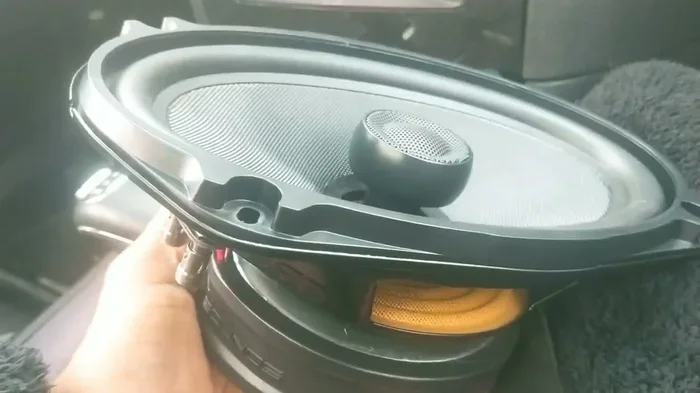
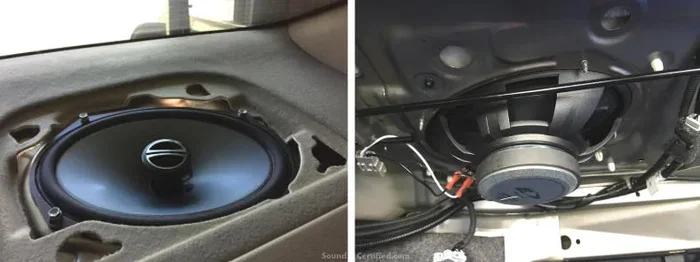
Visual guide about 6×9 speaker installation closeup
Image source: i.ytimg.com
This size sits between smaller 6 1/2 units and larger 6×9 frames. It offers a nice balance of output and space efficiency. You get decent bass without needing a huge opening. That is why many factory locations use this size as a middle ground.
Where 6 3/4 Speakers Usually Go
You will often find this size in front doors, rear doors, and some dash pods. The mounting pattern is round, so the cutout is a clean circle. Screw holes usually follow a standard layout that fits many vehicles. If your car uses this size from the factory, the hole and the ledge are already set up for it.
If you want to put a different shape into this location, you must check two things. First, does the new speaker cover the hole without hanging over the edge? Second, does the frame sit flush or block nearby controls? These details matter more than people expect.
Can 6×9 Speakers Fit 6 3 4 Locations
So, can 6×9 speakers fit 6 3 4 spaces directly? In most cases, no. The mounting shapes are different. A rectangular frame does not match a round cutout. The screw holes will not line up, and the frame may overhang the opening. Even if the speaker sits in place, it may not seal well or mount securely.
Some people try to make it work with foam, wood, or metal adapters. That can solve the shape problem, but it introduces new concerns. You must keep the speaker stable, avoid vibration, and protect the surrounding trim. If the adapter is too thick, you may lose depth or interfere with other parts. A shaky mount can also hurt sound quality because the frame moves.
When an Adapter Might Work
An adapter can help when the round hole is large enough and the depth is generous. You can build a ring that supports the 6×9 frame and aligns the mounting holes. This approach works best if you are comfortable with basic fabrication or can buy a pre-made kit. It also helps when the surrounding area is open, so a small overhang is not a problem.
Still, you should test the fit before gluing or screwing anything down. Place the speaker in the hole and check the edges. Look for rubbing, blocked access, or awkward angles. If the speaker touches the dash, the glass, or the rear deck, you need a different plan.
When It Is Not Worth It
If the opening is small or the space is tight, forcing a 6×9 into a 6 3/4 location can create more trouble than it solves. You may end up with poor sealing, weak mounting, and extra noise from rattling. In some cars, the rear deck has limited depth, so a larger frame simply does not belong there. In those cases, a round speaker that matches the factory size is the safer choice.
Another reason to pause is sound staging. A speaker that sits too far forward or too far back can change how the music reaches your ears. If the fit feels awkward, the listening experience may suffer. It is better to choose a speaker that suits the location than to bend the location to the speaker.
Key Measurements Before You Buy
Before you spend money, measure the three main things that affect fit. These are the cutout diameter, the mounting depth, and the screw pattern. Each one tells you something important. Together, they show whether a speaker can live happily in your chosen spot.
Start with the cutout. Use a ruler or caliper to check the diameter of the existing hole. Then compare that number to the speaker cutout spec. If the new speaker needs a larger hole, you may need to cut more material. If the hole is already too big, the speaker may not seal properly.
Mounting Depth
Depth matters because the speaker cone and magnet need room behind the mounting surface. If the space is shallow, the magnet can hit the back panel or the rear deck. That limits how large a speaker you can use. A 6×9 speaker often needs more depth than a small round speaker, so check this carefully.
To measure depth, place a ruler from the mounting surface to the nearest obstacle behind it. Leave some clearance so the speaker can vibrate without hitting anything. If you are close to the limit, choose a shallower model or a different size.
Screw Pattern and Mounting Ledge
The screw pattern is the spacing of the mounting holes on the frame. If the pattern does not match, the speaker will not secure properly. Some adapters can help here, but they should not be the only thing holding the speaker in place. A solid mount keeps the speaker stable and reduces buzzing.
Also check the mounting ledge. Many speakers sit on a small lip that helps hold them in the hole. If the new speaker has a different ledge shape, it may not rest correctly. That can cause gaps, which may affect bass and increase road noise.
Sound Quality and Practical Trade-Offs
Fit is not the only thing that matters. You also want good sound and a clean install. A speaker that fits loosely can rattle, which adds noise and reduces clarity. A speaker that sits too deep may be muffled by the surrounding material. A speaker that sticks out too far can interfere with trim pieces or cargo space.
Larger frames can move more air, but they also need more room to do it well. If you squeeze a 6×9 into a tight 6 3/4 spot, you may lose some of the benefit. The speaker may be blocked on one side, which changes its output. In that case, a well-matched round speaker can sound cleaner than a forced fit.
Why Matching the Location Helps
When the speaker matches the location, you usually get a better seal and a more stable mount. That means less vibration and more consistent sound. It also makes the install easier, which lowers the chance of mistakes. If you are doing the work yourself, a straightforward fit saves time and frustration.
If you are chasing stronger bass, think about the whole system, not just the speaker size. A good enclosure, proper wiring, and a suitable amplifier can do a lot. Sometimes a round speaker with solid power and a good enclosure beats a larger speaker that is poorly placed.
Installation Tips for a Clean Fit
If you decide to move forward, plan the install carefully. Start by removing the old speaker and cleaning the area. Check for rust, cracks, or loose trim. A clean surface helps the new speaker sit properly and last longer.
Next, test the fit without locking everything down. Hold the speaker in place and check the edges, depth, and access to the terminals. Make sure the wiring can reach without strain. If you need an adapter, mock it up first so you can adjust the thickness and shape.
Mounting and Wiring Basics
Use the right hardware for the frame. Do not rely on tape or loose foam if the speaker needs real support. Secure screws should be snug, but not over-tightened. Over-tightening can crack the frame or distort the mounting surface.
For wiring, keep the connections neat and protected. Use proper connectors and seal any exposed metal if the area is damp. If you are adding an amplifier, make sure the wire gauge matches the power needs. A tidy install is easier to troubleshoot later and looks more professional.
Quick Tips for a Safer Install
- Measure twice: Check cutout size, depth, and screw spacing before buying.
- Test first: Hold the speaker in place before drilling or gluing anything.
- Leave clearance: Give the cone room to move without hitting nearby parts.
- Secure the frame: Use proper screws and a stable adapter if needed.
- Protect the wires: Keep connections clean, tight, and away from sharp edges.
Common Mistakes to Avoid
One common mistake is assuming all 6-inch-class speakers are interchangeable. They are not. A 6 3/4 speaker and a 6×9 speaker may share a similar number in the name, but their shapes and mounting needs are different. Always check the actual specs instead of guessing.
Another mistake is ignoring depth. People focus on the front hole and forget the space behind it. If the magnet hits the panel, the speaker will not work properly. That can lead to damage and a frustrating return process.
Mistakes That Hurt Sound
Some installs suffer because the speaker is not sealed well. Gaps around the frame can let air leak, which weakens bass. Other installs fail because the speaker is mounted too loosely. Vibration then creates buzzing that masks detail in the music.
A third issue is poor wire routing. Wires that are too tight, pinched, or exposed can cause problems later. Plan the path before you commit. A few extra minutes here can save hours of troubleshooting.
Expert Insights on Speaker Swapping
Experienced installers usually say the same thing: match the speaker to the location first, then chase performance. A speaker that fits well is easier to mount, easier to seal, and easier to enjoy. If you want more output, look at power handling, enclosure design, and amplifier matching as well.
If you are considering a 6×9 in a round hole location, ask yourself why. If the goal is more bass, there may be better ways to get it without forcing the fit. If the goal is to use a specific model you already love, then an adapter may be worth it. Just make sure the adapter is strong, stable, and sized correctly.
Key Takeaways for Decision-Making
- Prefer a natural fit: A speaker that matches the hole usually installs better.
- Check depth early: Shallow spaces limit your speaker choices.
- Use adapters wisely: They can help, but they should improve stability, not replace it.
- Think about sound: A good fit often sounds better than a forced fit.
- Plan the whole path: Wiring, clearance, and trim access matter too.
Final Thoughts on Speaker Fit
So, can 6×9 speakers fit 6 3 4 locations? Usually not without some modification, and sometimes not at all. The shapes are different, and the mounting needs do not always line up. That does not mean you cannot upgrade your sound. It just means you should measure carefully and choose the speaker that suits your space.
If your goal is a simple swap, pick a speaker that matches the factory size. If your goal is more output, consider a well-fitted round speaker with proper power and enclosure support. If you still want to try a 6×9, build or buy an adapter only after you confirm the depth and clearance. A careful plan gives you better sound and a cleaner install.
Frequently Asked Questions
Can I put a 6×9 speaker in a 6 3/4 hole without an adapter?
Usually not. The mounting shapes are different, so the frame and screw holes will not line up properly. You normally need an adapter or a different speaker size.
What is the main difference between 6×9 and 6 3/4 speakers?
The main difference is shape and mounting geometry. A 6×9 speaker has a rectangular frame, while a 6 3/4 speaker is round. That affects the cutout size, screw pattern, and available depth.
Will an adapter make a 6×9 fit safely?
It can in some cases, if the hole and depth allow it. The adapter must support the speaker firmly and not block nearby parts. Test the fit before you finalize the install.
What should I measure before buying speakers?
Measure the cutout diameter, mounting depth, and screw pattern. Also check how much room is behind the mounting surface. These numbers tell you whether the speaker can fit properly.
Can forcing a speaker into a smaller space hurt sound quality?
Yes. Poor sealing, loose mounting, and blocked movement can reduce bass and add vibration. A better fit usually gives cleaner sound and less noise.
Is a round speaker a better choice for a 6 3/4 location?
Often yes, because the round shape matches the cutout and mounting pattern more naturally. That usually makes the install easier and the seal better. It can also improve stability and sound consistency.