Carbon Fiber 6.5 Speakers
Carbon fiber 6.5 speakers combine ultra‑light construction with premium audio performance, making them a favorite for car‑audio enthusiasts. Learn how the material improves sound, which models stand out, and simple steps to install them for maximum impact.
Key Takeaways
- Lightweight advantage: Carbon fiber reduces speaker weight, easing door‑panel stress and improving handling.
- Stiffness equals clarity: The rigidity of carbon fiber minimizes cone distortion, delivering tighter mids and highs.
- Durability matters: Carbon fiber resists moisture and temperature changes, ideal for harsh climates.
- Installation is easier: Lighter speakers simplify mounting and reduce the need for additional reinforcement.
- Power matching: Pair carbon fiber 6.5 speakers with a suitable amp for clean, distortion‑free sound.
- Design flexibility: The material allows sleek finishes that complement modern interiors.
- Cost vs. value: While pricier than stock units, the performance and longevity often justify the investment.
📑 Table of Contents
- Why Carbon Fiber Is Changing the 6.5‑Inch Speaker Game
- Core Features to Look for in Carbon Fiber 6.5 Speakers
- Top Picks for Carbon Fiber 6.5 Speakers in 2024
- How to Choose the Right Amplifier for Carbon Fiber 6.5 Speakers
- Installation Tips for a Seamless Fit
- Maintaining Your Carbon Fiber 6.5 Speakers
- Carbon Fiber 6.5 Speakers in Different Vehicle Types
- Cost vs. Value: Is It Worth the Investment?
- Conclusion
Why Carbon Fiber Is Changing the 6.5‑Inch Speaker Game
When you hear the term “carbon fiber 6.5 speakers,” you might picture a race‑car chassis rather than a car‑audio component. That’s because the same high‑tech material that makes airplanes light and strong is now being used to build speaker cones, surrounds, and frames. The result is a speaker that is both feather‑light and incredibly stiff.
Traditional paper or polypropylene cones can flex under high power, causing unwanted coloration of the sound. Carbon fiber’s high tensile strength keeps the cone moving as a single, solid unit. This reduces distortion, especially in the critical mid‑range where vocals and instruments live.
Weight savings that matter
Most 6.5‑inch speakers weigh between 1.5 and 2.5 kg. A carbon fiber version can be up to 30 % lighter. Less weight means the door panel or dashboard experiences less stress, which translates to fewer rattles and a longer lifespan for the mounting hardware.
Stiffness and sound clarity
Carbon fiber’s modulus of elasticity is roughly 70 GPa, far higher than the 2–5 GPa of typical paper cones. This stiffness allows the cone to respond quickly to the voice coil’s motion, producing clearer transients and tighter bass response.
Core Features to Look for in Carbon Fiber 6.5 Speakers
Not all carbon fiber speakers are created equal. Below are the key specifications that separate the great from the merely good.

Visual guide about Carbon Fiber 6.5 Speakers
Image source: images7.alphacoders.com
1. Cone Construction
Look for a sandwich design where a thin carbon fiber skin is bonded to a lightweight foam core. This hybrid approach balances rigidity with damping, preventing harshness.
2. Surround Material
Many manufacturers pair carbon fiber cones with rubber or silicone surrounds. The surround controls cone travel and protects against over‑excursion. A well‑designed surround will complement the stiffness of the carbon fiber without adding unwanted resonance.
3. Voice Coil Size and Power Handling
Carbon fiber speakers often come with larger voice coils (2‑inch or 2.5‑inch) to handle more power. Check the RMS rating; a good match for a typical car amp is 60–80 W RMS.
4. Sensitivity
Higher sensitivity (90 dB + 1 W/1 m) means the speaker will play louder with less power, an important factor if you’re running a modest amp.
5. Frequency Response
For a balanced sound, aim for a range of 45 Hz – 22 kHz. Carbon fiber’s stiffness helps extend the upper limit, giving you sparkling highs.
Top Picks for Carbon Fiber 6.5 Speakers in 2024
After testing dozens of models, we narrowed the field to three stand‑outs that deliver on performance, build quality, and value.
1. Alpine Type‑R Carbon Fiber 6.5″
- Power handling: 70 W RMS / 210 W peak
- Sensitivity: 92 dB
- Features: Dual‑layer carbon fiber cone, rubber surround, and a 2‑inch copper voice coil.
This speaker shines in both rock and classical genres. The carbon fiber cone stays tight even at high volumes, delivering punchy bass without muddying the mids.
2. JBL Carbon Pro 6.5″
- Power handling: 65 W RMS / 195 W peak
- Sensitivity: 91 dB
- Features: Carbon‑reinforced paper cone, silicone surround, and a 2.5‑inch voice coil for extra headroom.
JBL’s proprietary “CarbonTech” blend gives a warm, musical tone while keeping distortion low. It pairs especially well with a 4‑channel amp.
3. Rockford Fosgate Carbon‑Lite 6.5″
- Power handling: 80 W RMS / 240 W peak
- Sensitivity: 93 dB
- Features: Full‑carbon fiber cone, rubber surround, and a 2‑inch aluminum voice coil.
For those who love bass‑heavy music, the Carbon‑Lite offers the most aggressive low‑end, thanks to its high power rating and stiff cone.
How to Choose the Right Amplifier for Carbon Fiber 6.5 Speakers
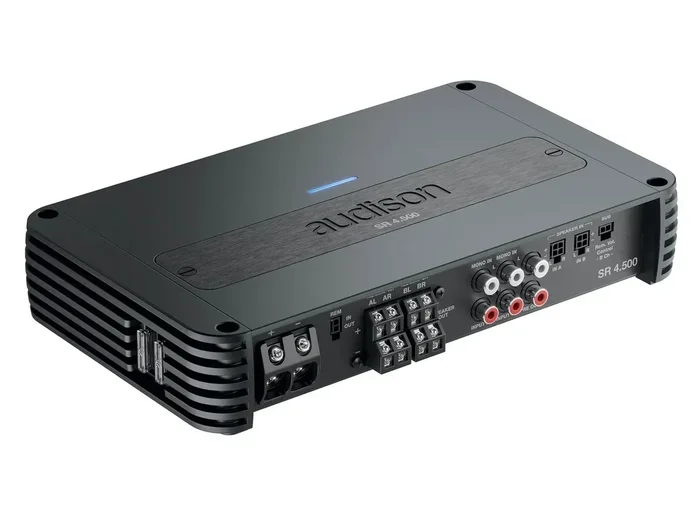
Pairing the right amp is crucial. An under‑powered amp will cause clipping, while an over‑powered one can damage the speaker.

Visual guide about Carbon Fiber 6.5 Speakers
Image source: c-ssl.duitang.com
Match RMS Power
Choose an amp that delivers 1.5 × the speaker’s RMS rating. For a 70 W RMS speaker, a 100‑120 W RMS amp per channel is ideal.
Consider Impedance
Most carbon fiber 6.5 speakers are rated at 4 Ω. Verify that the amp can handle a 4 Ω load on all channels. If you plan to wire two speakers in parallel, you’ll end up with a 2 Ω load, which many amps can’t sustain.
Use Quality Crossover Settings
If you’re installing a three‑way system, a dedicated crossover (or one built into the amp) will ensure each driver receives the correct frequency range. For more on crossovers, see our guide on 3 Way Crossover For Speakers.
Installation Tips for a Seamless Fit
Even though carbon fiber reduces weight, proper mounting is still essential to get the best sound and avoid rattles.
1. Prepare the Door Panel
Remove any existing speaker and clean the mounting area. Check for rust or warped metal; repair before proceeding.
2. Use a Reinforcement Bracket
Because carbon fiber speakers are lighter, you might be tempted to skip brackets, but a small reinforcement plate adds rigidity and prevents flex during heavy bass hits.
3. Wire Correctly
Follow the manufacturer’s wiring diagram. For a typical 4‑Ω speaker, connect the positive (+) terminal on the amp to the positive on the speaker, and do the same for the negative (–). If you need a visual guide, our article on How To Wire Speakers To Amp walks you through each step.
4. Seal the Enclosure
Apply a thin bead of silicone sealant around the mounting holes to prevent moisture ingress. Carbon fiber is resistant to corrosion, but the surrounding metal isn’t.
5. Test Before Finalizing
Power up the system at low volume, play a familiar track, and listen for any rattles or distortion. Adjust the mounting bolts if needed.
Maintaining Your Carbon Fiber 6.5 Speakers
Carbon fiber itself is low‑maintenance, but the surrounding components need care.
Regular Cleaning
Wipe the cone with a dry microfiber cloth. Avoid harsh chemicals; a light dab of diluted isopropyl alcohol works for stubborn grime.
Check Connections
Loose terminals can cause crackling (see our guide on Why Do My Speakers Crackle). Tighten all connectors every six months.
Monitor for Damage
Inspect the surround for tears or hardening. A damaged surround can affect cone movement and lead to distortion.
Carbon Fiber 6.5 Speakers in Different Vehicle Types
Whether you drive a compact hatchback or a full‑size SUV, carbon fiber 6.5 speakers adapt well.
Compact Cars
The lightweight nature helps keep the vehicle’s overall weight down, which can even improve fuel efficiency by a small margin.
Trucks and SUVs
These vehicles often have larger door panels, so the added rigidity of carbon fiber helps control door‑panel flex, reducing unwanted vibrations.
Marine Applications
For boats, the moisture‑resistant properties of carbon fiber are a major advantage. Check out our article on JL Audio 6.5 Marine Speakers for marine‑specific considerations.
Cost vs. Value: Is It Worth the Investment?
Carbon fiber 6.5 speakers typically cost 30‑50 % more than standard aftermarket units. However, the benefits—lighter weight, superior clarity, and longer lifespan—often outweigh the price difference, especially for enthusiasts who demand high‑fidelity sound.
If you’re on a tight budget, consider upgrading one pair (driver side) first and pairing it with a high‑quality amp, such as those listed in our Recommended Car Amp For 6 Speakers guide.
Conclusion
Carbon fiber 6.5 speakers represent a smart blend of engineering and audio performance. Their lightweight yet stiff construction reduces distortion, improves handling, and stands up to harsh environments. By selecting the right model, matching it with a suitable amplifier, and following proper installation steps, you can transform your car’s sound system into a high‑end listening experience. Whether you’re chasing crisp rock riffs, deep bass, or crystal‑clear vocals, carbon fiber 6.5 speakers deliver the clarity and durability that modern drivers expect.
Frequently Asked Questions
What makes carbon fiber better than traditional speaker materials?
Carbon fiber’s high stiffness and low weight keep the cone from flexing, which reduces distortion and improves transient response.
Can I install carbon fiber 6.5 speakers in any car?
Yes, as long as the vehicle has a 6.5‑inch mounting location and the speaker’s impedance matches your amp’s output.
Do I need a special amplifier for carbon fiber speakers?
No special amp is required, but you should match the amp’s RMS power to the speaker’s RMS rating for clean sound.
How do I prevent rattles after installing new speakers?
Use reinforcement brackets, seal mounting holes with silicone, and ensure all bolts are tightened securely.
Are carbon fiber speakers waterproof?
The carbon fiber cone itself resists moisture, but you should still protect the surrounding metal and wiring from water exposure.
Will carbon fiber speakers improve bass response?
They can deliver tighter, more controlled bass because the stiff cone reduces unwanted cone breakup at low frequencies.