Does Hdmi 2 0 Matter
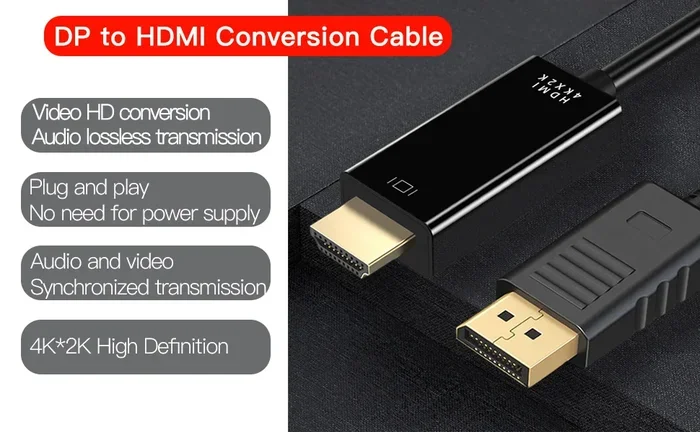
HDMI 2.0 brings 4K at 60Hz, higher bandwidth, and better color depth to your display setup. For most gamers and home theater users, it is a solid standard that still holds up. However, if you want 8K or 120Hz 4K, you will need HDMI 2.1 instead.
You just bought a new TV or monitor. The box says it supports HDMI 2.0. But wait, does that even matter? You might be staring at your setup wondering if this version number is just marketing fluff or if it actually changes your viewing experience.
The short answer is yes, HDMI 2.0 does matter. But how much it matters depends on what you are doing. Are you gaming in 4K? Watching movies? Just browsing on a basic monitor? Let us break it all down so you know exactly what you are getting.
HDMI standards can feel confusing. There is 1.4, 2.0, 2.1, and now even newer versions on the horizon. Each one brings something new to the table. In this article, we will focus on HDMI 2.0 and help you decide if it is worth caring about in your setup.
Key Takeaways
- HDMI 2.0 supports 4K at 60Hz, which covers most modern TVs and monitors.
- It offers 18 Gbps bandwidth, which is enough for HDR content and Blu-ray quality.
- HDMI 2.0 matters most for 4K gaming and home theater setups.
- HDMI 2.1 is the next step, offering 48 Gbps and support for 8K and 120Hz.
- Older devices do not benefit from HDMI 2.0 if they only output 1080p.
- Check your source and display before buying a new cable.
📑 Table of Contents
What Is HDMI 2.0?
HDMI 2.0 is a high-definition multimedia interface standard released in 2013. It replaced the older HDMI 1.4 and brought meaningful upgrades to how devices send video and audio through a single cable. Think of it as the highway that carries your picture and sound from your source to your screen.
Here is what HDMI 2.0 brought to the party:
- 4K resolution at 60Hz — smooth and clear for gaming and movies.
- 18 Gbps bandwidth — double the speed of HDMI 1.4.
- Support for HDR — High Dynamic Range for richer colors and deeper blacks.
- 32 audio channels — support for immersive surround sound.
- Audio Return Channel (ARC) — sends audio back to your soundbar or receiver.
- Consumer Electronics Control (CEC) — control multiple devices with one remote.
Before HDMI 2.0, you were stuck at 4K but only 30Hz. That meant choppy motion, especially in games. HDMI 2.0 doubled the refresh rate to 60Hz, which changed everything for home entertainment.
HDMI 2.0 vs HDMI 1.4: What Changed?
It helps to compare HDMI 2.0 with its predecessor. HDMI 1.4 was the standard for years, and many older devices still use it. Here is how they stack up.
Resolution and Refresh Rate
HDMI 1.4 could do 4K, but only at 30Hz. That is fine for watching a movie, but terrible for gaming. HDMI 2.0 pushed that to 60Hz at 4K. This alone made a huge difference for anyone who plays games on a big screen.
Bandwidth
Bandwidth is the amount of data the cable can carry per second. HDMI 2.0 doubled the bandwidth to 18 Gbps. That means more data flows through the cable, which equals better picture quality and smoother motion.
Color Depth
HDMI 2.0 supports 10-bit and 12-bit color depth. This means smoother gradients and more accurate colors. If you watch HDR content, this matters a lot. HDMI 1.4 was limited to 8-bit color, which looks flat by comparison.
Audio Improvements
With 32 audio channels, HDMI 2.0 supports formats like Dolby Atmos and DTS-HD Master Audio. HDMI 1.4 could not handle these advanced audio formats natively.
If you are still using HDMI 1.4 cables, upgrading to HDMI 2.0 cables is one of the easiest ways to improve your setup. It is a small change that makes a big impact.
Does HDMI 2.0 Matter for 4K Gaming?
This is the question most gamers ask. The answer depends on your console, your TV, and what you want out of gaming.
HDMI 2.0 is the sweet spot for 4K gaming at 60Hz. Both the PlayStation 5 and Xbox Series X support 4K at 60Hz, and HDMI 2.0 cables can handle that just fine. You get smooth gameplay, vibrant HDR colors, and great audio all through one cable.
Here is when HDMI 2.0 really matters for gaming:
- You play on a 4K TV or monitor. Without HDMI 2.0, you are stuck at 30Hz, which feels laggy.
- You watch HDR content. HDMI 2.0 supports HDR10 and HDR metadata, which makes games and movies pop.
- You want surround sound through your TV. HDMI 2.0 passes advanced audio formats without needing extra cables.
- You use a gaming PC. If your GPU outputs 4K at 60Hz, you need HDMI 2.0 or better to see it.
However, if you game at 1080p or 1440p, HDMI 2.0 is overkill. Even HDMI 1.4 handles those resolutions easily at high refresh rates. The cable becomes important when you push the resolution and frame rate higher.
For the best gaming experience, pair your HDMI 2.0 setup with a fast storage drive. A good NVMe M.2 SSD cuts down load times dramatically. Check out the best NVMe M.2 SSD options to speed up your gaming rig.
HDMI 2.0 and Your Home Theater Setup
Home theater fans should pay close attention to HDMI 2.0. It is not just about gaming. Movies, streaming, and music all benefit from this standard.
Streaming and Blu-ray Quality
Streaming services like Netflix and Disney+ offer 4K HDR content. To get the full experience, you need a source device that supports HDMI 2.0 and a TV that can display it. The cable itself must also be HDMI 2.0 certified. Using an older cable means you might get 4K, but without HDR or at a lower frame rate.
Soundbar and Receiver Connections
HDMI 2.0 supports ARC (Audio Return Channel). This lets your TV send audio back to a soundbar or AV receiver through the same HDMI cable. It is a huge convenience. You do not need optical audio cables or extra connections.
If you have a home theater system, make sure all your devices support HDMI 2.0 for the best results. A Blu-ray player, soundbar, and 4K TV all connected with HDMI 2.0 cables will give you theater-quality picture and sound at home.
Multi-Device Setups
Many people have multiple devices connected to their TV — a streaming stick, a game console, a soundbar, and a Blu-ray player. HDMI 2.0 handles all of these without breaking a sweat. The 18 Gbps bandwidth is more than enough for any single source device.
For setups with laptops or PCs, fast storage helps with smooth playback of high-resolution content. A 1TB PCIe 4.0 NVMe M.2 SSD ensures your media library loads quickly and runs without stutter.
When Does HDMI 2.0 NOT Matter?
Not everyone needs HDMI 2.0. Let us be honest about when it does not make a difference.
You game at 1080p or 1440p. These resolutions do not need the extra bandwidth of HDMI 2.0. Even HDMI 1.4 handles them well at high refresh rates. If your monitor is 1080p at 144Hz, a basic HDMI cable works perfectly.
You watch standard HD content. If you mainly watch 720p or 1080p content on Netflix or cable TV, HDMI 2.0 will not change your experience. The content itself is not 4K, so the cable cannot add quality that is not there.
Your devices do not support it. This is a big one. If your source device only outputs HDMI 1.4 signals, no HDMI 2.0 cable will upgrade the output. The cable can only carry what the device sends. Check both your source and display for HDMI 2.0 compatibility before buying.
You use older laptops or budget devices. Many budget laptops and older PCs do not have HDMI 2.0 ports. They might have HDMI 1.4 or even DisplayPort. In those cases, the cable version does not matter as much as the port version.
Should You Upgrade to HDMI 2.1 Instead?
Now that we have covered HDMI 2.0, let us talk about HDMI 2.1. This is the newest mainstream standard, and it is where the industry is heading.
HDMI 2.1 offers 48 Gbps of bandwidth. That is 2.5 times more than HDMI 2.0. With that extra bandwidth, you get:
- 4K at 120Hz — ultra-smooth gaming and motion.
- 8K at 60Hz — future-proof resolution for big screens.
- Dynamic HDR — frame-by-frame HDR for the best picture quality.
- Variable Refresh Rate (VRR) — reduces screen tearing in games.
- Quick Frame Transport (QFT) — lowers input lag for competitive gaming.
If you are buying a new TV or monitor today, HDMI 2.1 is the way to go. It future-proofs your setup for years to come. But if you already have a great 4K TV at 60Hz, HDMI 2.0 is still perfectly fine. You do not need to rush out and replace everything.
The right choice depends on your budget and needs. For most people, HDMI 2.0 covers 90% of use cases just fine. Only hardcore gamers and home theater enthusiasts really need HDMI 2.1 right now.
When building or upgrading a setup, it helps to think about the whole system. Fast storage, a good display, and the right cables all work together. A PCIe 4.0 NVMe M.2 SSD can complement your display setup by ensuring smooth content playback and quick file access.
Common HDMI 2.0 Mistakes to Avoid
Here are some mistakes people make when dealing with HDMI 2.0. Avoid these, and you will get the best experience.
- Buying a cheap, uncertified cable. Not all HDMI 2.0 cables are created equal. Look for certified cables that actually deliver 18 Gbps.
- Assuming all 4K is the same. 4K at 30Hz is not the same as 4K at 60Hz. Make sure your setup supports the frame rate you want.
- Ignoring HDR support. A 4K TV without HDR is not the same as a 4K HDR TV. HDMI 2.0 enables HDR, so make sure both devices support it.
- Using the wrong port on your TV. Many TVs have multiple HDMI ports, but not all of them are HDMI 2.0. Check your TV manual to find the right port.
- Thinking the cable upgrades your content. A cable cannot improve the quality of the source. If your streaming app only outputs 1080p, no cable will make it 4K.
Quick Tips for Getting the Most from HDMI 2.0
Want to make sure you are squeezing every bit of performance from your HDMI 2.0 setup? Follow these quick tips.
- Check your cable certification. Look for “Premium High Speed HDMI” or “HDMI 2.0” on the packaging.
- Keep cables short. Longer cables can lose signal quality. Keep them under 6 feet for best results.
- Enable HDR on your TV. Go into your TV settings and turn on HDR. Without it, you are missing out on richer colors.
- Update your device firmware. Sometimes, a simple firmware update unlocks better HDMI performance.
- Use the right port. Plug your source into the HDMI 2.0 port on your TV, not an older port.
These small steps make a big difference. You will notice smoother motion, better colors, and cleaner audio right away.
The Bottom Line
So, does HDMI 2.0 matter? Yes, it absolutely does — for the right situations. If you watch 4K content, game in 4K at 60Hz, or use HDR, HDMI 2.0 is essential. It is the standard that made 4K streaming and gaming practical for most people.
But if you are on a budget, game at lower resolutions, or use older devices, HDMI 2.0 might not change your daily experience. Know your setup, know your needs, and choose accordingly.
The technology world keeps moving forward. HDMI 2.1 is here, and 8K is on the horizon. But HDMI 2.0 is not going away anytime soon. It remains a reliable, capable standard that serves millions of users every day. Make sure your setup takes full advantage of what it has to offer.
For those looking to build a complete high-performance setup, consider pairing your display with quality components. A fast M.2 NVMe SSD for laptop or a powerful 1TB PCIe 4.0 NVMe M.2 SSD can round out your system and keep everything running smoothly.
Frequently Asked Questions
Is HDMI 2.0 the same as HDMI 2.0a and 2.0b?
Yes, they are essentially the same. HDMI 2.0a added support for static HDR metadata, and HDMI 2.0b added Dynamic HDR. But the core bandwidth and resolution support are identical. Any HDMI 2.0 cable works with all three versions.
Can I use an HDMI 2.0 cable for 8K?
No, HDMI 2.0 cannot handle 8K. It maxes out at 4K at 60Hz. For 8K, you need HDMI 2.1, which provides the 48 Gbps bandwidth required for higher resolutions and refresh rates.
Do I need a special TV for HDMI 2.0?
Yes, your TV must have an HDMI 2.0 port to take advantage of the standard. Check your TV manual or look for the HDMI 2.0 label on the back of the set. Not all ports on a TV support HDMI 2.0.
Does HDMI 2.0 support Dolby Atmos?
Yes, HDMI 2.0 supports Dolby Atmos and other advanced audio formats. It can pass uncompressed and compressed audio through ARC and eARC, making it great for home theater setups.
Can I get 4K at 120Hz with HDMI 2.0?
No, HDMI 2.0 supports 4K at 60Hz only. For 4K at 120Hz, you need HDMI 2.1. This is important for next-gen gaming on PlayStation 5 and Xbox Series X.
Are all HDMI 2.0 cables the same quality?
No, not all HDMI 2.0 cables are equal. Look for certified cables labeled “Premium High Speed HDMI.” Cheap uncertified cables may not deliver the full 18 Gbps bandwidth and can cause signal issues.
=== CONCLUSION ===
HDMI 2.0 is a solid standard that still serves most users well today. It delivers 4K at 60Hz, supports HDR, and handles modern audio formats with ease. For the average gamer, movie watcher, and home theater setup, it is more than enough.
It matters when you need smooth 4K performance and rich color depth. It does not matter as much if you are working with lower resolutions or older devices. The key is to match your cable to your actual needs.
As technology advances, HDMI 2.1 will become the new normal. But for now, HDMI 2.0 remains a reliable and capable choice. Know your gear, choose the right cable, and enjoy your setup to the fullest.