How to Check If Laptop Screen Is Original
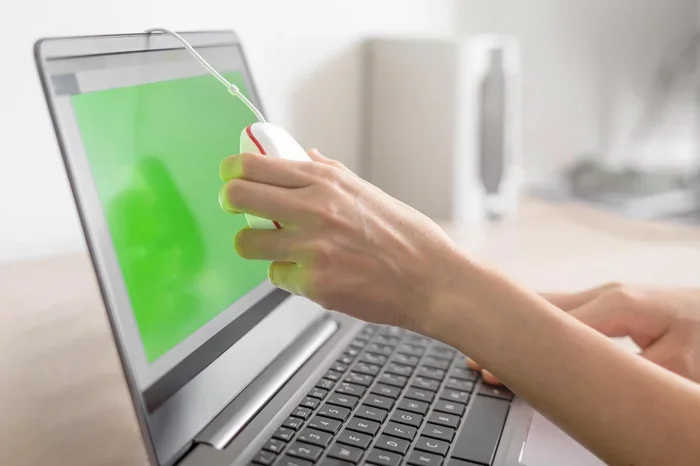
Learning how to check if laptop screen is original is one of the most valuable skills you can have as a laptop user. Whether you just bought a used device or noticed something off after a repair, this guide walks you through every reliable method to verify your laptop display authenticity. We cover physical inspection, software checks, and expert tips that make it easy to spot a counterfeit or refurbished screen.
Your laptop screen is one of the most important parts of your daily routine. You use it to work, watch movies, browse the web, and stay connected. But what happens when you suspect the laptop display you have is not the real deal? Maybe you bought a secondhand laptop. Perhaps someone replaced your screen after damage. Or you just want to make sure the original laptop screen is still intact. Whatever the reason, knowing how to verify your screen’s authenticity matters a lot.
A fake or low-quality replacement screen can ruin your experience. Colors look washed out. Brightness drops significantly. And in some cases, the screen fails within weeks. This guide gives you practical, easy-to-follow steps to check if your laptop screen is original. You do not need any special skills. Just a few minutes and the right approach.
We will walk you through physical inspection methods, software-based checks, and expert-backed tips. By the end, you will feel confident about whether your display panel is genuine or not. Let us get started.
Key Takeaways
- Check the serial number: Match the screen serial with your laptop model to confirm it is genuine.
- Inspect the build quality: Look for uneven bezels, poor color accuracy, and weak brightness as red flags.
- Use software tools: Free apps and built-in diagnostics can reveal if your display panel matches the original specs.
- Test for backlight issues: Dead zones or excessive bleeding often signal a non-OEM replacement screen.
- Compare with official specs: Always cross-check resolution, refresh rate, and panel type with the manufacturer’s website.
- Buy from authorized sellers: This is the single best way to avoid fake or low-quality screens in the first place.
📑 Table of Contents
- Why It Matters: The Importance of an Original Laptop Screen
- Method 1: Check the Screen Serial Number
- Method 2: Perform a Physical Inspection
- Method 3: Use Software and Diagnostic Tools
- Method 4: Verify Through the Manufacturer
- Common Signs Your Laptop Screen Is Not Original
- Expert Tips to Protect Your Laptop Screen
- Frequently Asked Questions
Why It Matters: The Importance of an Original Laptop Screen
Many people overlook screen authenticity until something goes wrong. But the difference between an original laptop screen and a counterfeit one is huge. A genuine display offers true-to-life colors, proper brightness levels, and consistent viewing angles. A fake one often looks decent at first glance but falls apart over time.
Here is why this matters:
- Color accuracy: Original screens display colors exactly as intended by the manufacturer.
- Brightness and contrast: Fake screens often have dim backlights that strain your eyes.
- Longevity: Genuine panels last years. Counterfeit ones may fail in months.
- Warranty coverage: Using a non-OEM screen can void your laptop warranty.
- Resale value: A laptop with an original screen holds its value much better.
If you are planning to buy a used laptop or recently got a screen replacement, taking a few minutes to verify authenticity can save you from headaches down the road. Also, if you are thinking about upgrading your laptop RAM alongside checking the screen, you are taking great steps toward improving overall performance.
Method 1: Check the Screen Serial Number
This is the most reliable way to confirm if your laptop display is original. Every genuine screen comes with a unique serial number printed on the back of the panel. You can cross-reference this number with your laptop manufacturer’s database.
Step-by-Step Process
- Turn off your laptop and flip it over gently.
- Remove the bezel around the screen carefully. Some laptops have clips that pop off easily. Others may need a small screwdriver.
- Locate the serial number on the back of the panel. It is usually printed on a white or silver sticker.
- Note down the model number and serial number exactly as shown.
- Visit your laptop manufacturer’s website and search for the screen model number in their support or parts section.
- Compare the specifications. If the serial number matches and the specs align, your screen is likely original.
If you are not comfortable opening your laptop, you can also check the screen specs through your system settings. This connects to the broader process of checking your laptop hardware details. For instance, you can check your laptop RAM alongside the screen info to build a complete picture of your device’s components.
What to Look For
When you find the serial number, pay attention to these details:
- The font and formatting should match the manufacturer’s standard.
- The serial should not be smudged or poorly printed.
- The model number should match your laptop’s official specifications.
- If the serial number is missing entirely, that is a red flag.
Method 2: Perform a Physical Inspection
Your eyes are powerful tools for spotting a fake screen. An original laptop screen has a polished, professional finish. Counterfeit panels often show subtle (or not-so-subtle) imperfections.
Inspect the Bezel and Build Quality
Look closely at the edges of the screen. An original display fits snugly into the laptop frame with no gaps. The bezel should feel smooth and solid. If you notice uneven spacing, loose fit, or cheap plastic feel, the screen might not be genuine.
Also, check the anti-glare coating. Original screens have a consistent matte finish (on matte models) or a smooth glossy finish (on glossy models). Fake screens often have an uneven coating that looks patchy under direct light.
Examine the Display Quality
Open a pure white image on your screen. Look for these issues:
- Dead pixels: Small black dots that do not change color. A few dead pixels can be normal on any screen, but a cluster is suspicious.
- Backlight bleeding: Light leaking from the edges. Some bleeding is common, but excessive bleeding suggests a low-quality panel.
- Color uniformity: The white should look pure white across the entire screen. Yellow or blue patches indicate a non-OEM panel.
- Viewing angles: Tilt the screen slightly. Original panels maintain color accuracy at wide angles. Fake screens often shift colors quickly.
Test Brightness Levels
Increase the brightness to maximum. An original screen should be evenly lit across the entire surface. If you see dim spots, uneven lighting, or the screen feels significantly dimmer than it should be, the panel may be a replacement or counterfeit. This is one of the easiest laptop screen test methods you can do right now without any tools.
Method 3: Use Software and Diagnostic Tools
Technology gives us powerful ways to verify hardware authenticity. Several free tools and built-in features can help you confirm whether your display panel matches the original specifications.
Check Your Display Through System Settings
On Windows, right-click your desktop and select Display Settings. Look at the resolution and refresh rate. Compare these numbers with your laptop model’s official specifications on the manufacturer’s website. If the resolution is significantly lower than expected, the screen might not be original.
On macOS, click the Apple menu, select About This Mac, and then click System Report. Navigate to the Displays section. Here you will find detailed information about your laptop display, including the panel type and serial number.
Use Third-Party Diagnostic Tools
Several free tools can run a thorough check on your screen:
- Monitor Asset Manager: This tool reads detailed display data including the EDID (Extended Display Identification Data), which contains the panel’s true specifications.
- Dead Pixel Buddy: This tool tests for dead or stuck pixels across the entire screen surface.
- Lagom LCD Test: A free online tool that checks color accuracy, contrast, and uniformity.
These tools are especially helpful when you want to double-check after a screen replacement. They give you objective data instead of relying only on your eyes.
Cross-Reference with Your Laptop Model
Every laptop model supports specific screen panels. For example, a Dell XPS 15 might support only certain AUO or LG display panels. If the screen installed does not match any of the supported panels for your model, that is a strong sign it is not original. You can find the supported panel list on the manufacturer’s service manual or parts page.
For a deeper look at your laptop’s components, you can also check your laptop RAM and other hardware details to ensure everything matches the original configuration.
Method 4: Verify Through the Manufacturer
When in doubt, go directly to the source. Most major laptop manufacturers offer support tools that let you verify your device’s components, including the screen.
Contact Customer Support
Call or chat with the manufacturer’s support team. Provide them with your laptop’s serial number and the screen’s serial number. They can confirm whether the installed panel is original and approved for your model. This method is foolproof and gives you peace of mind.
Use the Manufacturer’s Online Portal
Many brands like HP, Dell, Lenovo, and Apple have online portals where you can enter your laptop’s service tag or serial number. The portal will display the original specifications of your device, including the screen model. Compare the installed screen with the listed specifications.
Check Your Warranty and Service Records
If your laptop is still under warranty, the manufacturer’s records will show whether the screen has been replaced. If it has been replaced with a non-OEM part, it might affect your warranty coverage. This is another reason to verify screen authenticity early.
Common Signs Your Laptop Screen Is Not Original
Sometimes the clues are obvious. Here are the most common signs that your laptop display is not the original one:
- The screen looks noticeably dimmer than when you first bought the laptop.
- Colors appear faded or yellowish compared to other devices of the same model.
- The bezel feels different or does not fit as snugly as it should.
- You see light leakage around the edges, especially in dark rooms.
- The screen model number does not appear in the manufacturer’s supported list for your laptop.
- Touch responsiveness is off (on touchscreen laptops), which often happens with non-OEM panels.
- The warranty has been voided due to an unauthorized screen replacement.
If you notice any of these signs, do not panic. You have options. You can contact a certified service center for verification or request a proper OEM screen replacement. Also, if you are considering upgrading other parts like memory, you might want to explore how to open your laptop RAM compartment and check your overall hardware configuration.
Expert Tips to Protect Your Laptop Screen
Prevention is always better than cure. Here are some expert-backed tips to keep your original laptop screen safe and ensure any future replacements are genuine:
- Always buy replacement screens from authorized dealers. This is the number one way to avoid fakes.
- Keep your purchase receipts. They serve as proof if you ever need to claim warranty or dispute a non-genuine part.
- Ask for the serial number before any repair. Any reputable technician will provide this without hesitation.
- Use a screen protector. A good protector prevents scratches and damage that might lead to unnecessary replacements.
- Regularly clean your screen with a microfiber cloth. Avoid harsh chemicals that can damage the panel coating.
- Check your laptop screen test results periodically. Running a quick pixel and color test every few months helps you catch issues early.
Taking these small steps goes a long way. Your display panel is a significant investment, and protecting it ensures you get the best experience for years to come.
Frequently Asked Questions
Can I check if my laptop screen is original without opening the laptop?
Yes, you can. Start by checking the display settings on your operating system. Compare the resolution, refresh rate, and panel type with your laptop model’s official specifications. You can also use free diagnostic tools like Monitor Asset Manager to read the EDID data. Contacting the manufacturer’s support team with your laptop serial number is another reliable method that does not require opening the device.
What is the difference between an OEM screen and a aftermarket screen?
An OEM (Original Equipment Manufacturer) screen is made by the same company that produced your laptop’s original display. It matches the exact specifications, color calibration, and build quality. An aftermarket screen is produced by a third-party manufacturer. It may look similar but often differs in brightness, color accuracy, and durability. OEM screens are always the better choice for authenticity and performance.
How much does an original laptop screen replacement cost?
The cost varies depending on your laptop brand and model. Standard panels for budget laptops may cost between $50 and $100. High-resolution or specialty screens for premium laptops can range from $150 to $400 or more. Always go through authorized service centers to ensure you receive a genuine panel. If you are also thinking about upgrading other components like memory, you can learn how to increase RAM for your laptop at the same time.
Do fake laptop screens have dead pixels?
Fake or low-quality screens often have more dead or stuck pixels than genuine ones. However, dead pixels alone do not prove a screen is fake. Even original screens can have a few dead pixels straight out of the box. The key is to look for patterns: clusters of dead pixels, uneven brightness, color distortion, and poor build quality together suggest a non-original panel.
Can a non-original screen damage my laptop?
A non-original screen is unlikely to damage your laptop directly. However, it can cause compatibility issues, inconsistent display performance, and may void your warranty. In rare cases, poor-quality screens can draw more power, leading to faster battery drain. Always verify screen authenticity before approving any replacement service.
How can I find my laptop screen model number?
You can find the screen model number by opening your laptop and looking at the sticker on the back of the panel. Alternatively, check your laptop’s service manual, which lists the original screen model. You can also use diagnostic software like Monitor Asset Manager to read the panel information directly from your system. For more help checking your laptop’s overall hardware, you can check the RAM of your laptop using similar methods.