Power Bass 6.5 Speakers
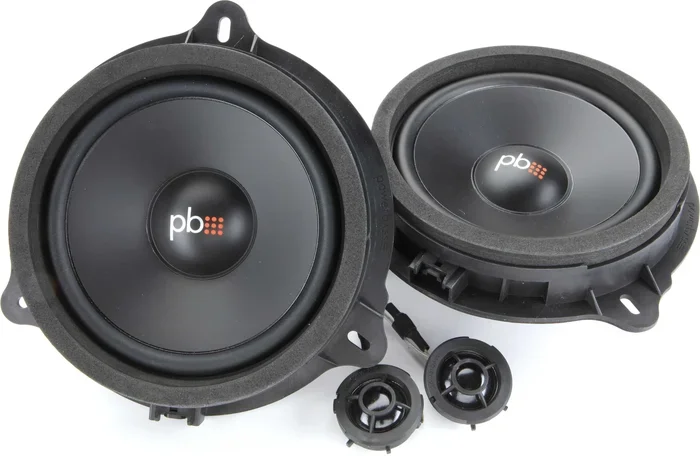
If you want deep, punchy sound, power bass 6.5 speakers are a fantastic upgrade for your vehicle or boat. These 6.5-inch speakers deliver strong low-end performance without taking up too much space. In this guide, we will explore the best options, key features to look for, and how to install them for maximum impact.
Key Takeaways
- Size Matters: 6.5-inch speakers fit most factory locations and offer a great balance of sound quality and bass.
- Power Handling: Look for speakers with high RMS power ratings to handle heavy bass without distortion.
- Sensitivity Counts: Higher sensitivity means louder sound with less power, which is great for stock head units.
- Marine vs. Car: Choose marine-grade speakers if you need waterproof durability for boats or motorcycles.
- Component vs. Coaxial: Component speakers offer better sound staging, while coaxial designs are easier to install.
- Enclosure Impact: Proper speaker enclosures can significantly enhance bass response and overall performance.
- Brand Reputation: Trusted brands like Polk, Alpine, and JL Audio often deliver consistent quality and durability.
📑 Table of Contents
Why Choose Power Bass 6.5 Speakers?
Upgrading your audio system can change how you enjoy music. Power bass 6.5 speakers are a popular choice for many reasons. They fit well in most cars, trucks, and even some boats. The 6.5-inch size is a sweet spot for sound. You get clear mids and satisfying lows without needing a massive setup.
Many people want more thump in their music. Stock speakers often lack the power to deliver deep bass. Aftermarket options fix this problem. They use better materials and stronger magnets. This means less distortion at higher volumes. You can turn up the music and still hear every drum beat clearly.
These speakers also work well with different types of audio systems. You can pair them with a simple head unit or a dedicated amplifier. The versatility makes them a smart buy. Whether you listen to hip-hop, rock, or electronic music, good bass makes the experience better. It fills the cabin with sound that feels alive.
Understanding Speaker Sizes
Speaker sizes can be confusing. The 6.5-inch label refers to the diameter of the cone. However, actual dimensions vary slightly between brands. It is important to check fitment before buying. Most vehicles have standard cutouts for this size. This makes installation easier for DIYers.
Smaller speakers, like 5.25-inch models, might not move as much air. Larger speakers, like 6×8-inch models, need more space. The 6.5-inch format offers a practical compromise. You get enough surface area for bass production. Yet, they still fit in standard door panels. This balance is why they are so common in the aftermarket.
If you are looking for specific setups, you might also explore 6 5 speakers 2 way options. These can provide distinct separation between drivers for clearer audio.
The Role of Enclosures
The box or mounting location affects sound too. A speaker mounted in a door panel behaves differently than one in a custom box. Enclosures control how the speaker moves air. Sealed boxes give tight bass. Ported boxes give louder, deeper bass.
For car doors, the cavity acts like a rough enclosure. Sound deadening material can help improve performance. It reduces vibrations and noise. This lets the power bass 6.5 speakers focus on music. If you install speakers in the rear deck, consider a subwoofer box for extra low end.
Some enthusiasts even look into 4X10 Speakers With Good Bass for larger vehicles. But for most daily drivers, 6.5-inch speakers are sufficient. They provide the foundation for a great soundstage.
Top Features to Look For
Not all speakers are created equal. You need to check specific specs to ensure you get good bass. Power handling is a key number. It tells you how much energy the speaker can take. Look for RMS ratings rather than peak power. RMS shows continuous power handling.

Visual guide about power bass 6.5 car speakers
Image source: caraudiosecurity.com
Sensitivity is another important factor. It measures how efficiently the speaker uses power. Higher sensitivity means louder sound with less input. This is crucial if you do not plan to add an amplifier. If you have a powerful amp, you can prioritize other features.
Construction materials matter too. Polypropylene cones are common. They are durable and move well. Silk or rubber surrounds offer better flexibility. This helps the speaker produce lower frequencies accurately. Heavy magnets often indicate better motor strength. This improves control over the cone.
Impedance and Compatibility
Impedance is measured in ohms. Most car speakers are 4 ohms. Some are 2 ohms or 8 ohms. You must match this with your amplifier. Mismatched impedance can damage equipment. It can also reduce sound quality. If you are unsure, check your head unit or amp manual.
There are resources available to help you understand this better. For example, you can read about 8 Ohm 6 5 Speakers to see how different ratings affect performance. Generally, stick to 4 ohms for standard setups. It is the safest bet for most systems.
Waterproof and Weather Resistance
If you install speakers in a boat or motorcycle, weather resistance is vital. Standard car speakers can fail in humid or wet environments. Marine speakers use corrosion-resistant materials. They often have sealed connections. This protects them from salt water and rain.
For motorcycle users, specialized options exist. You can check out 6 5 Waterproof Motorcycle Speakers for durable choices. Even if you use them in a car, waterproof features add longevity. They protect against humidity and spills. This is especially useful in convertibles or tropical climates.
Best Brands for Deep Bass
Several brands are known for producing strong bass speakers. Polk Audio is a favorite among car audio enthusiasts. They offer robust designs and clear sound. Their marine line is also very popular. You can explore 6 5 Marine Speakers Polk for water-ready options.
JL Audio is another top contender. They are famous for high-performance audio. Their marine speakers are built to last. If you want premium quality, look at Jl Audio 6 5 Marine Speakers. These units handle harsh conditions well while delivering punchy lows.
Alpine provides great component and coaxial options. Their speakers often have high sensitivity. This makes them easy to drive. You might consider 6 5 Component Speakers Alpine for a custom sound setup. Component speakers allow you to place tweeters separately. This improves imaging and staging.
Comparing Coaxial and Component Designs
Coaxial speakers have all drivers in one frame. This includes the woofer and tweeter. They are easier to install. You only need one cutout. This makes them ideal for simple upgrades. Many power bass 6.5 speakers come in coaxial designs.
Component speakers separate the tweeter from the woofer. This allows for better placement. You can aim the high frequencies at the listeners. This creates a more immersive sound. However, installation is more complex. You need to run separate wires. For bass-focused listening, coaxial might be enough. But for audiophiles, components are worth the effort.
Some users prefer three-way designs for more driver separation. You can learn more about 3 Way 6 5 Speakers to understand the benefits. More drivers can mean better frequency distribution. But complexity increases with each added component.
Specialized Options for Different Vehicles
Different vehicles have different needs. Motorcycles require compact, durable speakers. Marine environments need corrosion resistance. Cars offer more flexibility for enclosure choices. It helps to choose a speaker designed for your specific use case.
For motorcycle enthusiasts, there are dedicated guides available. Check out 6 5 Speakers For Motorcycle setups for specific recommendations. These speakers handle vibration and weather better. They ensure your music survives the ride.
If you are interested in specific brands like Cerwin Vega, you can read about Cerwin Vega 6 5 Speakers. Each brand has its own sound signature. Some are brighter, while others are warmer. Listen to demos if possible before buying.
Installation Tips for Maximum Bass
Installing speakers correctly makes a big difference. Poor installation can ruin good equipment. Start by removing the old speakers. Clean the mounting surface. Ensure there is no debris or rust. A clean surface helps the new speaker seal better.
Use quality wiring. Thin wires can resist power flow. This reduces performance. Connect the positive and negative terminals correctly. Reversing them causes phase issues. This cancels out bass frequencies. Double-check your connections before sealing everything up.
Secure the speakers firmly. Loose speakers vibrate and rattle. This creates noise and distorts sound. Use the provided mounting brackets or adapters. If the fitment is loose, add foam tape or sealant. A tight seal ensures the speaker moves air efficiently.
Using Amplifiers Effectively
An amplifier provides clean power. It allows speakers to reach their full potential. Stock head units often lack strong output. An amp fixes this limitation. It gives you more control over volume and tone.
When matching an amp to your power bass 6.5 speakers, check the power ratings. The amp should deliver power within the speaker’s RMS range. Too little power causes clipping. Too much power can blow the speaker. Aim for a balanced match.
You might also need to consider channel configuration. If you are running multiple speakers, check 6 Speakers 4 Channel Amp setups for wiring ideas. Proper wiring ensures each speaker gets the right amount of power. This maintains balance across the system.
Sound Deadening and Tuning
Sound deadening material reduces road noise. It also stops panel vibrations. This makes the bass sound tighter. Apply damping material to the door skins. Focus on the area behind the speaker. This creates a better listening environment.
After installation, tune your system. Set the gains on your amplifier correctly. Use a multimeter or oscilloscope if possible. Avoid setting levels too high. Distortion damages speakers over time. Take your time to find the sweet spot.
Some people experiment with crossover settings. This filters out frequencies the speaker cannot handle. High-pass filters protect the woofer from deep subs. Low-pass filters protect tweeters from bass. Proper tuning extends the life of your equipment.
Marine and Outdoor Applications
Using speakers outdoors requires extra care. Sunlight, water, and salt can destroy electronics. Marine speakers are built for these conditions. They use UV-resistant materials. The grilles are often sturdy to protect the cones.
Bass performance in open spaces is challenging. Sound dissipates quickly outside. You need speakers that can move enough air. Power bass 6.5 speakers designed for marine use often have stronger motors. This helps project sound over distance.
If you enjoy water sports, you might like 6 5 Marine Speakers Led options. Some models include lights for night riding. This adds style and visibility. Just ensure the lights do not interfere with audio quality.
Durability in Harsh Environments
Corrosion is the enemy of marine audio. Stainless steel hardware prevents rust. Covered connections keep water out. Look for IP ratings if available. Higher ratings mean better protection. This ensures your music lasts through many seasons.
Motorcycle riders face similar challenges. Wind and rain test the equipment. You can find specific reviews like 6 5 Motorcycle Speakers With Good Bass to find rugged options. These speakers stay secure at high speeds. They deliver sound even with wind noise.
For those comparing sizes, 5.25-inch speakers are also an option for smaller spaces. You can read about 5 25 Marine Speakers With Good Bass to see if they fit your needs. Sometimes smaller speakers allow for more placement flexibility on tight decks.
Maintenance and Longevity
Taking care of your speakers extends their life. Keep them clean. Dust and dirt can accumulate on the cones. Use a soft brush to remove debris. Avoid using liquids directly on the speakers. Even waterproof models have limits.
Check connections periodically. Vibration can loosen wires over time. Tighten terminals if needed. Inspect the wiring for wear. Replace damaged sections immediately. This prevents short circuits and sound dropouts.
Store removable speakers properly. If you take them off for winter, keep them in a dry place. Avoid stacking heavy items on top of them. This protects the cones from deformation. Proper storage ensures they are ready for the next season.
Troubleshooting Common Issues
If your bass sounds weak, check the phase. Ensure wires are connected correctly. Listen for cancellation effects. If one speaker pushes while the other pulls, bass disappears. Correcting polarity often fixes this instantly.
Distortion at high volume usually means clipping. Lower the gain on your amplifier. Ensure the power match is correct. If the speaker is underpowered, it might struggle. Upgrading the amp might be necessary for heavier bass demands.
Rattles and buzzes often come from loose panels. Tighten door cards or dash components. Add damping material to reduce resonance. Sometimes the speaker itself is damaged. Inspect the surround for tears. Replace damaged units to restore sound quality.
Final Thoughts on Upgrading
Upgrading to power bass 6.5 speakers is a rewarding project. It improves daily commutes and weekend trips. The right speakers bring music to life. You feel the rhythm instead of just hearing it. Take your time to choose the right model.
Consider your specific needs. Do you need waterproofing? Do you have an amplifier? What is your budget? Answering these questions helps narrow down choices. There are many great options available for cars, boats, and bikes.
Enjoy the process. Installing audio gear is fun. Listening to the results is even better. With the right setup, you will have a system that stands out. Your music deserves to sound its best.
Frequently Asked Questions
What size speakers are 6.5 inches?
6.5-inch speakers refer to the diameter of the main woofer cone. They are a standard size that fits most car doors and many marine locations. Always check the specific cutout dimensions before purchasing to ensure a proper fit.
Can I install power bass 6.5 speakers without an amplifier?
Yes, you can install them without an amplifier if your head unit has enough power. However, an external amplifier will provide cleaner power and better bass control. Look for speakers with high sensitivity if you plan to skip the amp.
Are marine speakers better for cars?
Marine speakers are built to resist water and corrosion, making them very durable. They work well in cars, especially in humid climates or convertibles. However, they might be more expensive than standard car speakers without offering better sound quality indoors.
What is the difference between coaxial and component speakers?
Coaxial speakers have all drivers in one frame, making them easier to install. Component speakers separate the tweeters and woofers for better sound staging and imaging. Coaxial is great for simplicity, while components are better for custom audio setups.
How do I know if my speakers are blown?
Signs of blown speakers include distorted sound, rattling noises, or a lack of bass response. You might also see visible tears in the speaker cone or surround. Testing with a low volume can help you identify if the issue is mechanical or electrical.
Do waterproof speakers sound different than regular ones?
Waterproof speakers use sealed designs and corrosion-resistant materials. This can sometimes affect the sound slightly compared to open-air car speakers. However, modern technology minimizes these differences, and the durability benefit often outweighs minor audio variations.