2tb Nvme Ssd Price June 2026

2TB NVMe SSD prices in June 2026 range from around $120 for budget Gen4 models to $350+ for cutting-edge Gen5 drives. This guide breaks down current pricing, top brands, and the best strategies to get the most value for your high-speed storage upgrade.
Key Takeaways
- Gen4 vs Gen5 pricing gap: PCIe Gen4 2TB NVMe SSDs average $120–$200, while Gen5 models start around $300–$350 due to newer technology.
- Top brands matter: Samsung, Crucial, WD, and Kingston consistently offer the best balance of performance, endurance, and warranty coverage.
- Timing your purchase: Mid-year sales events and new product launches often create opportunities for significant savings on 2TB storage drives.
- Form factor considerations: M.2 2280 remains the most common internal SSD form factor, but compatibility varies by system.
- Performance features to watch: DRAM cache, sequential read speeds, and endurance ratings directly impact real-world performance and longevity.
- Avoid common pitfalls: Overlooking thermal management and warranty terms can lead to disappointing results with your solid state drive investment.
📑 Table of Contents
- 2TB NVMe SSD Price June 2026: A Complete Buying Guide
- What Drives 2TB NVMe SSD Prices in June 2026
- Top Brands and Models to Consider in June 2026
- NVMe Gen4 vs Gen5: Which Is Worth the Money
- How to Find the Best Deals on 2TB NVMe SSDs
- Common Mistakes When Buying a 2TB NVMe SSD
- Expert Tips for Getting the Most Value from Your 2TB NVMe SSD
- Conclusion
2TB NVMe SSD Price June 2026: A Complete Buying Guide
Storage costs have come a long way in just a few years. What once seemed impossibly expensive is now within reach for everyday users and professionals alike. If you are shopping for a 2TB NVMe SSD right now, June 2026 brings some interesting options to the table. Prices have stabilized, newer technologies are hitting the market, and there is real competition between brands fighting for your attention.
Whether you are building a new PC, upgrading a laptop, or simply need massive 2TB storage for creative work and gaming, this guide has you covered. We will walk through current pricing, compare the latest technologies, and help you avoid costly mistakes. Let us dive in and find the best NVMe SSD deals available this month.
What Drives 2TB NVMe SSD Prices in June 2026
NAND Flash Memory Costs
The biggest factor behind any solid state drive price is the cost of NAND flash memory. In 2026, the NAND market has mostly stabilized after years of wild swings. Supply chains are healthier, and manufacturers are producing chips more efficiently. This means prices for 2TB storage drives have become more predictable and, in many cases, more affordable.
PCIe Generation Impact
The PCIe generation of your NVMe SSD makes a huge difference in pricing. PCIe Gen4 drives are now mature and widely available, which pushes prices down. PCIe Gen5 models are still relatively new, so they command a premium. Think of it like buying a current smartphone versus last year model. Both work great, but the newer one costs more.
Brand Reputation and Warranty
You also pay for trust and support. Top brands like Samsung, Crucial, and WD charge a bit more because they back their drives with strong SSD warranty coverage and proven endurance ratings. A cheaper no-name drive might save you money upfront but leave you vulnerable if something goes wrong. Always consider the long-term cost, not just the sticker price.
Top Brands and Models to Consider in June 2026
Not all 2TB NVMe SSD options are created equal. Here are some of the best models available right now and what makes them stand out. If you want deeper reviews on specific products, check out our Crucial T705 2TB PCIe Gen5 NVMe M.2 SSD review for a detailed look at one of the top Gen5 options on the market.
Best Budget Pick: Kingston NV2 1TB and 2TB Models
The Kingston line offers solid performance without breaking the bank. These drives use efficient NAND and deliver reliable sequential read speeds for everyday tasks. They are perfect if you want affordable 2TB storage for general use, gaming, or office work. For more details, see our Kingston NV2 1TB NVMe SSD analysis as a reference point for the 2TB variant.
Best Overall Performance: Samsung 970 EVO Plus and Successors
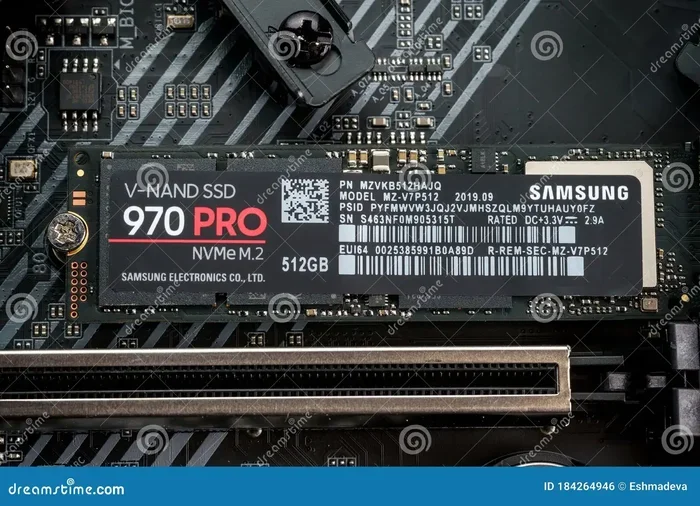
Samsung continues to lead the internal SSD market with top-tier read and write speeds. Their drives feature excellent DRAM cache and outstanding endurance ratings. If you need the fastest high-speed storage for video editing or heavy gaming, Samsung should be at the top of your list. The Samsung 970 EVO Plus 1TB remains a strong reference point, with the 2TB models scaling that same performance upward.
Best Value Gen5: Crucial T705
The Crucial T705 brings PCIe Gen5 speed to a more accessible price point. It delivers blazing fast transfers and comes with a solid SSD warranty. This is currently one of the most compelling options if you want future-proof 2TB storage without paying the absolute premium that other Gen5 drives demand. For those considering larger setups, our 4TB NVMe M.2 SSD pricing guide can also help you plan capacity for the future.
Best for Gaming: WD Black and Corsair MP600
Gaming focused drives from WD and Corsair prioritize sustained performance under heavy loads. The Corsair MP600 Core XT is a strong option that combines speed with a compact design. These drives handle large game files and open-world worlds with ease. You can read more about the Corsair option in our Corsair MP600 Core XT M.2 NVMe SSD breakdown.
NVMe Gen4 vs Gen5: Which Is Worth the Money
This is the biggest question facing buyers in June 2026. The short answer is: it depends on what you do with your computer. Let us break it down plainly.
Understanding the Speed Difference
PCIe Gen4 NVMe SSD drives typically max out around 7,000 MB/s sequential read. PCIe Gen5 drives can hit 14,000 MB/s or more. That is twice the bandwidth. But here is the thing most people miss. You rarely notice that difference in daily use. Loading a game, copying files, or opening apps feels fast on either generation. The real advantage of Gen5 shows up in professional workloads like video rendering, large dataset transfers, and 4K video editing.
Price Comparison Table
Here is a realistic look at what you can expect to pay in June 2026:
| Category | PCIe Gen4 2TB | PCIe Gen5 2TB |
|---|---|---|
| Budget Models | $120 – $150 | $280 – $320 |
| Mid-Range Models | $150 – $200 | $320 – $380 |
| Premium Models | $200 – $250 | $380 – $450+ |
As you can see, the storage pricing gap is significant. Gen5 drives cost roughly double. For most users, a Gen4 drive delivers more than enough speed. If you are a professional who needs every last megabyte per second, the Gen5 premium makes sense. For everyone else, Gen4 is the smart buy.
Power Efficiency and Heat
Gen5 drives draw more power and run hotter. This means they need better cooling in your system. Many Gen5 models come with heatsinks, but you should still check thermal throttling behavior. Gen4 drives tend to run cooler and use less power, which is a nice bonus for laptop users who care about power efficiency.
How to Find the Best Deals on 2TB NVMe SSDs
Getting a great price on a 2TB NVMe SSD takes a little strategy. Here are practical tips that actually work in June 2026.
1. Watch for Seasonal Sales Events
Mid-year sales from major retailers often bring SSD deals that undercut regular pricing. Amazon Prime Day, Best Buy sales, and Newegg promotions can knock $20–$50 off popular models. Set price alerts and check frequently. Even in June, early summer promotions may already be underway.
2. Compare Across Multiple Retailers
Do not just check one store. Prices vary widely between Amazon, Best Buy, B&H Photo, and direct from manufacturers. Some retailers offer instant rebates or bundle deals that make the effective price lower than what the sticker shows. Spending ten minutes comparing can save you real money on your 2TB storage purchase.
3. Consider Refurbished or Open Box Options
Many NVMe SSD returns are basically brand new. They were never installed or used. Open box and refurbished options from trusted sellers can save you 20–30%. Just make sure the seller offers a warranty on these products. A sealed internal SSD that has never been powered on is perfectly fine.
4. Think About Future Capacity Needs
If you are on the fence between 1TB and 2TB, it is usually worth going for the larger drive now rather than upgrading later. Prices for 2TB storage are more favorable than ever, and the cost difference between 1TB and 2TB models has narrowed. You can also look at our 1TB M.2 NVMe SSD pricing to understand the value jump you get by stepping up to 2TB.
Common Mistakes When Buying a 2TB NVMe SSD
Ignoring System Compatibility
Not every computer supports NVMe M.2 drives. Older systems might only have SATA slots. Before buying, confirm that your motherboard or laptop has an M.2 slot that supports NVMe. Check whether it supports PCIe Gen4 or Gen5. Buying a Gen5 drive for a Gen4 slot works but limits the speed you actually get.
Overlooking Endurance Ratings
Endurance rating tells you how much data you can write to the drive over its lifetime. For most users, this is not a concern. But if you do heavy video editing or run servers, you need a drive with a high TBW (terabytes written) rating. Skipping this detail can lead to premature drive failure in demanding workloads.
Skipping the Heatsink Decision
Many motherboards come with built-in M.2 heatsinks. If yours does not, and you are buying a high-performance drive, consider adding one. Thermal throttling can slow down your solid state drive during extended heavy use. A simple heatsink or even a small M.2 external NVMe enclosure for desktop use can solve this problem effectively.
Forgetting to Check the Warranty
Warranty length and coverage matter. Top brands typically offer 5-year warranties on consumer NVMe SSD products. Some budget brands only offer 2 or 3 years. When something fails, a strong warranty means a free replacement. Do not skip this step. It is one of the most important parts of getting real value for your money.
Expert Tips for Getting the Most Value from Your 2TB NVMe SSD
Enable NVMe in Your System Settings
Some systems default to SATA mode even when an NVMe drive is installed. Go into your BIOS or operating system settings and make sure NVMe is enabled. This simple step unlocks the full read/write speeds your drive is capable of. It takes five minutes but makes a massive difference.
Keep Your Drive Firmware Updated
Manufacturers release firmware updates that improve performance, fix bugs, and sometimes even boost SSD performance. Check the brand’s website or their software utility periodically. Updates are usually free and easy to apply.
Use the Right Benchmark Tools
If you want to verify that your high-speed storage is performing as advertised, use CrystalDiskMark or AS SSD Benchmark. These free tools test sequential read and write speeds so you can confirm you are getting what you paid for. It is also a great way to spot potential problems early.
Plan Your Storage Layout
Use your 2TB NVMe SSD as a primary drive for your operating system and frequently used apps. Consider pairing it with a larger HDD or SATA SSD for mass storage. This hybrid approach gives you speed where you need it and capacity where you want it. It is a smart, cost-effective setup that many professionals and gamers use successfully.
Conclusion
2TB NVMe SSD prices in June 2026 are more competitive than ever. Whether you choose a budget Gen4 model at around $130 or a top-tier Gen5 drive pushing $400, you are getting incredible value compared to just a few years ago. The key is matching the right drive to your actual needs. Most users will be perfectly happy with a solid Gen4 NVMe SSD that delivers fast sequential read speeds, reliable endurance, and a strong SSD warranty.
Take your time, compare prices across retailers, and double-check system compatibility before buying. Avoid the common mistakes we covered, and you will end up with a high-speed storage solution that serves you well for years to come. The technology is ready, the prices are right, and the selection is broad. Now is a great time to upgrade to a 2TB NVMe SSD. Make the move and enjoy the speed and capacity that modern storage has to offer.
Frequently Asked Questions
What is the average price of a 2TB NVMe SSD in June 2026?
The average price for a 2TB NVMe SSD in June 2026 ranges from about $120 for budget Gen4 models to $350 or more for premium Gen5 drives. Mid-range options typically fall between $150 and $220 depending on the brand and features.
Is a PCIe Gen5 NVMe SSD worth the extra cost?
Gen5 NVMe SSDs offer roughly double the speed of Gen4 models, but most everyday users will not notice a significant difference. They are worth the extra cost if you do professional video editing, large data transfers, or heavy creative work. For gaming and general use, a Gen4 drive delivers excellent value and performance.
Can I install a 2TB NVMe SSD in an older computer?
Yes, as long as your computer has an M.2 slot that supports NVMe. However, if your system only supports PCIe Gen3, the drive will still work but at reduced speeds. Check your motherboard or laptop specifications before purchasing to ensure full compatibility.
How long should a 2TB NVMe SSD last?
A quality 2TB NVMe SSD from a reputable brand should last 5 to 10 years under normal use. Most consumer drives come with a 5-year warranty. The endurance rating in TBW (terabytes written) determines actual lifespan, and for typical home or office use, you are unlikely to reach that limit.
What is the difference between an internal NVMe SSD and an external NVMe enclosure?
An internal NVMe SSD installs directly inside your computer via the M.2 slot, giving you the fastest possible speeds. An external NVMe enclosure connects via USB and lets you use an NVMe drive outside the computer. Speeds are slower over USB but still much faster than traditional external hard drives. If you need portable high-speed storage, an external NVMe enclosure is a great solution.
Are 2TB NVMe SSD prices expected to drop further later in 2026?
Prices are likely to continue trending downward as manufacturing improves and newer models replace current ones. Gen4 2TB drives could drop another $10 to $30 by late 2026. Keeping an eye on seasonal sales and new product launches is the best way to catch the lowest prices.