8 Gig Ddr3 Laptop Ram
8 gig DDR3 laptop RAM is a popular and affordable memory upgrade that can breathe new life into older laptops. It offers enough speed and capacity for everyday tasks like browsing, streaming, and light multitasking. This guide covers everything you need to know, from compatibility to installation tips.
If your laptop feels slow when you open multiple browser tabs or run a few apps at once, it might be time to upgrade your memory. 8 gig DDR3 laptop RAM is one of the most common upgrades you can make. It’s affordable, widely available, and easy to install. In this guide, we will walk you through everything you need to know about DDR3 memory, why 8GB is a great choice, and how to get the most out of your upgrade.
Whether you use your laptop for work, school, or entertainment, having enough RAM makes a huge difference. Let us dive into the world of DDR3 memory and see why 8 gig DDR3 laptop RAM remains a solid option for many users.
Key Takeaways
- DDR3 RAM is still widely used: Many older and budget laptops still rely on DDR3 memory for solid performance.
- 8GB is a sweet spot: 8 gig DDR3 laptop RAM handles everyday tasks smoothly without breaking the bank.
- Compatibility matters: Always check your laptop’s RAM type, speed, and slot availability before buying.
- Installation is straightforward: You can upgrade your RAM at home with basic tools and a little patience.
- DDR3 has limitations: For heavy tasks like gaming or video editing, you may want to consider newer RAM types.
📑 Table of Contents
- What Is DDR3 Laptop RAM?
- Why Choose 8GB of DDR3 RAM?
- DDR3 vs DDR4: What Is the Difference?
- How to Know If Your Laptop Needs More RAM
- How to Install 8GB DDR3 RAM in Your Laptop
- Common Mistakes to Avoid When Upgrading RAM
- Who Benefits Most from 8GB DDR3 RAM?
- How to Check Your Current RAM and Compatibility
- Final Thoughts on 8GB DDR3 Laptop RAM
What Is DDR3 Laptop RAM?
DDR3 stands for Double Data Rate 3. It is a type of synchronous dynamic random access memory, or SDRAM, used in laptops and desktops. DDR3 came out in 2007 and quickly became the standard for computer memory. It replaced the older DDR2 technology and offered faster speeds and better power efficiency.
The “8 gig” part means the module holds 8 gigabytes of data. This is the capacity of the RAM stick. A single 8 gig DDR3 laptop RAM module can store a good amount of information your laptop needs to access quickly.
How DDR3 RAM Works
DDR3 RAM works by transferring data on both the rising and falling edges of the clock signal. This is called double data rate, and it effectively doubles the speed compared to single data rate memory. DDR3 modules also run at lower voltages than DDR2, which means they generate less heat and use less power.
Here are some key specs of DDR3 RAM:
- Speed: Typically ranges from 800 MHz to 2133 MHz
- Voltage: 1.35V to 1.5V
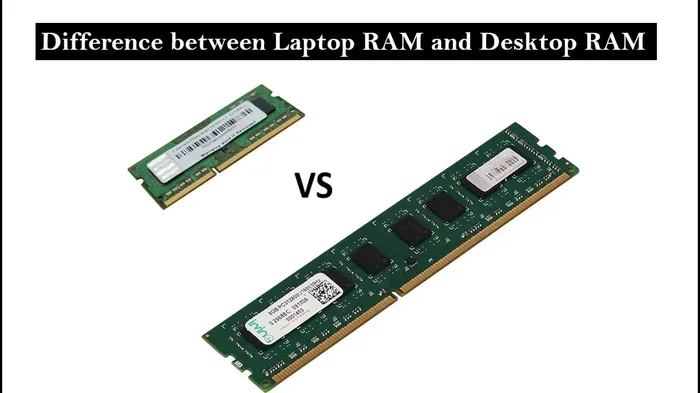
- Form Factor: SODIMM for laptops, DIMM for desktops
- Pin Count: 204 pins for laptop DDR3
When you buy 8 gig DDR3 laptop RAM, you are getting a module that fits into the small memory slot in your laptop. The SODIMM form factor is much smaller than desktop RAM, so it is specifically designed for portable computers.
Why Choose 8GB of DDR3 RAM?
Choosing the right amount of RAM is one of the most important decisions you can make for your laptop. 8 gig DDR3 laptop RAM hits a sweet spot between performance and cost. Let us look at why 8GB is such a popular choice.
Enough for Everyday Tasks
For most everyday computing needs, 8GB of RAM is more than enough. You can browse the web with multiple tabs open, stream videos in HD, use office applications, and even run light photo editing software without any lag. If your main use is email, social media, and light productivity, 8 gig DDR3 laptop RAM will serve you well.
Budget-Friendly Upgrade
One of the biggest advantages of DDR3 RAM is its price. Because this technology has been around for over a decade, DDR3 modules are very affordable. You can often find 8 gig DDR3 laptop RAM for a fraction of the cost of newer DDR4 or DDR5 modules. If you are on a tight budget, this is the most cost-effective way to speed up your laptop.
Wide Compatibility
Many older laptops and budget models still use DDR3 memory. If your laptop was made between 2009 and 2015, there is a good chance it uses DDR3 RAM. This means 8 gig DDR3 laptop RAM is compatible with a huge number of machines. Before you buy anything, always double-check your laptop’s specifications to confirm it uses DDR3.
DDR3 vs DDR4: What Is the Difference?
If you are shopping for laptop RAM, you will likely come across both DDR3 and DDR4 options. Understanding the differences helps you make the right choice. Here is a quick comparison:
| Feature | DDR3 | DDR4 |
|---|---|---|
| Release Year | 2007 | 2014 |
| Speed Range | 800 – 2133 MHz | 2133 – 4800 MHz |
| Voltage | 1.35V – 1.5V | 1.05V – 1.2V |
| Power Efficiency | Good | Better |
| Price | Lower | Higher |
| Compatibility | Older and budget laptops | Newer laptops |
| Max Capacity per Module | Up to 16GB | Up to 32GB |
The key takeaway is that DDR3 is older but still very capable for light to moderate use. DDR4 is faster and more efficient but requires a compatible motherboard. 8 gig DDR3 laptop RAM is perfect if your laptop only supports DDR3. You cannot mix DDR3 and DDR4, so always match your RAM type to your laptop’s requirements.
How to Know If Your Laptop Needs More RAM
Not sure if your laptop would benefit from a memory upgrade? There are several clear signs that your current RAM is holding you back. Watch for these common symptoms:
- Your laptop takes a long time to wake from sleep mode
- Apps freeze or crash when you have multiple windows open
- Your web browser uses a lot of memory with just a few tabs
- You hear the hard drive working overtime (this can be a sign of paging)
- Your 8gb ram laptop windows 11 setup feels sluggish during daily use
If you notice any of these issues, adding 8 gig DDR3 laptop RAM could make a noticeable difference. To check your current RAM, you can open your system settings or use built-in tools. On Windows, simply type “Task Manager” in the search bar and go to the Performance tab. It will show you how much RAM you have and how much you are using.
Another way to check is by going to Control Panel and looking at your system information. This tells you your total installed memory. If you see 4GB or less, an upgrade to 8GB will feel like a major improvement.
How to Install 8GB DDR3 RAM in Your Laptop
Installing RAM in a laptop is one of the easiest upgrades you can do yourself. You do not need to be a tech expert. With a few simple steps, you can have 8 gig DDR3 laptop RAM up and running in minutes.
What You Will Need
- A compatible DDR3 SODIMM module (8GB)
- A small Phillips-head screwdriver
- An anti-static wrist strap (optional but recommended)
- A clean, flat workspace
Step-by-Step Installation
Follow these steps carefully to install your new memory:
- Power off your laptop completely and unplug the charger.
- Remove the battery if it is removable. This prevents any electrical damage.
- Locate the RAM slot on the bottom of your laptop. Check your laptop manual if you are not sure where it is.
- Remove the old RAM by gently pushing the side clips outward. The module will pop up at an angle, then you can pull it out.
- Align the new DDR3 module with the slot. Note the notch on the connector — it must match the slot.
- Insert the module at an angle and press it down firmly until the side clips snap into place.
- Replace the battery and power on your laptop.
- Verify the installation by checking your system settings to confirm 8GB is recognized.
If you are not comfortable opening your laptop, you can also visit a repair shop. Many local computer stores will install RAM for a small fee. For more detailed guidance, check out our article on how to install laptop RAM.
Always handle RAM modules with care. Avoid touching the gold connectors, and hold the module by the edges. Static electricity can damage the components, so consider touching a metal surface before handling the new module.
Common Mistakes to Avoid When Upgrading RAM
Upgrading RAM is simple, but mistakes can happen. Here are some common errors to watch out for:
- Buying the wrong RAM type: DDR3 and DDR4 are not interchangeable. Always confirm your laptop uses DDR3 before purchasing 8 gig DDR3 laptop RAM.
- Ignoring speed matching: Try to match the speed of your new RAM to your existing module. Mixing different speeds can cause compatibility issues.
- Overlooking the maximum capacity: Some older laptops can only support up to 8GB or 16GB total. Check your laptop’s maximum RAM capacity before buying.
- Forcing the module into the slot: If it does not fit easily, you may have the wrong type or orientation. Do not force it — this can damage the slot and the module.
- Skipping the BIOS update: In rare cases, a BIOS update can improve RAM compatibility. Check your laptop manufacturer’s website for updates.
Avoiding these mistakes will save you time, money, and frustration. Take a few minutes to research your laptop model before making a purchase.
Who Benefits Most from 8GB DDR3 RAM?
Not everyone needs the same amount of RAM. Here is a look at who benefits most from 8 gig DDR3 laptop RAM:
- Students: Running research tools, word processors, and video calls simultaneously becomes much smoother with 8GB.
- Office workers: Spreadsheets, email, and presentation software run without slowdowns.
- Casual users: Browsing, streaming, and social media all perform well with 8GB of memory.
- Owners of older laptops: If you have an older machine that cannot support DDR4, DDR3 is your best upgrade path.
If you want to learn more about what makes good RAM for a laptop, check out our guide on what is good RAM on a laptop.
Keep in mind that 8GB may not be enough for very demanding tasks. If you do heavy video editing, 3D rendering, or modern gaming, you may want to look at higher-capacity options or newer RAM types. But for everyday use, 8 gig DDR3 laptop RAM delivers excellent value.
How to Check Your Current RAM and Compatibility
Before you buy any RAM, it is essential to confirm what your laptop currently has and what it can support. Here are some simple ways to check:
- Use the built-in System Information tool: On Windows, search for “System Information” and look for “Installed Physical Memory (RAM).”
- Use a third-party tool: Programs like CPU-Z can scan your laptop and tell you exactly what type of RAM you have, its speed, and how many slots are available.
- Check your laptop manual: The manufacturer’s website usually lists the maximum RAM capacity and supported RAM type for your model.
- Use online RAM scanners: Some websites offer free tools that analyze your system and recommend compatible RAM upgrades.
Knowing your laptop’s specifications ensures you buy the right 8 gig DDR3 laptop RAM the first time. There is nothing worse than ordering RAM that does not fit or work with your system.
For more information on how much RAM you actually need, visit our how much RAM for laptop guide. It covers everything from basic use to heavy workloads.
Final Thoughts on 8GB DDR3 Laptop RAM
8 gig DDR3 laptop RAM remains a reliable and affordable upgrade for users with older or budget laptops. It provides enough memory for everyday tasks, improves multitasking, and can significantly speed up a sluggish machine. While newer RAM technologies like DDR4 and DDR5 offer better performance, DDR3 is still a perfectly valid choice for many users.
The key is to make sure your laptop supports DDR3 before you buy. Check your laptop’s specifications, confirm the number of available slots, and choose a quality module from a reputable brand. With the right 8 gig DDR3 laptop RAM, you can give your laptop a new lease on life without spending a fortune.
If you are running Windows 11 with 8GB of RAM, you will find that the operating system runs much more smoothly than with 4GB. Windows 11 does require more memory than older versions, so having 8GB ensures you have enough headroom for updates and background processes. Learn more in our article on 8GB RAM laptop Windows 11.
Upgrade with confidence, enjoy a faster laptop, and get more done every day. 8 gig DDR3 laptop RAM is a simple change that makes a real difference.
Frequently Asked Questions
Is 8GB DDR3 RAM enough for a laptop in 2024?
For most everyday tasks like browsing, streaming, and office work, 8GB DDR3 RAM is still sufficient in 2024. However, if you plan to do heavy gaming, video editing, or run modern resource-intensive software, you may find it limiting. It remains a solid choice for budget and older laptops.
Can I mix 8GB DDR3 RAM with other RAM modules?
You can mix DDR3 modules, but it is best to match the same speed, size, and brand for optimal performance. Mixing different speeds may cause the system to run at the slowest module’s speed. Always check your laptop’s maximum supported capacity before adding more RAM.
How do I know if my laptop uses DDR3 RAM?
You can check by opening Task Manager on Windows and going to the Performance tab. It will show your RAM type. You can also use tools like CPU-Z or check your laptop manual on the manufacturer’s website. Most laptops made before 2016 use DDR3.
What is the difference between DDR3 and DDR3L RAM?
DDR3L stands for DDR3 Low Voltage. It operates at 1.35V instead of the standard 1.5V. DDR3L is more power-efficient and generates less heat. Many modern DDR3 laptops support both standard DDR3 and DDR3L, but always check your laptop’s compatibility before purchasing.
How much does 8GB DDR3 laptop RAM cost?
Because DDR3 is an older technology, 8GB modules are very affordable. You can typically find them for under $20 to $40 depending on the brand and speed. This makes it one of the most budget-friendly upgrades you can do for your laptop.
Will upgrading to 8GB DDR3 RAM improve my laptop speed?
Yes, upgrading to 8 gig DDR3 laptop RAM can significantly improve your laptop’s speed, especially if you currently have 4GB or less. You will notice faster app loading, smoother multitasking, and fewer freezes when running multiple programs at once.