Are Braided Usb C Cables Better
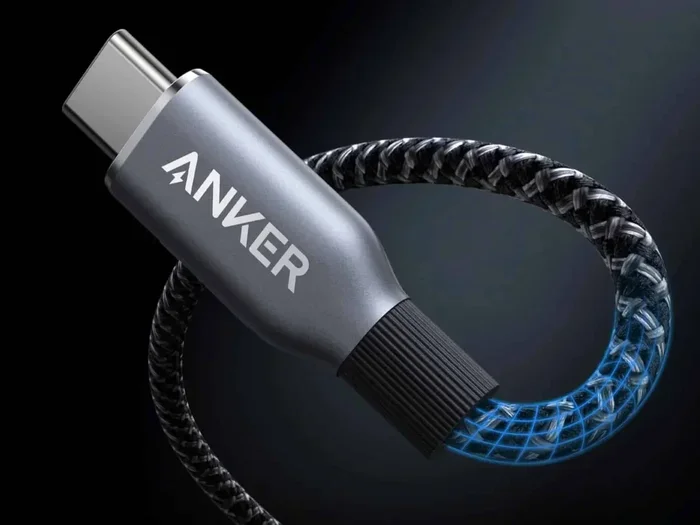
Braided USB C cables offer superior durability, tangle resistance, and a premium feel compared to standard rubber cables. They are built to last longer and handle daily wear and tear much better. If you want a reliable USB C charging cable that survives real life, braided options are worth considering.
Have you ever grabbed your USB C charging cable only to find it frayed or split open? It is one of the most frustrating things in daily tech use. You plug it in, and suddenly there is a exposed wire or the cable barely stays connected. This common problem has made many people ask a simple question: are braided USB C cables better?
The short answer is yes, in most cases. Braided cables are built with a woven nylon exterior that protects the inner wires from damage. They feel stronger, look nicer, and tend to last much longer than standard rubber or plastic cables. In this guide, we will break down everything you need to know about braided USB C cables. We will cover durability, speed, price, and how to pick the right one for your needs.
Key Takeaways
- Durability: Braided USB C cables resist fraying and bending damage far better than standard cables.
- Tangle-Free: The woven nylon exterior keeps cables neat and easy to store.
- Speed Matters: Braided cables support the same fast data transfer and charging speeds as regular USB C cables.
- Value: They may cost more upfront but save money by lasting longer.
- Not All Are Equal: Look for USB C power delivery ratings and certified cables for best results.
- Best For: Heavy daily users, travelers, and anyone tired of replacing frayed cables.
📑 Table of Contents
- What Makes Braided USB C Cables Different
- Durability and Lifespan
- Performance and Speed
- Braided vs Regular USB C Cables
- When Braided USB C Cables Are Worth It
- How to Choose the Best Braided USB C Cable
- Common Mistakes People Make with USB C Cables
- Expert Insights on Braided USB C Cables
- Final Thoughts
What Makes Braided USB C Cables Different
Not all USB C cables are created equal. The outer layer of a cable plays a big role in how long it lasts and how it feels in your hand. Standard cables usually have a rubber or plastic jacket. Braided cables use interwoven nylon fibers that wrap around the interior wires. This simple change makes a huge difference in how the cable handles daily use.
Here is what sets braided cables apart:
- Woven nylon exterior: This outer layer is much tougher than rubber or plastic.
- Reinforced connectors: Many braided cables have strain relief at the ends where the cable meets the plug.
- Flexible yet sturdy: They bend easily but resist breaking under pressure.
- Tangle-resistant design: The braided texture helps prevent knots and tangles in your bag or drawer.
The braided design also gives the cable a premium look and feel. It does not look or feel cheap. When you compare a braided cable side by side with a standard one, the difference is obvious right away.
Why the Outer Layer Matters
The outer jacket of any cable is its first line of defense. It takes the most abuse during daily use. Rubber cables can crack, peel, and split after just a few months of regular use. Nylon braiding, on the other hand, holds up much better against friction, bending, and pulling. This is the main reason why braided USB C cables tend to outlast standard options.
If you carry cables in a bag, toss them in a backpack, or use them at a desk all day, the outer layer takes a beating. A braided cable handles all of this with much less wear and tear.
Durability and Lifespan
Durability is the number one reason people choose braided cables. And for good reason. A durable USB cable saves you money and hassle over time. Let us look at how braided cables hold up compared to standard options.
Most standard rubber cables start to show wear after two to three months of daily use. The outer layer cracks, the cable bends at odd angles, and eventually the inner wires break. Braided cables can last six months to a year or more, depending on how heavily you use them.
Here are some key durability factors to consider:
- Bend resistance: Braided cables handle repeated bending without breaking down.
- Friction tolerance: The nylon weave resists rubbing against surfaces.
- Strain relief: The connection points are usually reinforced to prevent pulling damage.
- Tear resistance: Nylon braiding is much harder to tear than rubber or plastic.
One thing to keep in mind is that no cable lasts forever. Even the best braided USB C cable will eventually wear out. But the lifespan is significantly longer than what you get with a basic rubber cable.
If you want to learn more about how USB C connections work, check out our guide on M 2 Nvme Ssd Usb for a deeper look at USB connectivity and how it powers modern devices.
Performance and Speed
Many people worry that a braided outer layer might affect the cable’s performance. The good news is that it does not. Braided USB C cables support the same high-speed USB C data transfer and fast charging as any other quality cable. The braided exterior is just a protective layer. It does not change what happens inside the cable.
Here is what you need to know about speed and performance:
- Data transfer: Braided cables handle USB 3.0 and USB 3.1 speeds without any issues.
- Fast charging: Look for cables that support USB C power delivery for the fastest charging speeds.
- Bandwidth: The braided layer does not limit bandwidth or signal quality.
- Heat management: Nylon braiding can actually help dissipate heat slightly better than rubber.
The real speed of a cable depends on its internal wiring and the USB standard it supports, not its outer jacket. A well-made braided cable with USB 3.1 internals will transfer data just as fast as a non-braided cable with the same internals. So you do not have to sacrifice speed for durability.
For a deeper look at USB C performance and how it compares to other connection types, you might want to read our article on NVMe SSD to USB Adapter to understand how USB connectivity impacts real-world speed.
USB C Power Delivery and Braided Cables
USB C power delivery is a big deal for anyone who charges laptops, tablets, or phones with a single cable. The good news is that braided cables fully support USB C power delivery standards. You can find braided cables rated for 60W, 100W, or even higher power delivery. The braided exterior does not interfere with power transfer at all.
When shopping for a braided cable, always check the power delivery rating. This tells you how much wattage the cable can safely handle. A higher wattage rating means faster charging for compatible devices.
Braided vs Regular USB C Cables
Let us put the two types side by side. This comparison helps you understand exactly what you get with each option.
| Feature | Braided USB C Cable | Standard Rubber Cable |
|---|---|---|
| Durability | High | Low to Medium |
| Tangle Resistance | Excellent | Poor |
| Lifespan | 6-12+ months | 2-4 months |
| Speed Performance | Same as standard | Standard |
| Price | Slightly higher | Lower upfront cost |
| Flexibility | High | Medium |
| Fray Resistance | Excellent | Poor |
| Premium Feel | Yes | No |
As you can see, braided cables win in almost every durability and feel category. The main advantage of a standard cable is the lower price tag. But when you factor in how often you need to replace a flimsy rubber cable, the cost difference shrinks fast.
A braided vs regular cable comparison shows that the long-term value of braided cables is much better. You pay a little more upfront but replace them far less often.
When Braided USB C Cables Are Worth It
Not everyone needs a braided cable. But for many people, the benefits are clear. Here are some situations where a braided USB C cable is a smart choice:
- Daily heavy use: If you charge your device multiple times a day, a braided cable handles the wear much better.
- Travel: Tossed in a bag or pocket, braided cables resist tangling and damage on the go.
- Desk setups: A cable that stays plugged in all day benefits from the extra durability of braiding.
- Families and shared use: Cables get abused more when multiple people use them. Braiding adds protection.
- Outdoor or rugged use: If you use your devices in tough environments, braided cables hold up better.
If you use USB C accessories regularly, a braided cable is one of the simplest upgrades you can make. It is a small change that pays off over time. For more ideas on USB C accessories, check out our review of best USB Type C headphones to see how USB C connectivity improves your audio experience.
Who Should Skip Braided Cables
There are a few cases where a standard cable might be fine. If you barely use a cable, if it stays in one spot on a desk, or if you go through cables very slowly anyway, a standard rubber cable works. Also, if you are on a very tight budget and only need a cable for a short time, a basic option does the job.
How to Choose the Best Braided USB C Cable
Not all braided cables are the same. Some are excellent and some are mediocre. Here is what to look for when buying a braided USB C cable:
- Check the USB standard: Make sure the cable supports USB 3.0 or USB 3.1 for fast data transfer.
- Look for USB C power delivery support: This ensures the cable can handle fast charging safely.
- Check the braided material: Nylon is the most common and durable option. Some cables use Kevlar fiber for even more strength.
- Gauge matters: Thicker internal wires carry more power. Look for 24 AWG or thicker for fast charging.
- Certification: Certified cables meet safety standards and perform as advertised.
- Length: Choose a length that fits your setup. Six feet is a popular choice for flexibility.
- Connector quality: The metal connectors should feel solid and well-built.
Following these tips helps you avoid cheap cables that look braided but do not deliver on quality. A good braided cable should feel solid, charge fast, and transfer data quickly.
Quick Tips for Extending Cable Life
Even the best braided cable lasts longer with proper care. Here are some quick tips:
- Do not wrap the cable too tightly when storing it.
- Avoid bending the cable at sharp angles near the connectors.
- Unplug by gripping the connector, not pulling the cable itself.
- Keep cables away from heat sources and direct sunlight.
- Use a cable organizer or pouch to prevent tangling and knots.
Common Mistakes People Make with USB C Cables
There are a few mistakes that shorten the life of any USB C cable. Avoiding these habits helps your cable last longer:
- Ignoring the power delivery rating: Using a cable that cannot handle your device’s wattage can cause slow charging or even damage.
- Buying the cheapest option: Ultra-cheap cables often use thin internal wires that degrade fast.
- Coiling cables too tightly: This creates stress on the internal wires and the outer jacket.
- Pulling the cable to unplug it: This damages the connector and the cable joint over time.
- Ignoring fraying early signs: Once a cable starts to fray, it will get worse quickly. Replace it at the first sign of damage.
These mistakes apply to both braided and standard cables. But braided cables give you more time to catch and fix these issues before the cable fails completely.
Expert Insights on Braided USB C Cables
From a tech expert perspective, braided USB C cables represent one of the best value upgrades in the accessories world. They cost a little more than standard cables but deliver noticeably better durability and user experience. The braided design is not just cosmetic, it is functional protection for the delicate internal wires that carry data and power.
Many tech reviewers and professionals recommend braided cables as the default choice for daily use. The slight increase in upfront cost is quickly offset by the longer lifespan. For anyone who uses USB C devices regularly, braided cables are the smart pick.
The cable durability factor alone makes braided USB C cables worth the investment. When you stop replacing frayed cables every few months, you save both money and frustration. That is a win-win situation for any tech user.
Final Thoughts
So, are braided USB C cables better? The evidence says yes. They are more durable, tangle less, feel premium, and last significantly longer than standard rubber cables. They support the same fast data transfer and charging speeds without any trade-offs. The only real downside is a slightly higher price tag, and even that is offset by the longer lifespan.
If you are tired of replacing frayed cables every few months, a braided USB C cable is one of the best upgrades you can make. It is a simple change that makes a big difference in your daily tech routine. Pick a well-certified cable with the right power delivery rating, and you will enjoy a reliable connection for a long time to come.
Your devices deserve a cable that can keep up with your daily life. A braided USB C cable is a small investment that pays off every single day you use it.
Frequently Asked Questions
Do braided USB C cables charge faster than regular cables?
The braided outer layer does not make a cable charge faster. Charging speed depends on the internal wiring and USB C power delivery support. However, a well-made braided cable with proper USB C power delivery ratings will charge just as fast as any quality non-braided cable.
How long do braided USB C cables typically last?
With regular daily use, a good braided USB C cable can last anywhere from six months to over a year. This is significantly longer than standard rubber cables, which often show wear within two to three months. Proper care and storage also play a big role in extending cable lifespan.
Are braided USB C cables worth the extra cost?
Yes, for most users they are worth it. The higher upfront cost is offset by the longer lifespan and better durability. You end up buying fewer replacement cables over time, which saves money in the long run. The tangle-free and premium feel are added bonuses that improve the daily user experience.
Can braided USB C cables handle fast data transfer?
Absolutely. The braided exterior does not limit data transfer speeds. As long as the cable supports USB 3.0 or USB 3.1 standards internally, it will transfer data at the same high speeds as any non-braided cable. Look for cables rated for the USB standard you need.
What is the best material for a braided USB C cable?
Nylon is the most common and reliable braided material. Some premium cables use Kevlar fiber, which offers even greater strength and cut resistance. Both materials provide excellent durability compared to standard rubber or plastic cable jackets. Choose a cable with a certified USB C power delivery rating for the best overall performance.
Can I use a braided USB C cable for my laptop charger?
Yes, as long as the cable supports the correct USB C power delivery wattage for your laptop. Many braided cables are rated for 60W or 100W power delivery, which covers most laptop charging needs. Always check the power delivery rating before using a braided cable for laptop charging to ensure safe and efficient power transfer.