How Do Speakers Use Magnets

Speakers turn electricity into sound by using magnets to move a coil called the voice coil. This motion pushes and pulls the speaker cone, creating pressure waves we hear as music or speech. Understanding the magnet’s role helps you choose, set up, and troubleshoot speakers with confidence.
Key Takeaways
- Magnets create a steady magnetic field: This field interacts with the voice‑coil’s changing current to start motion.
- Voice coil is the heart of the driver: When electricity flows, it becomes an electromagnet that pushes and pulls against the permanent magnet.
- Cone movement produces sound waves: The vibrating cone compresses air, which we perceive as sound.
- Different magnet types affect performance: Ferrite, neodymium, and AlNiCo each bring unique strengths and trade‑offs.
- Proper wiring preserves magnetic efficiency: Incorrect polarity or poor connections can weaken the magnetic interaction.
- Speaker design balances magnet size, coil weight, and enclosure: This balance determines bass response, efficiency, and distortion.
- Troubleshooting tips: Cracking, weak bass, or no sound often trace back to magnet‑related issues.
📑 Table of Contents
- Introduction: Why Magnets Matter in Every Speaker
- 1. The Magnetic Core of a Speaker
- 2. The Voice Coil: The Magnet’s Partner in Crime
- 3. Turning Coil Motion into Sound
- 4. Types of Magnets and Their Impact
- 5. Wiring and Polarity: Keeping the Magnet’s Power Flowing
- 6. Practical Tips for Maximizing Magnetic Performance
- Conclusion: The Magnetic Magic Behind Every Note
Introduction: Why Magnets Matter in Every Speaker
Ever wonder why a tiny speaker in your phone can play crystal‑clear music while a massive home theater system fills a room with booming bass? The secret lies in a simple yet powerful component: the magnet. Magnets are the silent workhorses that turn electrical signals into the vibrations we hear. In this article, we’ll answer the question how do speakers use magnets and break down the science into friendly, bite‑size pieces.
We’ll walk through the magnetic basics, explore the different types of magnets, see how they interact with the voice coil, and give you practical tips for getting the best sound from any speaker. Whether you’re a casual listener, a budding audiophile, or someone fixing a crackling speaker, the information here will make the magnet’s role crystal clear.
1. The Magnetic Core of a Speaker
1.1 What Is a Permanent Magnet?
A permanent magnet is a piece of material that maintains a constant magnetic field without any external power. In speakers, this magnet is usually a block of ferrite, neodymium, or AlNiCo. Its field provides the “static” force that the voice coil pushes against.

Visual guide about How Do Speakers Use Magnets
Image source: nagpurtoday.in
1.2 How the Magnet Creates a Field
Inside the magnet, tiny domains of atoms align, producing a north and south pole. The field lines flow from the north pole, loop around, and re‑enter at the south pole. This invisible field is what the voice coil “feels” when electric current passes through it.
1.3 Magnet Size and Shape Matter
Large, strong magnets (like neodymium) generate a denser field, allowing smaller drivers to move the cone more forcefully. Smaller ferrite magnets are cheaper and work well in budget speakers, but they may need a heavier coil to produce the same output.
2. The Voice Coil: The Magnet’s Partner in Crime
2.1 What Is a Voice Coil?
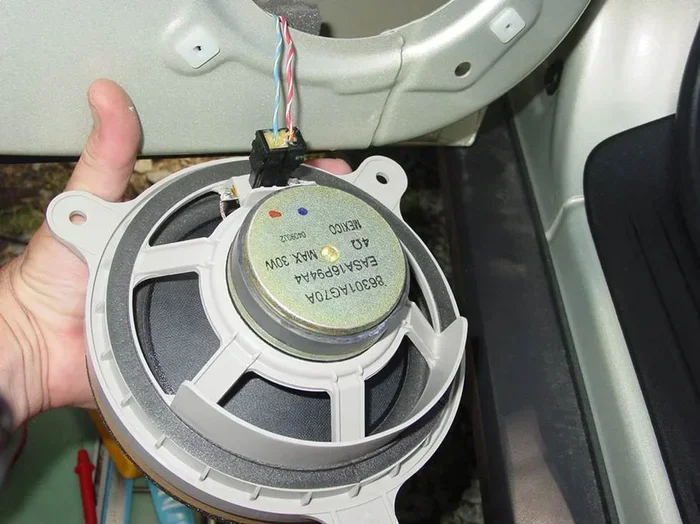
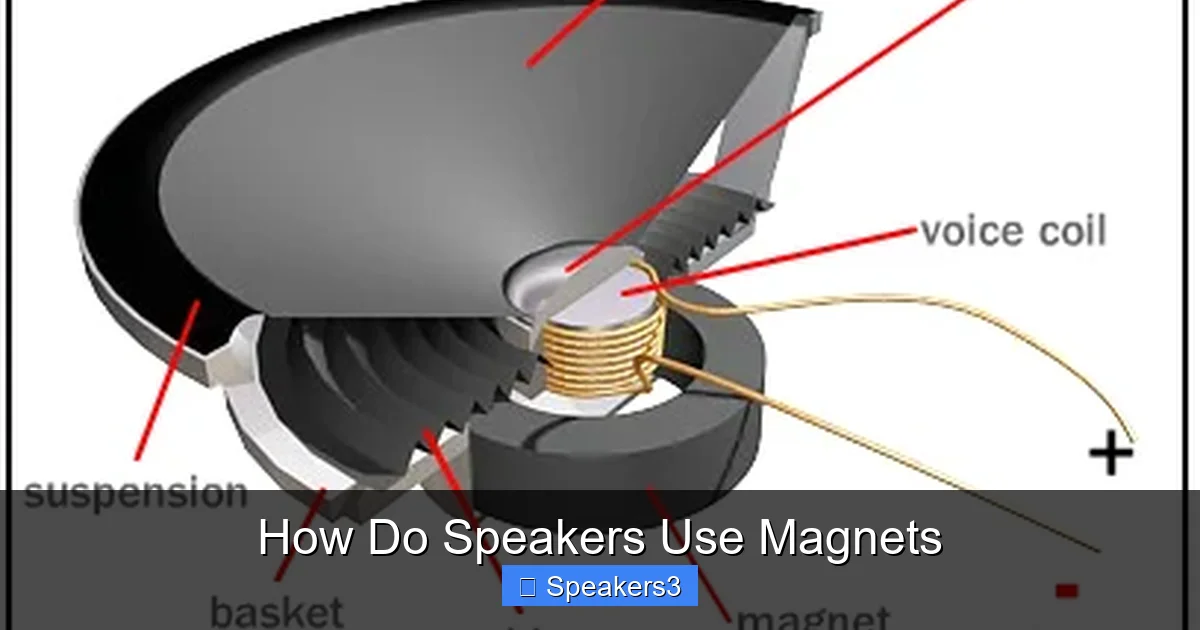
The voice coil is a thin wire (usually copper or aluminum) wound around a cylindrical former. When audio signal voltage reaches the coil, it becomes an electromagnet—its magnetic field changes direction with the audio waveform.

Visual guide about How Do Speakers Use Magnets
Image source: booth.pximg.net
2.2 Interaction Between Coil and Magnet
Because the permanent magnet’s field is constant, the alternating field of the voice coil is either attracted or repelled, depending on the current’s direction. This push‑and‑pull motion makes the coil move back and forth inside the magnetic gap.
2.3 The Role of the Spider and Suspension
The coil is held in place by a flexible spider and a surround that keep it centered while allowing free movement. This suspension ensures the coil follows the magnet’s pull without hitting the magnet housing.
3. Turning Coil Motion into Sound
3.1 The Cone and Its Connection to the Coil
Attached to the voice coil is the speaker cone, usually made of paper, plastic, or carbon fiber. As the coil moves, it drags the cone with it. The cone’s surface pushes against the air, creating pressure waves.
Visual guide about How Do Speakers Use Magnets
Image source: i0.wp.com
3.2 How Pressure Waves Become Audio
When the cone moves forward, it compresses the air in front of it; when it moves backward, it creates a rarefaction. These alternating compressions travel through the air as sound waves, which our ears interpret as music, speech, or effects.
3.3 Frequency Response and Magnet Strength
Strong magnets can move the cone faster, extending the high‑frequency response. Conversely, a larger magnet can provide more force for low‑frequency (bass) movement, especially when paired with a bigger cone and proper enclosure.
4. Types of Magnets and Their Impact
4.1 Ferrite (Ceramic) Magnets
Ferrite magnets are the most common in budget speakers. They are heavy, relatively inexpensive, and have good temperature stability. However, they are not as strong as neodymium, so drivers need larger coils or bigger magnets to achieve the same output.
4.2 Neodymium Magnets
Neodymium is a rare‑earth metal that produces a magnetic field up to ten times stronger than ferrite. This allows manufacturers to make compact, high‑efficiency drivers—perfect for portable Bluetooth speakers and high‑end home audio.
4.3 AlNiCo Magnets
Aluminum‑nickel‑cobalt (AlNiCo) magnets were popular in vintage hi‑fi gear. They have good linearity and low distortion but are heavier and more expensive than ferrite. Some audiophiles still prefer them for their “warm” sound signature.
4.4 Choosing the Right Magnet for Your Needs
If you need a lightweight, portable speaker, neodymium is the clear winner. For a cost‑effective home theater, ferrite works fine. For a classic, warm tone, AlNiCo might be worth the investment.
5. Wiring and Polarity: Keeping the Magnet’s Power Flowing
5.1 Correct Wiring Basics
Speakers have two terminals: positive (+) and negative (–). Connecting them correctly ensures the voice coil receives the correct polarity, so the cone moves in the intended direction for each part of the waveform.
5.2 Common Wiring Mistakes
- Reversing polarity on one speaker in a stereo pair can cause phase cancellation, making bass sound weak.
- Using thin or damaged speaker wire adds resistance, reducing the magnetic interaction and overall volume.
- Improper grounding can introduce hum or crackle—see our guide on Why Do My Speakers Crackle for troubleshooting steps.
5.3 Connecting Speakers to an Amplifier
When wiring to an amp, match the speaker’s impedance (usually 4 Ω or 8 Ω) to the amp’s output rating. Over‑driving a low‑impedance speaker can overheat the magnet and coil, causing distortion or permanent damage.
For a step‑by‑step wiring guide, check out How To Wire Speakers To Amp.
6. Practical Tips for Maximizing Magnetic Performance
6.1 Keep Magnets Clean
Dust and metal shavings can weaken the magnetic field. Gently wipe the magnet housing with a dry cloth; avoid using water or solvents.
6.2 Positioning Matters
Place speakers on sturdy surfaces away from large metal objects that could interfere with the magnetic field. This helps preserve the intended soundstage.
6.3 Upgrade When Needed
If you crave deeper bass, consider a speaker with a larger magnet or a dedicated subwoofer. For clearer highs, look for neodymium drivers that can move the cone faster.
6.4 Match Speakers to Your Room
Room size and acoustics affect how the magnetic output is perceived. In a small bedroom, a compact neodymium speaker may sound perfect, while a living room might benefit from a larger ferrite‑based floor‑standing unit.
6.5 Check for Magnet‑Related Issues
Symptoms like weak output, distorted mids, or no sound at all can indicate a failing magnet or a broken voice coil. If you suspect a problem, inspect the driver for visible cracks or loose parts.
Conclusion: The Magnetic Magic Behind Every Note
Understanding how do speakers use magnets demystifies the technology that fills our lives with music. From the permanent magnet’s steady field to the voice coil’s dynamic push‑and‑pull, the magnetic interaction is the engine that drives every speaker, big or small. By choosing the right magnet type, wiring correctly, and caring for your drivers, you’ll enjoy clearer, richer sound for years to come.
Now that you know the inner workings, you can shop smarter, troubleshoot faster, and appreciate the quiet hero inside every speaker. Happy listening!
Frequently Asked Questions
What role does the magnet play in a speaker?
The magnet creates a constant magnetic field that the voice coil’s changing field pushes against, causing the cone to move and produce sound.
Why do some speakers sound louder than others?
Louder speakers usually have stronger magnets (often neodymium) and larger voice coils, which can move the cone with more force.
Can I replace the magnet in my speaker?
Replacing a magnet is possible but difficult; it requires precise alignment and may void warranties. Most users opt to buy a new driver instead.
How do I know if my speaker’s magnet is failing?
Symptoms include weak bass, distortion, or no sound at all. Inspect the driver for visible damage or test with a known‑good amplifier.
Do magnetic fields from speakers affect other electronics?
Typical speaker magnets are well‑shielded and don’t interfere with nearby devices, but keep strong magnets away from credit cards and magnetic storage.
Is there a difference between magnetic and electromagnetic speakers?
All speakers use a permanent magnet (magnetic) and an electromagnet (the voice coil). The term “electromagnetic speaker” just emphasizes the coil’s role.