Jl Audio 8.8 Marine Speakers
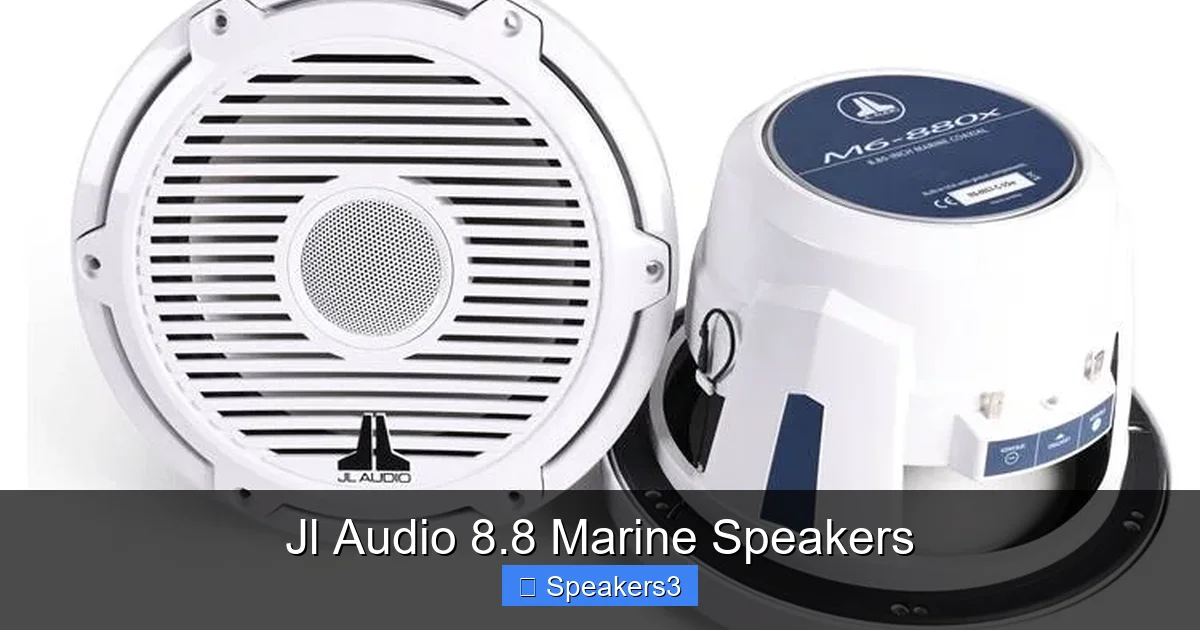
Jl Audio 8.8 Marine Speakers deliver crystal‑clear sound and rugged durability for any water‑bound adventure. Designed with marine‑grade woofers, tweeters, and waterproof enclosures, they handle salt, spray, and vibration without missing a beat. Read on for specs, installation advice, and real‑world performance insights.
Key Takeaways
- Marine‑grade construction: UV‑protected polycarbonate and rust‑free hardware keep the speakers safe in harsh salt‑water environments.
- Power handling: 90 W RMS (180 W peak) gives plenty of headroom for deep bass and clear highs on a boat.
- Easy wiring: 4‑ohm impedance works with most boat amps; series wiring options are covered in our guide.
- Installation flexibility: Brackets allow mounting on decks, bulkheads, and even within custom enclosures.
- Value for money: Competitive price point compared with other marine brands while delivering premium sound.
- Compatibility: Pairs well with JL Audio’s sub‑woofers and amplifiers for a full‑range marine audio system.
- Longevity: UV‑resistant grille and sealed crossover protect electronics for years of use.
📑 Table of Contents
- Introduction: Why Marine Audio Matters
- 1. Design & Build Quality
- 2. Performance Specs You Should Know
- 3. Installation Made Simple
- 4. How the 8.8 Stacks Up Against Competitors
- 5. Pairing with Amplifiers and Sub‑Woofers
- 6. Maintenance and Longevity Tips
- Conclusion: Are Jl Audio 8.8 Marine Speakers Right for You?
Introduction: Why Marine Audio Matters
When you’re out on the water, music isn’t just background noise – it’s part of the experience. Whether you’re cruising a pontoon, fishing on a lake, or racing a powerboat, you want sound that cuts through wind and waves without distortion. That’s where Jl Audio 8.8 Marine Speakers step in. These speakers are built to survive the toughest marine conditions while delivering rich, balanced audio that rivals any land‑based system.
In this article we’ll break down the specs, explain how to install them, compare them to other marine options, and give you practical tips so you can get the most out of your boat’s sound system. By the end, you’ll know if the 8.8 series is the right fit for your vessel and budget.
1. Design & Build Quality
1.1 Marine‑Grade Materials
Jl Audio uses a UV‑protected polycarbonate housing that resists sun‑bleaching and cracking. The metal brackets are stainless steel, which means no rust even after months of exposure to salty sea spray. Inside, the woofers and tweeters are sealed with a water‑tight epoxy that keeps moisture out of the voice coils.
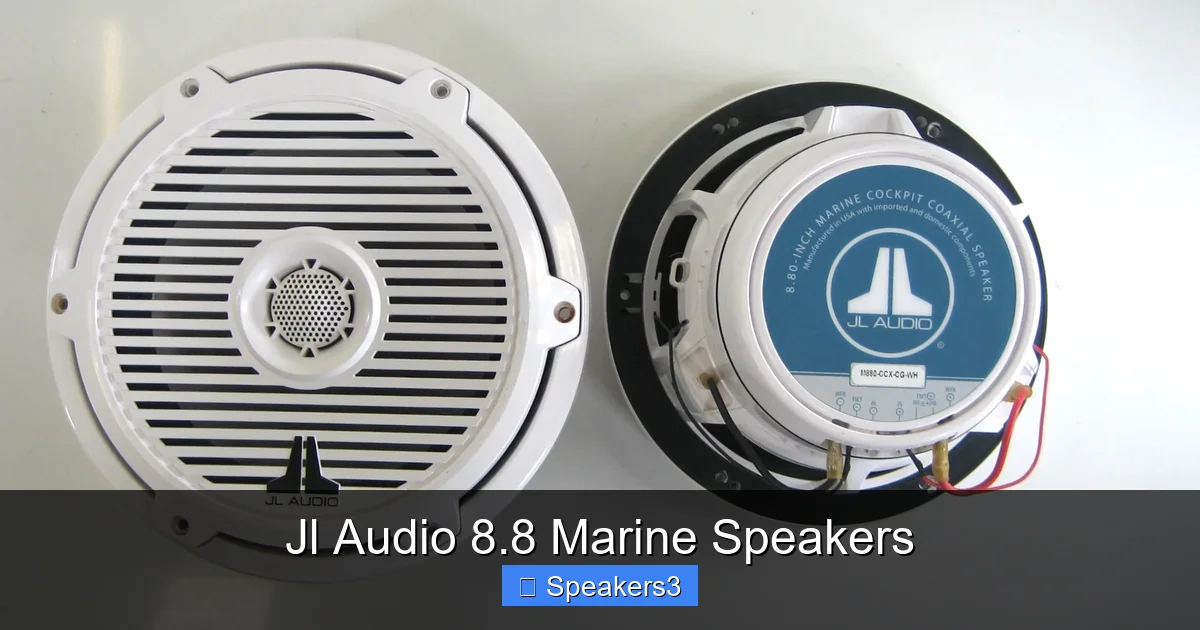
Visual guide about Jl Audio 8.8 Marine Speakers
Image source: media.maxmarineelectronics.com
1.2 Driver Configuration
The 8.8 Marine model features a 6.5‑inch woofer paired with a 1‑inch dome tweeter. This two‑way design provides a smooth frequency response from 45 Hz up to 20 kHz, delivering punchy bass without muddying the mids, and crisp highs for vocal clarity. The crossover is a sealed 2‑way unit, rated for 90 W RMS, which protects the drivers from overload.
1.3 Weather Resistance
All components are sealed against water ingress (IPX7 rating). The grille is made from a corrosion‑resistant mesh that won’t corrode or degrade, and the speaker terminals are gold‑plated to prevent oxidation.
2. Performance Specs You Should Know
2.1 Power Handling
Each speaker handles 90 W RMS and 180 W peak. This means you can pair them with a 200 W‑300 W marine amp and still have plenty of headroom for dynamic peaks, such as a bass drop in a dance track.

Visual guide about Jl Audio 8.8 Marine Speakers
Image source: ygwjg.com
2.2 Sensitivity & Frequency Response
With a sensitivity of 91 dB (1 W/1 m), the 8.8 speakers produce loud sound without demanding a massive amp. The 45 Hz–20 kHz frequency range covers the full audible spectrum, making them suitable for everything from low‑end reggae beats to high‑frequency rock solos.
2.3 Impedance Options
The standard 4‑ohm rating works with most boat amplifiers. If you need to match a 2‑ohm amp, you can wire two speakers in series, a technique explained in detail on our 2 8 Ohm Speakers In Series guide.
3. Installation Made Simple
3.1 Mounting Locations
Jl Audio provides pre‑drilled mounting holes for easy attachment to decks, bulkheads, and custom brackets. For a clean look, many boat owners mount the speakers flush with the deck using the supplied recessed mounting kit.
Visual guide about Jl Audio 8.8 Marine Speakers
Image source: isreform.jp
3.2 Wiring Tips
Use marine‑grade 16‑gauge speaker wire with UV‑resistant jacket. Keep the positive (+) and negative (–) leads separate to avoid ground loops. If you’re adding a sub‑woofer, follow the wiring diagram in the Jl Audio manual or read our How To Wire Speakers To Amp article for step‑by‑step instructions.
3.3 Sealing and Weatherproofing
Even though the speakers are sealed, it’s good practice to run the wire through a waterproof conduit and apply marine silicone sealant around the mounting holes. This extra layer prevents water from seeping into the boat’s interior.
4. How the 8.8 Stacks Up Against Competitors
4.1 vs. JL Audio 6.5 Marine Series
The 6.5 series is a solid entry‑level option, but the 8.8’s larger woofer delivers deeper bass and higher SPL (sound pressure level). If you already own the Jl Audio 6 5 Marine Speakers, upgrading to the 8.8 will give you a noticeable boost in low‑frequency impact.
4.2 vs. Generic Marine Brands
Many off‑brand marine speakers cut corners on waterproofing and use cheap plastic housings. The 8.8’s stainless steel hardware and UV‑protected grille make it last longer, saving you money on replacements.
4.3 Value Considerations
While the price is higher than budget models, the 8.8’s durability means fewer repairs. Plus, the higher sensitivity reduces the need for a massive amplifier, which can offset the initial cost.
5. Pairing with Amplifiers and Sub‑Woofers
5.1 Choosing the Right Amp
Look for a marine amp that delivers at least 100 W RMS per channel at 4 ohms. Popular choices include the JL Audio M600/4 and the Fusion MS‑4. Matching the amp’s power to the speaker’s RMS rating prevents clipping and distortion.
5.2 Adding a Sub‑Woofer
For boat owners who crave thunderous bass, pair the 8.8 speakers with a JL Audio 10W3v3 sub‑woofer. Use a low‑pass crossover set around 80 Hz to keep the sub handling the deep frequencies while the 8.8 handles mids and highs.
5.3 Does Wattage Matter?
Understanding wattage is crucial; you can read more about this in our Does Wattage Matter For Car Speakers article, which also applies to marine setups.
6. Maintenance and Longevity Tips
6.1 Regular Cleaning
Rinse the speakers with fresh water after each outing to remove salt residue. Use a soft brush to clean the grille and check for any cracks.
6.2 Inspecting Seals
Every six months, examine the sealed crossover and driver enclosures for signs of moisture or corrosion. Replace any compromised gaskets with marine silicone.
6.3 Upgrading Over Time
If you later decide to upgrade the amp or add more speakers, keep the wiring gauge consistent and maintain proper impedance matching to avoid overloading the 8.8 units.
Conclusion: Are Jl Audio 8.8 Marine Speakers Right for You?
The Jl Audio 8.8 Marine Speakers strike an impressive balance between rugged durability and high‑fidelity sound. Their marine‑grade construction, generous power handling, and straightforward installation make them a top pick for anyone serious about boat audio. Whether you’re upgrading from the 6.5 series or starting a new system, the 8.8 speakers give you the confidence that your music will sound great, rain or shine.
Investing in quality marine speakers pays off in fewer repairs, longer life, and a richer listening experience on the water. Pair them with a compatible amp, follow our wiring and sealing tips, and you’ll enjoy crystal‑clear sound for many seasons to come.
Frequently Asked Questions
What makes Jl Audio 8.8 speakers suitable for marine use?
The speakers feature UV‑protected polycarbonate housings, stainless‑steel hardware, sealed drivers, and an IPX7 rating, all of which protect against salt, spray, and UV exposure.
Can I wire the 8.8 speakers in series for a 2‑ohm load?
Yes, wiring two 4‑ohm speakers in series creates a 2‑ohm load. See our guide on 2 8 Ohm Speakers In Series for wiring diagrams.
Do I need a special marine amplifier?
While any marine‑rated amp will work, choose one that delivers at least 100 W RMS per channel at 4 ohms to match the 8.8’s power handling.
How often should I clean the speakers?
Rinse with fresh water after each outing and gently brush the grille to remove salt buildup. Inspect seals every six months.
Can I add a sub‑woofer to the system?
Absolutely. Pair the 8.8 speakers with a JL Audio sub‑woofer and set a low‑pass crossover around 80 Hz for deep, controlled bass.
Will the speakers crackle over time?
Proper wiring, secure connections, and avoiding ground loops will prevent crackling. For more troubleshooting tips, read our article on Why Do My Speakers Crackle.