2 Way 3 Way Speakers

Looking for crystal‑clear sound without the jargon? This guide breaks down 2 way and 3 way speakers, explains how they work, and helps you pick the perfect pair for any space. From crossover basics to placement tricks, we’ve got you covered.
Key Takeaways
- Design basics: 2 way speakers use a woofer + tweeter, while 3 way adds a mid‑range driver for smoother mids.
- Crossover role: Proper crossover design (see our 3 Way Crossover guide) ensures each driver handles the right frequencies.
- Room size matters: Smaller rooms often favor 2 way sets; larger spaces can benefit from the extended range of 3 way speakers.
- Budget vs. performance: You can get excellent sound from both designs; the key is matching driver quality to your needs.
- Placement tips: Speaker placement, toe‑in angle, and listening distance dramatically affect perceived clarity.
- Upgrade path: Adding a subwoofer or better amp can boost any system, but start with a well‑balanced 2 or 3 way set.
- Compatibility: Check impedance (e.g., 2 8 Ohm Speakers In Series) to ensure your amp can drive the load safely.
📑 Table of Contents
- Introduction: Why the “Way” Count Matters
- What Is a 2 Way Speaker?
- What Is a 3 Way Speaker?
- Understanding Crossovers: The Heart of the System
- Matching Speakers to Your Amplifier
- Placement and Room Treatment
- Choosing the Right 2 Way or 3 Way Speakers for Your Budget
- Common Mistakes and How to Avoid Them
- Conclusion: Which Way Is Right for You?
Introduction: Why the “Way” Count Matters
When you walk into a store and see rows of speakers labeled “2 way” or “3 way,” it can feel like a secret code. The truth is simpler: the number tells you how many separate drivers are inside each cabinet and how the sound is divided among them. More drivers usually mean a smoother transition between bass, mids, and highs, but it also adds complexity and cost.
In this friendly, step‑by‑step guide we’ll demystify 2 way and 3 way speakers, compare their strengths, and give you practical advice on choosing, placing, and fine‑tuning them. By the end, you’ll know exactly which design fits your music taste, room size, and budget.
What Is a 2 Way Speaker?
Basic Architecture
A 2 way speaker contains two drivers: a woofer for low‑to‑mid frequencies (typically 40 Hz – 2 kHz) and a tweeter for the high end (2 kHz – 20 kHz). A crossover network splits the incoming audio signal, sending bass to the woofer and treble to the tweeter.

Visual guide about 2 Way 3 Way Speakers
Image source: c8.alamy.com
Advantages of 2 Way Designs
- Simplicity: Fewer components mean easier tuning and lower chance of phase issues.
- Cost‑Effective: You often get great sound for less money.
- Compact Size: Ideal for bookshelf or desktop setups.
When to Choose 2 Way Speakers
If you have a small to medium‑sized room, enjoy rock, pop, or electronic music, and prefer a straightforward setup, a 2 way system will likely satisfy you. Pair them with a decent amp and you’ll have a clean, balanced soundstage.
What Is a 3 Way Speaker?
Basic Architecture
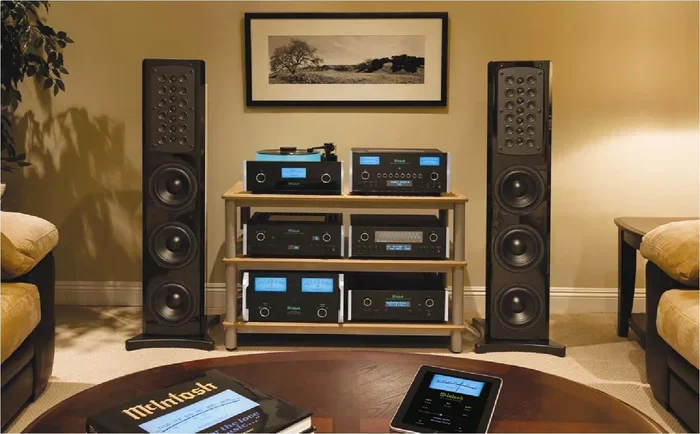
A 3 way speaker adds a dedicated mid‑range driver between the woofer and tweeter. The crossover now has three sections, each sending a tighter frequency band to its respective driver. Typical ranges:

Visual guide about 2 Way 3 Way Speakers
Image source: x0.ifengimg.com
- Woofer: 30 Hz – 500 Hz
- Mid‑range: 500 Hz – 4 kHz
- Tweeter: 4 kHz – 20 kHz
Advantages of 3 Way Designs
- Cleaner mids: Vocals and instruments sit more naturally.
- Reduced distortion: Each driver works within a narrower range.
- Better power handling: The load is spread across three drivers.
When to Choose 3 Way Speakers
Large rooms, home‑theater setups, or critical listening (classical, jazz, acoustic) benefit from the added mid‑range clarity. If you have the space and want a richer, more immersive experience, a 3 way system is worth the investment.
Understanding Crossovers: The Heart of the System
Passive vs. Active Crossovers
Most consumer speakers use passive crossovers built into the cabinet. They consist of capacitors, inductors, and sometimes resistors. For audiophiles, an active 3 way crossover placed before the amp offers more precise control and can be adjusted to match your room’s acoustics.

Visual guide about 2 Way 3 Way Speakers
Image source: img-baofun.zhhainiao.com
Key Parameters to Check
- Crossover frequency: The point where the signal splits; typical 2 way values are 2–3 kHz.
- Slope (dB/octave): Steeper slopes (12 dB/oct) reduce overlap but can be harsher.
- Phase alignment: Proper alignment avoids cancellations at the crossover point.
Practical Tip
When setting up a new pair, start with the manufacturer’s recommended crossover settings, then fine‑tune by ear or with a measurement mic. Small adjustments (±2 dB) can make a big difference.
Matching Speakers to Your Amplifier
Impedance Considerations
Speakers typically present 4 Ω, 6 Ω, or 8 Ω loads. If you plan to wire multiple speakers, you may need to connect them in series or parallel. Our guide on 2 8 Ohm Speakers In Series explains how to keep the total load safe for your amp.
Power Handling
Check both RMS (continuous) and peak power ratings. An amp that delivers 50 W RMS into an 8 Ω load will drive most bookshelf 2 way speakers comfortably, while floor‑standing 3 way models may need 100 W RMS or more for full dynamics.
Connection Tips
- Use high‑quality speaker wire (16‑AWG for most home setups).
- Keep wire runs short to avoid resistance loss.
- Secure connections with banana plugs or spade lugs for a solid contact.
Placement and Room Treatment
Speaker Positioning Basics
Place speakers at ear level, forming an equilateral triangle with your listening spot. Toe‑in the cabinets slightly (5‑10°) to direct the sweet spot toward your ears.
Room Acoustics
Hard surfaces reflect high frequencies, while soft furnishings absorb them. Adding a rug, curtains, or acoustic panels can smooth out harshness, especially for 3 way speakers that reveal more detail.
Practical Example
In a 12 ft × 15 ft living room, I placed two 3 way floor‑standing speakers 6 ft apart, angled 7° inward. Adding a thick rug and a bookshelf behind the left speaker reduced bass boom and improved imaging dramatically.
Choosing the Right 2 Way or 3 Way Speakers for Your Budget
Entry‑Level Picks (Under $300)
- 2 Way: Polk Audio T15 bookshelf – balanced, easy to drive.
- 3 Way: Dayton Audio T652 6‑inch 3‑way tower – great value for home theater.
Mid‑Range Favorites ($300‑$800)
- 2 Way: ELAC Debut 2.0 B6.2 – smooth mids, tight bass.
- 3 Way: Klipsch RP‑600M + RP‑504C + RP‑250FW combo – dynamic and detailed.
High‑End Selections (>$800)
- 2 Way: Bowers & Wilkins 606 S2 – refined, audiophile‑grade.
- 3 Way: KEF Q950 – expansive soundstage with precise imaging.
Upgrade Path
Start with a solid 2 way pair and later add a dedicated subwoofer or upgrade to a 3 way set. Many manufacturers design cabinets that can share the same enclosure, making future upgrades painless.
Common Mistakes and How to Avoid Them
Over‑Powering the Speakers
Driving a small 2 way speaker with a 500 W amp can cause distortion or damage. Match amp power to speaker RMS rating.
Ignoring Crossover Settings
Leaving factory crossovers untouched may work, but fine‑tuning can unlock hidden detail. Use a simple SPL meter or a phone app to check balance.
Bad Placement
Placing speakers too close to walls boosts bass unnaturally, while corner placement can cause muddiness. Aim for 1‑2 ft from side walls and 2‑3 ft from the back wall.
Conclusion: Which Way Is Right for You?
Both 2 way and 3 way speakers have their place. If you value simplicity, space‑saving, and a modest budget, a well‑designed 2 way set will deliver excellent music enjoyment. If you crave richer mids, a larger listening area, or a home‑theater experience, the extra driver in a 3 way speaker pays off.
Remember to pair your speakers with a compatible amp, respect crossover guidelines, and treat your room acoustically. With these steps, you’ll enjoy crystal‑clear sound whether you’re listening to a pop hit or a symphonic masterpiece.
Frequently Asked Questions
What is the main difference between 2 way and 3 way speakers?
2 way speakers have a woofer and a tweeter, while 3 way speakers add a dedicated mid‑range driver, offering smoother mids and often better overall clarity.
Do I need a special amplifier for 3 way speakers?
No special amp is required, but ensure the amp can handle the speaker’s impedance and power rating. A higher‑power amp often complements 3 way systems better.
Can I use a 2 way speaker in a large room?
Yes, but you may need a subwoofer or multiple pairs to fill the space. Placement and room treatment become more critical in larger areas.
How does a crossover affect speaker performance?
The crossover splits the audio signal, sending the correct frequency range to each driver. Proper crossover settings prevent distortion and improve imaging.
Is it better to buy matching speakers for stereo?
Absolutely. Matching pairs ensure consistent frequency response and imaging, giving you a balanced soundstage.
Can I upgrade a 2 way speaker to a 3 way system?
Generally not, because the cabinet and driver mounting are designed for a specific number of drivers. However, you can add a separate mid‑range speaker or subwoofer to enhance the system.