4 Channel Amp for Speakers and Sub
Upgrading your car audio system starts with the right gear. A 4 channel amp for speakers and sub offers the perfect balance of power and flexibility for most vehicles. You can drive your front and rear speakers while powering a subwoofer without cluttering your space. This guide covers wiring, impedance matching, and setup tips to maximize sound quality. Get ready to transform your driving experience with clear highs and deep bass.
Upgrading your car audio system can feel overwhelming. There are so many choices out there. You want better sound, but you do not want to break the bank. A 4 channel amp for speakers and sub is often the sweet spot for enthusiasts. It gives you enough power to drive your main speakers. It also gives you the juice needed for a decent subwoofer.
Many people start with a head unit upgrade. But the real magic happens when you add an external amplifier. Factory radios often lack the power to drive speakers properly. This leads to distortion at high volumes. An external amp solves this problem. It provides clean power. This means clearer vocals and tighter bass.
In this guide, we will walk through everything you need to know. We will look at wiring options. We will discuss impedance matching. We will also cover installation tips. By the end, you will feel confident about your next purchase. Let us dive into the details of building a great sound system.
Key Takeaways
- Power Balance: A 4 channel amp provides dedicated power for front and rear speakers plus a subwoofer channel.
- Wiring Flexibility: You can wire speakers in parallel or series to match impedance loads safely.
- Impedance Matching: Always check ohm ratings to prevent overheating or damaging your amplifier.
- Subwoofer Integration: Use the rear channels bridged or dedicated for a cleaner subwoofer signal.
- Installation Safety: Proper grounding and fuse placement are critical for long-term reliability.
- Sound Quality: External amplification significantly improves clarity over factory head units.
- Budget Efficiency: This setup offers high performance without the cost of a 5 or 6 channel amplifier.
📑 Table of Contents
Understanding the 4 Channel Amp for Speakers and Sub
So, what exactly does this amplifier do? Think of it as a power station for your music. A standard 4 channel amplifier has four distinct outputs. You can use these outputs in different ways. The most common setup involves driving four speakers. But you can also use it for a subwoofer.
When you look for a 4 channel amp for speakers and sub, you need to understand the channels. Typically, channels one and two go to the front speakers. Channels three and four go to the rear speakers. However, you can bridge channels. Bridging combines two channels into one. This creates more power for a subwoofer.
This flexibility is why these amps are so popular. You do not need separate boxes for speakers and subs. Everything fits into one unit. This saves space in your trunk or under a seat. It also simplifies the wiring process. Fewer components mean less chance for connection errors.
Here are the main benefits of this setup:
- Space Saving: One amp replaces multiple units.
- Cost Effective: It is cheaper than buying separate amps.
- Powerful Performance: You get dedicated power for each zone.
- Scalability: You can add more gear later if needed.
Before you buy, check the power ratings. Look at RMS power, not peak power. RMS tells you the continuous power the amp can handle. This is the number that matters for real-world listening. Make sure your speakers can handle that power level.
Wiring Configurations and Options
Wiring is where things get technical. But do not worry. It is simpler than it looks. You have a few main options when setting up your 4 channel amp for speakers and sub. The right choice depends on your speakers and your goals.
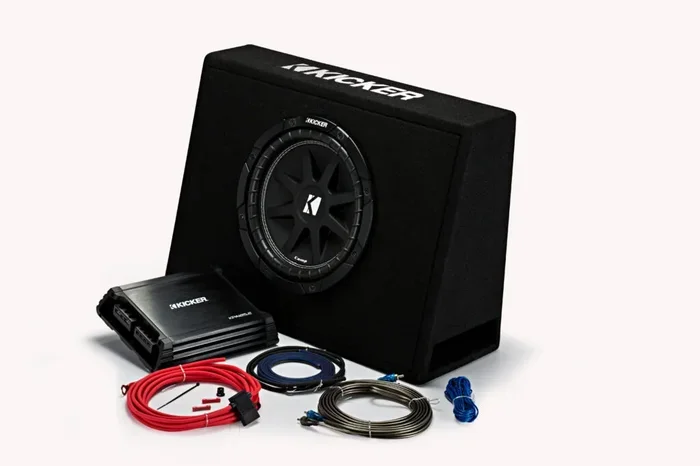
Visual guide about car audio amplifier and subwoofer
Image source: newcastlecaraudio4x4.com.au
Parallel Wiring
Parallel wiring is the most common method. You connect the positive wire from the amp to the positive terminal of the speaker. Then you connect the negative wire to the negative terminal. If you have multiple speakers on one channel, you wire them together.
This lowers the total impedance load. For example, two 4 ohm speakers in parallel create a 2 ohm load. This is great for power. But your amp must support a 2 ohm load. Check the manual before you connect anything. Overloading the amp can cause damage.
Series Wiring
Series wiring is the opposite. You connect the positive of the amp to the positive of the first speaker. Then you connect the negative of the first speaker to the positive of the second speaker. Finally, you connect the negative of the second speaker back to the amp.
This increases the total impedance. Two 4 ohm speakers in series make an 8 ohm load. This is safer for the amp. But you get less power output. This method is useful if your amp is not stable at low impedances.
Bridging for Subwoofers
Bridging is key for your subwoofer. You take two channels and combine them. This creates one powerful channel. Most 4 channel amp for speakers and sub setups use this for the bass. You usually bridge channels three and four.
Make sure your subwoofer impedance matches the bridged output. Bridging changes the minimum impedance requirements. Always read the amplifier label. It will tell you the minimum ohm load for bridged mode. Ignoring this can blow your equipment.
If you need more help with specific wiring setups, you might want to read about how to wire 4 speakers to 2 channel amp configurations. Understanding these basics helps you adapt to different gear.
Impedance Matching and Ohm Loads
Impedance is measured in ohms. It is the resistance your speakers offer to the electrical signal. Matching this correctly is crucial. If the ohms are too low, the amp works too hard. If they are too high, you lose power.
Most car speakers are 4 ohms. Some are 2 ohms. Subwoofers can be 2, 4, or 8 ohms. Your amplifier has a safe range. It might say 4 ohms to 2 ohms. This means you can connect speakers within that range.
Here is a quick comparison of common impedance scenarios:
| Setup | Total Impedance | Amp Stability | Power Output |
|---|---|---|---|
| Single 4 Ohm Speaker | 4 Ohms | Very Safe | Standard |
| Two 4 Ohm Speakers (Parallel) | 2 Ohms | Requires 2 Ohm Stable Amp | Higher |
| Two 4 Ohm Speakers (Series) | 8 Ohms | Very Safe | Lower |
| Bridged Channels (2 Ohms) | 2 Ohms | Check Bridged Specs | Highest |
Why does this matter? Heat is the enemy of electronics. Low impedance draws more current. More current means more heat. If your amp gets too hot, it will shut down. Or worse, it could fail permanently. Always check the difference between 2 and 4 ohm speakers before buying.
If you have 4 ohm speakers, you are usually safe. Most modern amps handle 4 ohms easily. If you want more power, look for a 2 ohm stable amp. This allows you to wire speakers for lower resistance. Just remember to keep your gains set correctly.
Choosing the Right Subwoofer
Your subwoofer is the heart of the low end. It handles the bass frequencies. When pairing a sub with a 4 channel amp for speakers and sub, size matters. A 10-inch sub is a popular choice. It fits well in most cars. A 12-inch sub gives deeper bass. But it needs more space.
Power handling is another factor. Check the RMS rating on the sub. Match this with the RMS output of your amplifier. If the amp is too weak, the sub will not perform. If the amp is too strong, you risk damage. Aim for a close match.
There are also different types of subs. Component subs need a separate box. You build or buy the enclosure yourself. This allows for tuning flexibility. Powered subs have the amp built-in. These are easier to install. But since you are buying an external amp, a component sub makes more sense.
Consider the enclosure type too. A sealed box gives tight, accurate bass. This is great for music like jazz or rock. A ported box gives louder, boomy bass. This is better for hip hop or electronic music. Choose what fits your listening style.
For more details on speaker types, check out the difference between 2 way and 4 way speakers. Knowing your speakers helps you choose the right sub.
Installation Tips and Best Practices
Installing an amplifier takes some work. But you can do it yourself. Safety is the most important thing. Always disconnect the battery before starting. You do not want to short circuit anything.
Start with the power wire. This connects the battery to the amp. Use a thick gauge wire. Thicker wire reduces resistance. It also handles high current better. Install a fuse holder near the battery. This protects your car in case of a fire.
Next, run the ground wire. This connects the amp to the car chassis. Find a bare metal spot. Sand off any paint or rust. A good ground is essential for performance. A bad ground causes noise and weak power.
Then, run the signal wire. This goes from the head unit to the amp. Keep it away from power wires. Crossing them can cause interference. You might hear a whine or buzz. This is called alternator whine. Proper routing prevents this.
Finally, connect the speakers. Use quality speaker wire. 16 gauge is usually fine for speakers. 12 gauge is better for subs. Secure all connections tightly. Loose wires cause crackling sounds.
If you are unsure about wiring multiple speakers, see our guide on 4 speakers on 2 channel amp. It covers similar wiring principles.
Quick Tips for Installation
- Use Wire Loom: Protect your wires from heat and abrasion.
- Label Everything: Mark your wires before you disconnect them.
- Test Before Mounting: Turn on the system before screwing the amp in place.
- Secure the Amp: Use brackets to prevent vibration damage.
Tuning and Gain Setting
Once everything is wired, you need to tune it. This is called setting the gains. Many people think gain is a volume knob. It is not. Gain controls the input sensitivity. It matches the head unit signal to the amp.
If you set the gain too high, you get distortion. This sounds harsh and can blow speakers. If you set it too low, you lose power. You want the sweet spot. Turn the gain all the way down. Play music at a normal volume. Slowly turn up the gain until you hear distortion. Then back it off slightly.
Use a multimeter if you want to be precise. You can measure the voltage output. But your ears are the best tool. Listen for clarity. If the bass sounds muddy, adjust the low pass filter. This cuts off high frequencies from the sub.
Set the high pass filter on your speaker channels. This protects your tweeters. It stops deep bass from going to small speakers. This keeps them safe and sounds cleaner.
Proper tuning ensures you get the most out of your 4 channel amp for speakers and sub. Take your time. Do not rush this step. A well-tuned system sounds better than a powerful untuned one.
Common Mistakes to Avoid
Even experienced installers make mistakes. Here are some common pitfalls to watch out for. Avoiding these will save you time and money.
Ignoring Impedance Loads
As mentioned earlier, impedance matters. Do not connect speakers without checking the ohms. Running an amp below its stable limit is risky. It can overheat and fail.
Poor Grounding
A bad ground causes many issues. Noise, weak power, and shutdowns are common signs. Always find a solid metal connection. Do not ground to painted surfaces.
Overpowering Speakers
More power is not always better. If the amp sends too much power, the voice coil can melt. Match the RMS ratings closely. Leave a little headroom, but do not double the power.
Skipping the Fuse
Never skip the inline fuse. It is your safety net. If the power wire shorts, the fuse blows. This prevents the wire from catching fire. Install it within 18 inches of the battery.
To understand more about power requirements, read about amp for 4 ohm speakers. This helps clarify power needs for common setups.
Expert Insights on Car Audio
We talked to some audio enthusiasts about their experiences. They all agree on one thing. Quality wiring matters more than brand names. Good copper wire conducts electricity better. Cheap wire can corrode over time.
Another insight is about placement. Heat kills amplifiers. Do not hide your amp under a carpet where heat builds up. Mount it in a spot with airflow. Under a seat is common. But make sure it does not get too hot there.
Finally, consider future upgrades. You might want more speakers later. A 4 channel amp for speakers and sub is great now. But a 5 or 6 channel amp gives more options. If you plan to expand, think ahead.
You can learn more about expanding your system in our article on 6 speakers 4 channel amp configurations. Planning ahead saves you from replacing gear later.
Frequently Asked Questions
Can I connect a subwoofer to a 4 channel amp?
Yes, you can connect a subwoofer by bridging two of the channels. This combines the power to drive the bass effectively. Just ensure the impedance matches the bridged output requirements.
What gauge wire do I need for a 4 channel amp?
For most 4 channel amps, 4 gauge power wire is recommended. Speaker wire can be 16 gauge for regular speakers and 12 gauge for subwoofers. Thicker wire ensures better power delivery.
Is a 4 channel amp better than a 2 channel amp?
It depends on your needs. A 4 channel amp offers more flexibility for multiple speakers. A 2 channel amp is simpler and often cheaper. For a system with a sub and speakers, 4 channels are usually better.
How do I know if my amp is 2 ohm stable?
Check the specifications label on the amplifier. It will state the minimum ohm load per channel. If it says 2 ohms stable, you can wire speakers to meet that load safely.
Can I wire 4 speakers and a sub to a 4 channel amp?
Yes, but you must share channels. Typically, you use channels 1 and 2 for front speakers. Then you bridge channels 3 and 4 for the subwoofer. You cannot power all four speakers and a sub independently on separate channels.
Do I need a capacitor for my subwoofer?
A capacitor can help stabilize voltage during heavy bass hits. It is not always necessary for smaller systems. However, if you notice headlight dimming, a capacitor might be beneficial.
=== CONCLUSION ===
Building a great car audio system is rewarding. A 4 channel amp for speakers and sub is a versatile choice. It gives you the power you need without taking up too much space. You can drive your speakers clearly and feel the bass deeply.
Remember to focus on wiring and impedance. These technical details make or break the system. Take your time with installation. Safety first, always. Once you tune the gains correctly, you will hear the difference.
Your music deserves better than factory sound. With the right amp and setup, every drive becomes a concert. Start with the basics, follow the safety tips, and enjoy the upgrade. Your ears will thank you.